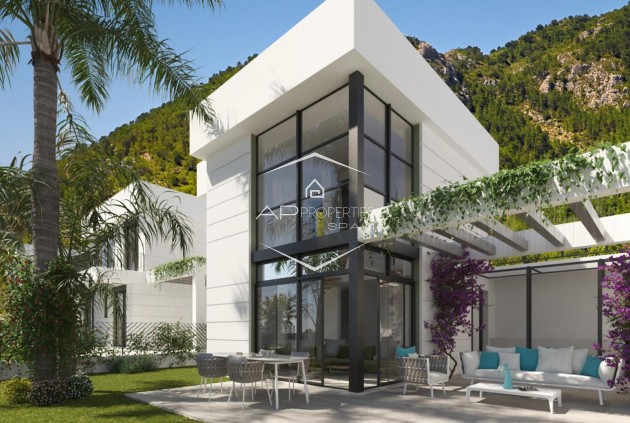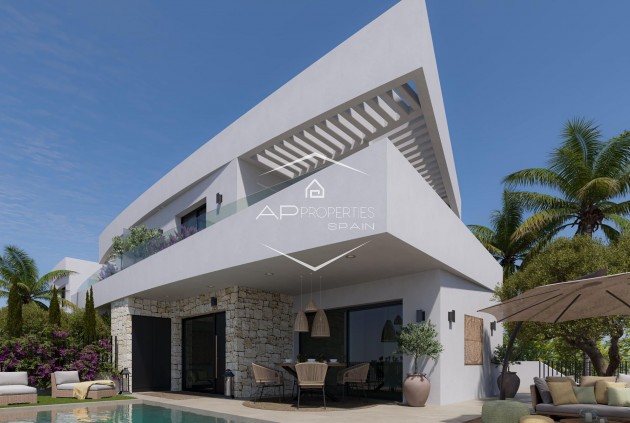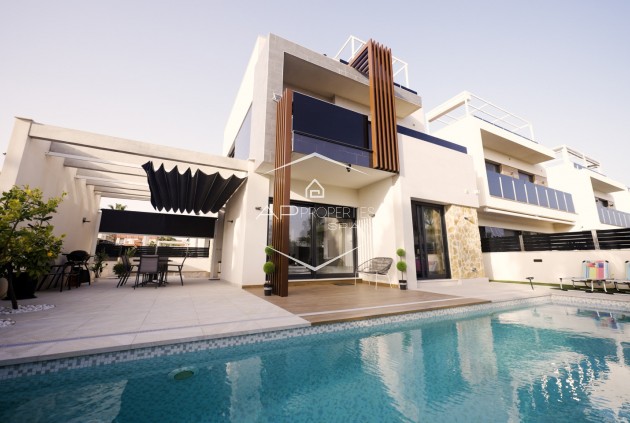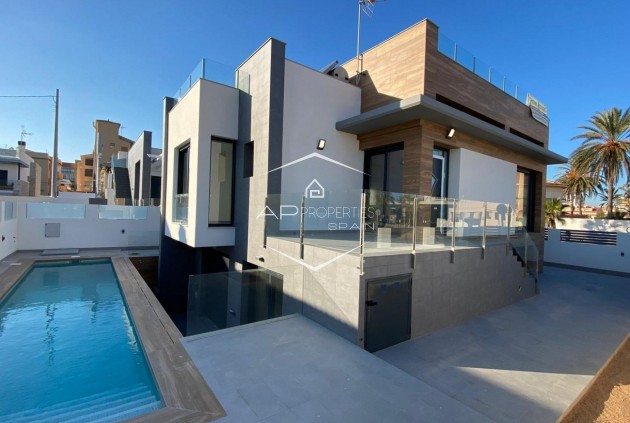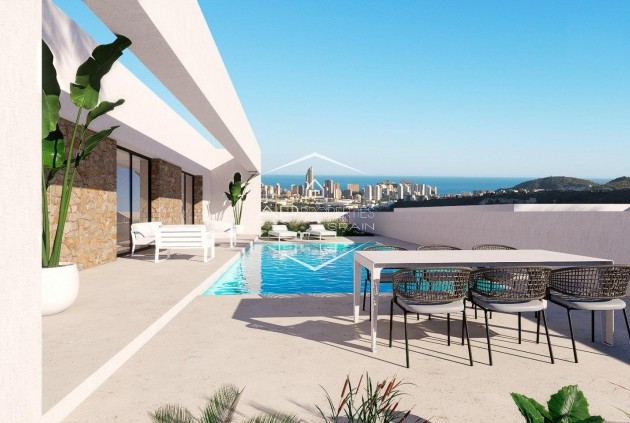






Your Guide to Finding a Villa for Sale in Spain
Owning a villa in Spain is so much more than a simple property transaction; for most, it’s the realisation of a lifelong dream. It’s about making a deliberate shift towards a sun-drenched lifestyle, a smart financial move, and creating your own personal haven on the Mediterranean coast. Think of this guide as your first step in turning that dream into your reality.
Why Buying a Spanish Villa Is a Lifelong Dream
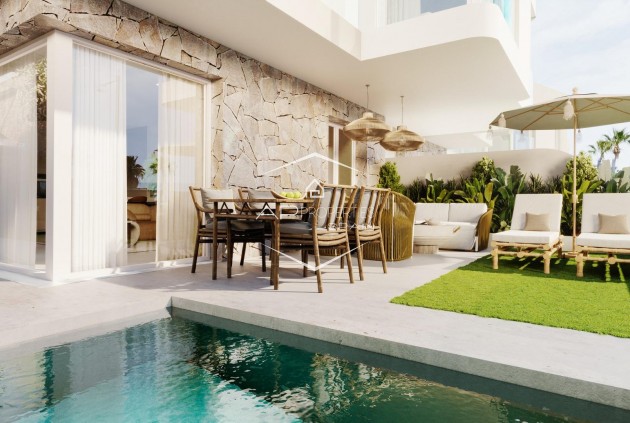
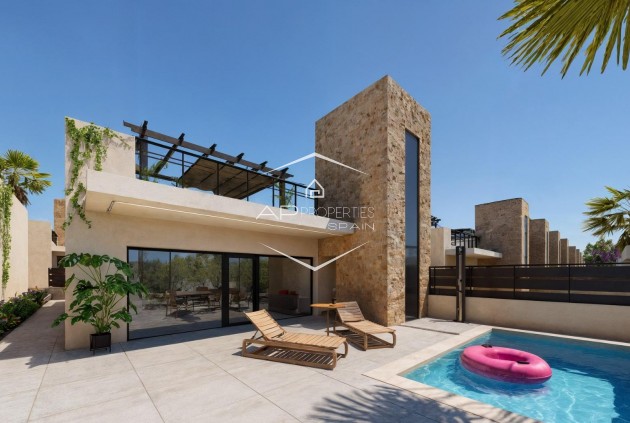
The pull of Spain is timeless, isn't it? It’s that unique blend of vibrant, colourful culture with a beautifully relaxed pace of life. For so many international buyers, the search for a villa for sale in Spain is the start of a whole new chapter—one defined by warm weather, incredible food, and a rich social life. It's the vision of morning coffees on a private terrace overlooking the sea and long, lazy evenings with friends under a canopy of stars.

But it’s not just about the magnetic lifestyle. Owning a Spanish villa is also a sound investment. The Spanish property market, especially in the most desirable coastal regions, has shown incredible resilience and consistent growth over the years. With strong rental demand from holidaymakers and steady appreciation in property values, a villa can be both a personal escape and a valuable financial asset.
Understanding Spain’s Property Hotspots
While the dream of owning a villa is universal, the perfect location is deeply personal. Spain’s vast coastline isn't a one-size-fits-all deal. Each region, or costa, offers a distinct character, price point, and way of life. Getting to grips with these differences is the key to finding your perfect match.
Three of the most sought-after areas for international buyers are:
- Costa Blanca: Famous for its seemingly endless white sandy beaches and a great mix of bustling towns and exclusive, quiet enclaves. It has a well-established infrastructure and a large, welcoming expatriate community.
- Costa Cálida: Known as the "Warm Coast," this area has a unique microclimate and the Mar Menor, a huge saltwater lagoon. It often provides excellent value for money.
- Costa del Sol: The "Sun Coast" is synonymous with glamour, world-class golf courses, and luxurious marinas like Puerto Banús. It's the go-to for those seeking a high-end, cosmopolitan lifestyle.
To make an informed decision, it helps to see how these popular coasts really stack up against each other.
A villa in Spain is not just a building; it’s an anchor for a new way of living. It promises over 300 days of sunshine a year, a healthier outdoor lifestyle, and a fantastic gateway to exploring the rest of Europe.
| Feature | Costa Blanca | Costa Cálida | Costa del Sol |
|---|---|---|---|
| Atmosphere | Vibrant & Diverse | Relaxed & Authentic | Glamorous & Cosmopolitan |
| Property Prices | Mid to High | Lower to Mid | High to Very High |
| Best For | Families & Retirees | Value & Tranquillity | Luxury & Golf |
| Key Attraction | White Sand Beaches | Mar Menor Lagoon | Marbella & Puerto Banús |
Ultimately, choosing where to buy your villa comes down to your personal goals. Are you picturing a quiet retreat for retirement? A lively holiday home for the family? Or a premium investment property in a high-demand area? By aligning your vision with the unique personality of each coast, you can move from a broad search for a villa for sale in Spain to a focused hunt for your perfect home.
Choosing Your Perfect Location on the Spanish Coast
Spain’s incredible coastline stretches for nearly 5,000 kilometres, offering a dizzying variety of landscapes, lifestyles, and communities. Finding the right villa for sale in Spain isn’t about looking everywhere at once; it’s about zooming in on the one region that truly speaks to you.
Think of it like choosing a fine wine. Each coastal area, or costa, has its own distinct flavour and character. To find your perfect match, you need to understand their unique personalities.

Let's move past broad-stroke searches and get to know the coasts most loved by international buyers. Getting this part right is the first major step to narrowing your search from "anywhere in Spain" to a specific town or urbanisation that feels like coming home.
The Costa Blanca: A Tale of Two Coasts
The Costa Blanca is a top destination, but it’s far from uniform. It’s best understood as two very different regions, each with its own vibe.
Costa Blanca North is the more exclusive and ruggedly beautiful of the two.
- Key Towns: Jávea, Moraira, Denia, and Altea.
- The Lifestyle: This area is defined by its dramatic cliffs plunging into the sea, hidden coves (calas), and surprisingly lush, green landscapes. It attracts a discerning crowd looking for a tranquil, upscale life focused on boating, fine dining, and boutique shopping.
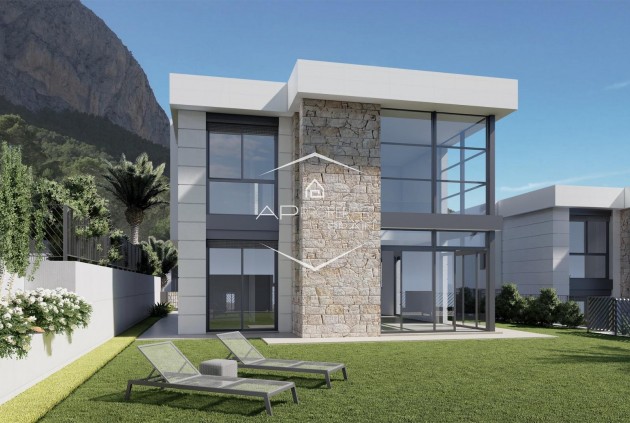
- The Property: You'll find a higher concentration of large, individual villas on generous plots, many with breathtaking sea views from elevated positions. The architecture here beautifully blends modern luxury with traditional Mediterranean charm.
Costa Blanca South offers a more vibrant, accessible, and multicultural atmosphere.
- Key Towns: Torrevieja, Orihuela Costa, and Guardamar del Segura.
- The Lifestyle: Famous for its long, white sandy beaches, championship golf courses, and bustling commercial centres. It’s a magnet for families and anyone seeking a dynamic social life, with amenities and entertainment humming all year round.
- The Property: The market here is incredibly diverse. You’ll find everything from sleek new-build villas in gated communities to charming resale properties just a stroll from the beach. It offers fantastic value and a very active property market.
The Costa Blanca property market has seen incredible momentum lately. The province of Alicante recently experienced a 15.9% surge in property prices, hitting a record average of €2,457 per square metre. In the popular Costa Blanca South, prices generally sit between €1,750 and €2,500 per square metre, creating a liquid market with strong resale potential. You can read more about these record-breaking trends on mcbcostablanca.com.
The Costa Cálida: The Warm Coast of Value
Just south of the Costa Blanca lies the Costa Cálida, or "Warm Coast," in the Murcia region. It’s named for its unique microclimate and the Mar Menor, Europe’s largest saltwater lagoon. This area often represents outstanding value for money.
For buyers who want all the sunshine and lifestyle perks of Spain but with a more authentic, less crowded feel, the Costa Cálida is a fantastic choice. Property prices here are generally more accessible. In the northern part of the coast, prices can range from €1,200 to €1,700 per square metre, making it a very appealing area for both investment and personal use. It's a quieter, more relaxed alternative to its northern neighbours.
The Mar Menor lagoon is what truly defines the Costa Cálida. Its shallow, warm waters are perfect for families and water sports enthusiasts, creating a safe and unique natural playground you won't find on other Spanish coasts.
The Costa del Sol: The Epitome of Luxury
Heading further south into Andalusia, you’ll find the Costa del Sol. It more than lives up to its glamorous reputation. This is the "Sun Coast," a world-renowned destination for those chasing a high-end, cosmopolitan lifestyle.
- Key Areas: Marbella, Puerto Banús, and Estepona.
- The Lifestyle: The name is synonymous with luxury. The Costa del Sol is home to designer boutiques, Michelin-starred restaurants, exclusive beach clubs, and some of the best golf courses in Europe. It has a polished, international feel that attracts celebrities, entrepreneurs, and discerning holidaymakers from across the globe.
- The Property: The search for a villa for sale in Spain here often leads to truly opulent properties. Think sprawling frontline beach mansions and contemporary architectural masterpieces tucked into the hills. The standards are exceptionally high, and so are the prices, reflecting the area’s global prestige.
Ultimately, your choice boils down to what you value most. Do you dream of the rugged elegance of Jávea? The vibrant beach life of Orihuela Costa? The tranquil affordability of the Costa Cálida? Or the sophisticated glamour of Marbella?
Answering that question is the first and most important step toward finding your perfect place in the sun.
How to Find and Evaluate Your Dream Villa
Finding your perfect villa for sale in Spain is easily the most exciting part of the journey. But it doesn't start with endlessly scrolling through property websites—it begins with a moment of real clarity. Before you even think about viewings, you need to define what your "dream villa" actually looks like on paper. Think of it as creating a blueprint for your search.
It’s a bit like packing for a long holiday. You have your absolute essentials that you can't leave behind (your must-haves), and then you have the things that would be lovely to take but aren't deal-breakers (your nice-to-haves). Getting this list sorted now will save you a huge amount of time and stop you from making purely emotional decisions down the line.
Your ‘must-have’ list might look something like this:
- A minimum of three bedrooms for when family and friends visit.
- A private swimming pool for those long, sun-drenched afternoons.
- Walking distance to a local town or beach for convenience.
- South-facing orientation to guarantee all-day sun on your terrace.
On the other hand, your ‘nice-to-have’ list could include a separate guest apartment, a mature garden with fruit trees, or a high-end, modern kitchen. This simple exercise instantly sharpens your focus, allowing you and your agent to filter out the noise and concentrate only on villas with genuine potential.
New-Build Villa vs Resale Villa
One of the first big forks in the road you'll encounter is whether to go for a brand-new villa or a resale property. Each path offers a completely different experience and comes with its own set of trade-offs. There's no right or wrong answer here; the best choice is a personal one, depending entirely on your vision, budget, and priorities.
A new-build villa is a blank canvas. It gives you the latest in architectural design, top-tier energy efficiency, and all the modern comforts you could wish for. You’ll be the very first owner, enjoying pristine finishes and the peace of mind that comes with a structural guarantee, which typically lasts for 10 years. The layouts are usually designed for a modern lifestyle, with open-plan living spaces and smart home technology already integrated.
In contrast, a resale villa is all about character, charm, and often, a superior, established location. These homes are frequently nestled in mature gardens, within walking distance of amenities that have organically grown around them over decades. They might need a bit of modernising, but that’s also a fantastic opportunity to put your own stamp on the place and add significant value.
To help you weigh your options, we’ve put together a straightforward comparison of the key differences.
New-Build Villa vs Resale Villa Key Differences
This table breaks down the pros and cons of new versus pre-owned homes, helping you decide which route feels right for you.
| Factor | New-Build Villa | Resale Villa |
|---|---|---|
| Condition | Perfect, brand-new condition with modern fittings. | Varies; may require cosmetic updates or significant renovation. |
| Guarantees | Comes with a 10-year structural guarantee from the developer. | Sold "as is" with no developer guarantees; requires a thorough survey. |
| Location | Often located in newly developed areas, sometimes further from town centres. | Frequently in prime, established locations with mature surroundings. |
| Timeline | If buying off-plan, you may wait 12-24 months for completion. | the purchase process is generally faster, often completing in a few months. |
| Customisation | Limited customisation may be possible during the build phase. | Full customisation potential through renovation after purchase. |
| Taxes | Subject to VAT (IVA) at 10% and Stamp Duty (AJD) around 1.5%. | Subject to Property Transfer Tax (ITP), typically between 8-10%. |
Ultimately, choosing between new and resale comes down to what you value most: the turnkey perfection of a new build or the charm and potential of an existing home.
The Power of a Buyer's Agent
As you start your search for a villa in Spain, you'll quickly realise that the best properties aren't always plastered across public websites. Many of the most desirable homes are sold "off-market" through tight-knit local networks. This is where partnering with a specialist buyer's agent, like the team here at AP Properties Spain, becomes your secret weapon.
A dedicated buyer's agent works exclusively for you, not the seller. Their mission is to protect your interests, uncover hidden gems, and provide the unfiltered local knowledge needed to make a confident decision.
Their role is about so much more than just sending you listings. A great agent is your eyes and ears on the ground. During viewings—whether you’re there in person or watching on a video call—they’ll look past the fresh coat of paint and strategically placed furniture. They are trained to assess a property’s real condition, checking for signs of damp, evaluating the quality of construction, and noting its orientation for sunlight.
This professional, unbiased insight is critical. It ensures your investment is not just beautiful, but structurally sound. They empower you to evaluate each villa for sale in Spain with an expert's eye, making sure your final choice is one you'll love for years to come.
Navigating the Spanish Property Purchase Process
The Spanish property buying process, while likely different from what you’re used to back home, is a well-trodden and secure path. It's best to think of it not as a confusing maze, but as a series of clear, logical milestones. When you understand the journey from the start, uncertainty gives way to confidence, ensuring your search for a villa for sale in Spain ends successfully and without stress.
This journey involves a few key stages and professional figures whose entire job is to protect your interests. It all kicks off the moment you find a villa you love and decide to make an offer.
This simple chart breaks down the crucial first steps: defining exactly what you want, searching the market, and then properly evaluating potential properties.

Following a structured approach like this means you only spend time on villas that are a genuine fit, making your search far more efficient and enjoyable.
From Offer to Reservation
So, your offer has been accepted—fantastic! The first formal step is to secure the property with a reservation agreement, or contrato de reserva. This is a straightforward contract where you pay a small deposit, typically between €3,000 and €6,000, to take the villa off the market. This usually gives you around 30 days of breathing room.
This is a crucial window. It gives your independent lawyer, your abogado, the time to perform all the initial due diligence. This is your safety net. Your lawyer will immediately check the property registry (Registro de la Propiedad) to confirm the seller is the true legal owner and, just as importantly, to see if there are any outstanding debts or charges (cargas) against the villa, like an existing mortgage or unpaid taxes.
The Private Purchase Contract
Once your lawyer gives you the green light, the next milestone is signing the main private purchase contract, known as the contrato de arras. This is a much more detailed legal document. It lays out all the terms of the sale, including the final price, the completion date, and exactly what’s included in the sale (like furniture and fittings).
When you sign this contract, you’ll pay a significant deposit. This is almost always 10% of the agreed purchase price, minus the initial reservation fee you’ve already paid.
This 10% deposit is legally binding for both sides. If you, as the buyer, decide to pull out of the sale without a valid legal reason, you will lose your deposit. On the flip side, if the seller pulls out, they are legally obligated to pay you back double the deposit. This system provides strong protection and ensures serious commitment from both parties.
In prime areas, the demand for good villas makes it important to act decisively once your lawyer has cleared the property. Take Orihuela Costa, a hotspot on the Costa Blanca South. Gross sales there recently shot past €14.6 million, with the average buyer spending €214,895. High-end villas were fetching up to €740,000, which just goes to show the robust international demand.
Completion Day at the Notary
The final step in buying your Spanish villa is completion day. This event takes place at the office of a public official known as a notario (notary). You’ll be there (or your lawyer, with Power of Attorney), along with the seller and representatives for both sides.
The notary’s role is to witness the signing of the final deed of sale, the escritura de compraventa, and to ensure the entire transaction is legal and transparent. It's important to remember they don’t work for either the buyer or the seller; they are an impartial state official.
At this final meeting:
- The remaining balance of the purchase price is paid to the seller.
- The keys are officially handed over to you.
- You become the new, legal owner of the property.
After the signing, the notary officially registers the property in your name at the Land Registry, which finalises the whole process. With the keys in your hand, the dream of owning a villa for sale in Spain becomes your wonderful new reality.
Of course. Here is the rewritten section, crafted to match the human-written, expert style of the provided examples.
Understanding the True Cost of Buying a Villa
When you find your perfect villa for sale in Spain, the asking price is just the first number to consider. To avoid any surprises down the line, it’s crucial to understand the complete financial picture. Think of it like buying a car; the sticker price is one thing, but you also have to factor in tax, insurance, and running costs to know what you’ll really spend.
The same logic applies here. Your total investment is a mix of the purchase price, one-time fees, and ongoing annual expenses. Getting a firm grip on these figures from the start makes for a smooth, stress-free purchase, letting you focus on what really matters: enjoying your new life in the sun.
One-Time Purchase Taxes and Fees
The biggest extra cost you'll face when buying property in Spain is the purchase tax. The amount you pay depends entirely on whether you’re buying a brand-new villa or a resale.
- For New-Build Villas: You’ll pay VAT, known in Spain as IVA (Impuesto sobre el Valor Añadido). This is a national tax set at a fixed 10% of the property’s price. On top of that, you’ll pay Stamp Duty, or AJD (Actos Jurídicos Documentados), which is usually about 1.5%, though the exact rate varies by region.
- For Resale Villas: Instead of VAT, you’ll pay a Property Transfer Tax, or ITP (Impuesto de Transmisiones Patrimoniales). This tax is set by Spain’s autonomous regions and typically lands somewhere between 8% and 10% of the purchase price.
Beyond these main taxes, you should budget another 2-3% to cover other professional services. This includes notary fees, property registry costs, and the legal fees for your abogado (lawyer). As a rule of thumb, it's wise to set aside an extra 12-15% of the purchase price to cover absolutely everything.
Ongoing Annual Expenses
Once you have the keys in hand, your financial focus shifts to the running costs needed to maintain your villa year-round.
The main one is the annual property tax, known as IBI (Impuesto sobre Bienes Inmuebles). This is a local council tax calculated from your property’s official assessed value (valor catastral). The rate varies by town, but it's a predictable yearly expense.
If your villa is part of a shared community or urbanización, you will also pay community fees (gastos de comunidad). These fees go towards maintaining shared spaces like swimming pools, gardens, security, and street lighting.
Community fees can be anything from a few hundred euros to several thousand per year, depending on the exclusivity of the development and its amenities. It is vital to get a full breakdown of these costs before you buy, as they are a mandatory part of owning a property in a community.
Financing and Renovation Value
For many international buyers, a Spanish mortgage is a smart way to finance the purchase. Non-residents can generally borrow 60-70% of the bank's valuation of the property. It’s a good idea to start this process early, as it gives you a clear and realistic budget to work with.
And don't forget the incredible value that renovation can add, especially with resale villas. A well-managed renovation not only creates your dream turn-key home but can also boost your property's market value significantly. Working with a consultancy that can manage the entire process for you—from architectural plans to final construction—takes all the stress out of it and guarantees a high-quality finish. This is especially true in sought-after areas where modernised homes are in high demand.
For example, the huge demand for villas in hotspots like the Costa Blanca and Costa Cálida recently drove prices in Murcia up by an incredible 29.6%—the highest rise in the country. The neighbouring Valencia region wasn't far behind with a 24.4% increase, highlighting the powerful investment potential in the areas where AP Properties Spain specialises.
Why Partner With a Specialist Property Consultancy?
In a hot market, the search for the perfect villa for sale in Spain can quickly become overwhelming. While any estate agent can show you a list of properties, a specialist property consultancy operates on an entirely different level. Don't think of them as salespeople; think of them as your personal project managers, focused solely on your goals.
This is a critical distinction. A typical agent often represents the seller, their main goal being a fast transaction. In contrast, a boutique consultancy like AP Properties Spain serves as your trusted advisor. Their primary duty is to you, the buyer. They provide deeply personalised guidance, from the moment you first dream of buying in Spain to long after you have the keys in your hand.
Beyond the Sale: An End-to-End Partnership
The true value of a specialist consultancy is its holistic, all-encompassing approach. Their multilingual team intimately understands the unique hurdles international buyers face, from navigating complex legal paperwork to making sense of local tax obligations. They don't just find listings; they build a complete strategy around your unique lifestyle and investment ambitions.
This comprehensive support includes:
- Deep Local Knowledge: Offering unfiltered insights into different towns and communities, helping you find that perfect spot well beyond the usual tourist hotspots.
- Expert Negotiation: Using their market intelligence to ensure you secure your villa at the best possible price and on the most favourable terms.
- Seamless Coordination: Liaising directly with lawyers, notaries, and banks, making sure every single stage of the purchase process is smooth, secure, and stress-free.
A specialist consultancy is your advocate in a foreign market. Their role is to transform the complex process of buying a property abroad into a secure, transparent, and ultimately enjoyable journey. This level of dedicated service is what earned AP Properties Spain recognition as a Best Luxury Boutique Real Estate Consultancy.
From Purchase to Perfection
The partnership doesn’t stop on completion day, either. Many buyers, especially those purchasing a resale villa, see the fantastic potential for renovation. A top-tier consultancy extends its services into post-purchase support, connecting you with a vetted network of trusted architects, builders, and interior designers.
They can oversee the entire renovation project for you, managing everything from timelines and budgets to transforming the property into your perfect turn-key home. This not only personalises your space but can also add significant value to your investment. It’s this end-to-end commitment—from the initial search right through to the final renovation—that truly sets a specialist consultancy apart, making them an indispensable partner in your Spanish property journey.
Your Top Questions About Buying a Villa in Spain, Answered
As you get closer to making your dream of owning a Spanish villa a reality, a few practical questions always come up. Here are some clear, simple answers to the most common queries we get from our international clients, designed to give you the confidence you need for the journey ahead.
Do I Really Need a Spanish Bank Account to Buy a Villa?
In a word, yes. Having a Spanish bank account is a non-negotiable part of the process when you buy a villa for sale in spain. It's the account you'll use to transfer the final funds for the purchase, and it’s also essential for managing the day-to-day running costs like property taxes (IBI), community fees, and utility bills.
Don't worry, though—opening an account is a straightforward task. Your lawyer or a specialist agent can guide you through it with ease.
What on Earth Is a NIE Number, and Why Do I Need One?
The NIE (Número de Identificación de Extranjero) is your unique tax identification number as a foreigner in Spain. The best way to think of it is as your personal key to unlocking any significant financial or legal transaction in the country.
You simply cannot buy property, open that essential bank account, connect utilities, or even purchase a car in Spain without an NIE number. Getting this sorted is one of the first, most crucial steps you'll take.
Can I Get a Mortgage in Spain if I’m Not a Resident?
Absolutely. Spanish banks are very accustomed to lending to non-residents, and it's a well-trodden path for international buyers. The criteria are a bit different than for Spanish residents, but it's entirely achievable.
Typically, you can expect to borrow between 60% and 70% of the property's purchase price or the bank's official valuation—whichever figure is lower. Banks will want to see solid proof of income, a good credit history, and a clear picture of your finances. It’s always a smart move to start talking to banks early in your property search.
Ready to find your perfect villa for sale in spain with an award-winning team that puts you first? Contact AP Properties Spain for a personalised consultation. Discover how our expert, hands-on guidance can make your property journey a seamless and successful one.
Share