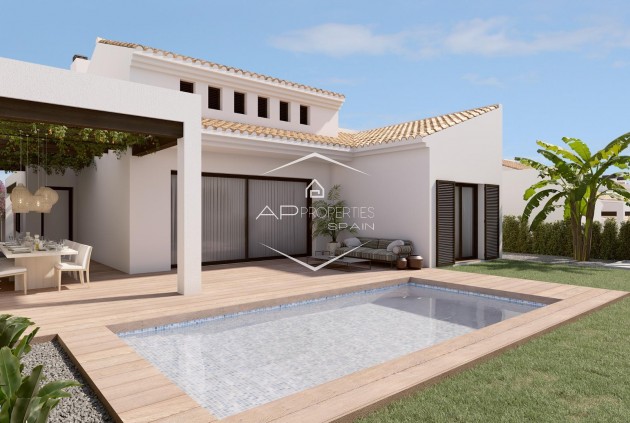






Spanish country villas: 2026 Guide to Luxury Homes
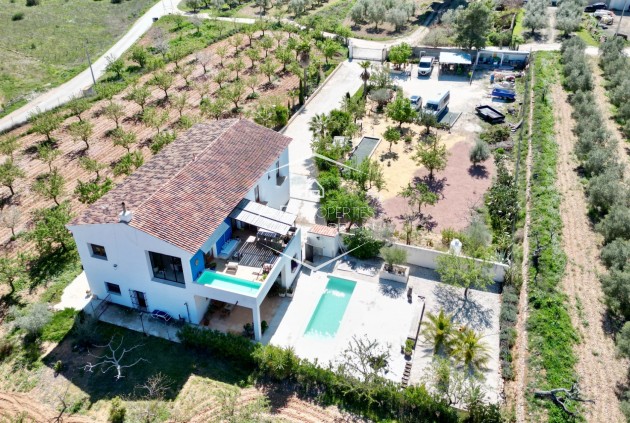
Picture this: you wake up to sun-drenched terraces, look out over rolling green hills, and enjoy the complete tranquillity of your own private oasis. This isn’t just a holiday fantasy; it’s the lifestyle that a Spanish country villa offers, and it's a dream that more and more international buyers are turning into reality.
It’s about more than just owning a property; it's about owning a piece of the serene Spanish landscape.

The Enduring Appeal of Spanish Countryside Living
The magnetic pull of a Spanish country villa goes far beyond bricks and mortar. For many, it’s a conscious choice to step away from the noise of city life and embrace a more peaceful existence, where the day’s rhythm is set by the sun, not a frantic schedule. It’s about creating your own personal sanctuary.
But what really makes a 'villa' different from other traditional Spanish properties, like a finca or a cortijo? While you’ll hear the terms used loosely, they each have a distinct character.
Here’s a simple way to think about it:
- Finca: This traditionally refers to a rural plot of land, often with a farmhouse on it. The focus is really on the land itself—think olive groves, vineyards, or fruit orchards.
- Cortijo: Typically found in Andalucía, a cortijo is a much larger, more historic estate. These were once the heart of major agricultural operations and often feature grand courtyards and multiple buildings.
- Villa: This term usually implies a home built with leisure and comfort in mind. It might be on a smaller plot than a finca, but it's designed as a high-quality residence, not a working farm, and is often more modern or has been fully renovated.
Defining the Modern Country Villa
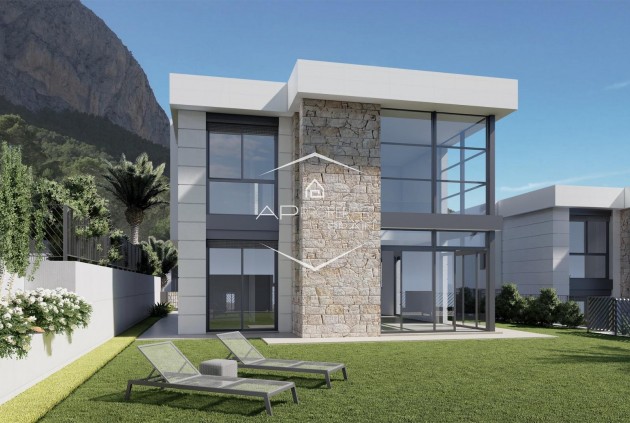
Today's Spanish country villas beautifully merge the old with the new. They respect the architectural soul of their region—terracotta roofs, whitewashed walls, and cool tiled floors—while weaving in all the comforts we expect from modern life.
A true country villa gives you the best of both worlds: the character and charm of a traditional Spanish home combined with the modern functionality and style today’s international buyers are looking for. It's more than just a house; it’s a carefully curated lifestyle.
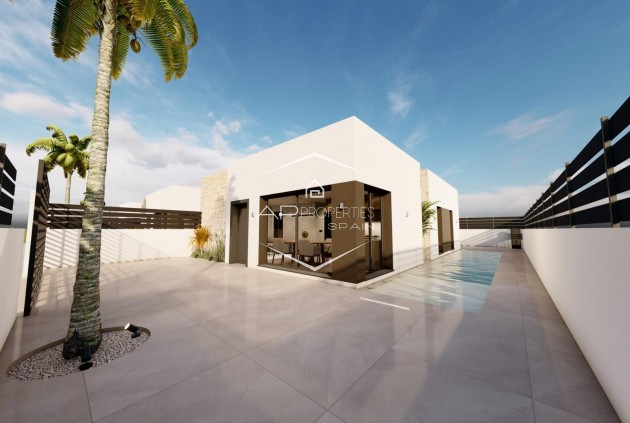
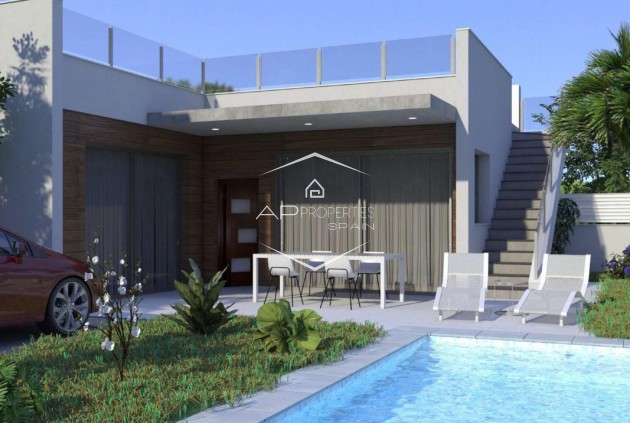
This modern version of the dream often comes with features designed for pure relaxation and enjoyment. It’s common to find private swimming pools reflecting the brilliant blue sky, spacious outdoor kitchens perfect for al fresco dining, and beautifully landscaped gardens that provide colour and fragrance all year round. Inside, open-plan living spaces, modern kitchens, and ensuite bathrooms have become the new standard.
For international buyers, however, the path to finding that perfect property can feel complicated. It means getting to grips with different regional markets, understanding local laws, and finding a home that fits both your lifestyle goals and your budget.
This is exactly where a specialist partner like AP Properties Spain becomes essential. With our deep-rooted local knowledge and a truly personal approach, we guide our clients through every single step. Our mission is to make sure you don't just buy a house, but find a home that genuinely delivers on the enchanting promise of the Spanish countryside.
Exploring Spain’s Premier Villa Hotspots

Spain isn’t one single property market. It’s a collection of unique regions, each with its own distinct character, lifestyle, and property landscape. Deciding where to buy your Spanish country villa is the first, most important step, and the right choice comes down to your personal taste, budget, and the atmosphere you’re looking for.
Some areas are buzzing with established international communities, while others offer a more tranquil, traditionally Spanish way of life. From the sun-drenched Mediterranean coast to the quiet, rustic hills inland, let’s pinpoint the hotspots where your dream villa is waiting.
Costa Blanca: The Established Favourite
The Costa Blanca, or "White Coast," is without a doubt one of the most popular destinations for international buyers, and for very good reason. It delivers an exceptional quality of life, with over 320 days of sunshine a year, pristine Blue Flag beaches, and top-tier amenities.
This region has mastered the art of blending vibrant coastal towns with peaceful inland valleys.
Areas like Jávea and Moraira are especially sought-after for high-end Spanish country villas. Here, you’ll find everything from modern architectural statements to beautifully restored traditional fincas, many with incredible sea views. The lifestyle is active and social, built around world-class golf courses, marinas, and a fantastic international dining scene.
- Jávea: Known for its three distinct zones—the historic old town, the port, and the lively Arenal beach—Jávea attracts a diverse and sophisticated international community.
- Moraira: What was once a small fishing village has carefully grown into an upmarket town. It has managed to keep its original charm while offering some of the most luxurious properties on the coast.
Costa Cálida: The Authentic Gem
Stretching along the Murcian coastline, the Costa Cálida—or "Warm Coast"—is a region quickly gaining a reputation for its authenticity and remarkable value. It's home to the Mar Menor, a unique saltwater lagoon, and has a climate that's even milder than the Costa Blanca, making it a genuine year-round destination.
Mazarrón and its surrounding areas are becoming hotspots for buyers looking for spacious country properties at more accessible prices. Your budget simply goes further here, often securing larger plots of land and more privacy. It’s the perfect fit if you want to immerse yourself in a more traditional Spanish culture without giving up beautiful beaches and modern comforts.
The Costa Cálida offers a strategic opportunity. You get the idyllic Spanish lifestyle that made the Costa Blanca famous, but with a more relaxed pace and greater potential for property value appreciation as the region's popularity continues to grow.
A Glimpse at Other Key Regions
While the Costa Blanca and Costa Cálida are core areas of focus for us at AP Properties Spain, it’s worth being aware of other prominent regions:
- Costa del Sol: Famous for glamorous spots like Marbella and Estepona, this is the destination for ultimate luxury, with a deeply established and high-end market.
- Almería: Offering a more arid, dramatic landscape, Almería is ideal for those who value solitude, rugged natural beauty, and often find it at a lower price point.
To help you get a clearer picture of how these regions stack up, we’ve created a simple comparison table. This side-by-side look highlights the key differences in price, lifestyle, and the type of buyer each area typically attracts, helping you narrow down the perfect location for your villa search.
Comparing Spain's Top Regions for Country Villas
A side-by-side look at Spain's leading regions for country villas, comparing key factors to help you choose the ideal location.
| Region | Average Villa Price (Approx.) | Key Lifestyle Features | Best For... |
|---|---|---|---|
| Costa Blanca | €500,000 - €1.5M+ | Vibrant expat communities, golf courses, marinas, international schools, lively social scene. | Buyers seeking a blend of luxury, social life, and established amenities. |
| Costa Cálida | €250,000 - €700,000 | Authentic Spanish culture, relaxed pace, excellent value, water sports, quiet beaches. | Buyers looking for space, tradition, and strong investment potential. |
| Costa del Sol | €800,000 - €3M+ | High-end luxury, designer shopping, exclusive clubs, celebrity hotspots, bustling nightlife. | Buyers prioritising glamour, prestige, and a high-energy luxury lifestyle. |
| Almería | €200,000 - €500,000 | Dramatic desert landscapes, unspoiled nature, tranquillity, historic Moorish towns. | Buyers seeking seclusion, natural beauty, and highly affordable properties. |
Ultimately, choosing a region is about finding a place that feels like home. Whether you're drawn to the lively social scene of the Costa Blanca or the authentic charm of the Costa Cálida, your perfect Spanish country villa is out there.
Here is the rewritten section, crafted to sound like an experienced human expert, following the provided style guide.
Navigating the 2026 Spanish Real Estate Market
Trying to understand the Spanish property market can feel like a guessing game, especially from abroad. But as we look towards 2026, the picture for country villas is becoming clearer. We're seeing a fascinating split: established hotspots are booming, while other up-and-coming areas are offering incredible value. For an international buyer, knowing where to look—and when to act—is everything.
The market isn't a single entity. In prime locations, intense demand from buyers looking for that perfect lifestyle has sent values climbing. This means you need to be decisive in sought-after areas. At the same time, it shines a light on the huge opportunity waiting in regions just starting to get noticed.
Pricing Dynamics and Regional Growth
Different regions move at different speeds. The Costa Blanca, for instance, continues to be a magnet for discerning buyers who want it all: breathtaking scenery and top-tier infrastructure. This unwavering interest has a direct, and very positive, effect on property values.
In fact, prices on the Costa Blanca have shot up by a remarkable 9.2% in the last year alone (as of Q2 2024). This growth is fuelled by international buyers flocking to sea-view properties in hotspots like Jávea and Calpe. You can see the full story in the Spanish housing market report Q2 2024.
This isn't just a number on a page; it’s a clear signal. A well-chosen Spanish villa in a prime area is on a strong upward trend, rewarding buyers who act with good timing and solid advice.
This data confirms what we see on the ground every day: waiting to buy in a high-demand area could mean paying a lot more later. As the winner of Best Luxury Boutique Real Estate Consultancy in Costa Blanca for both 2024 and 2025, we use this kind of detailed market intelligence to help our clients secure properties before prices climb even higher.
The Tale of Two Markets: New-Build Versus Resale
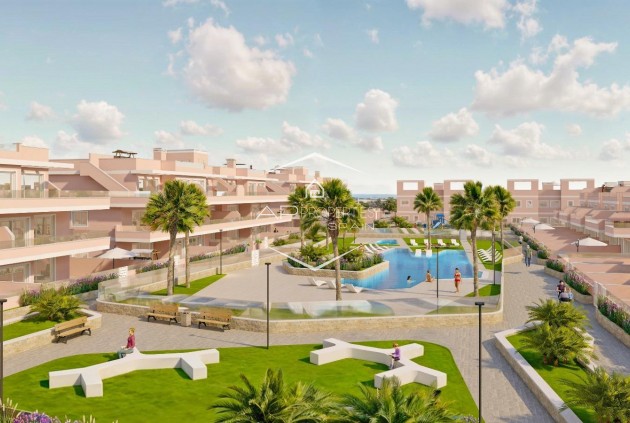
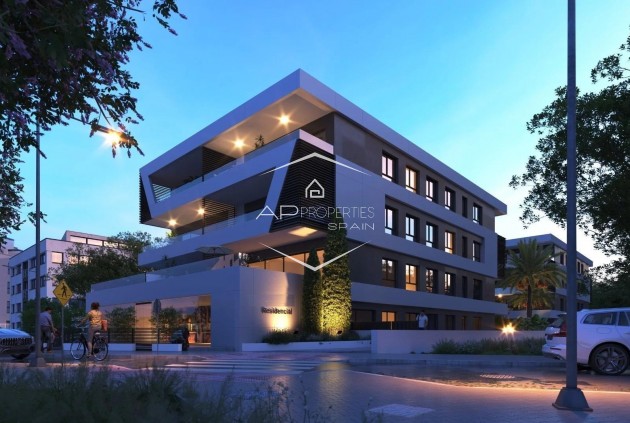
There's another major trend shaping the market, and it’s all about what buyers are looking for inside their homes: the growing demand for new-build and fully renovated properties. The charm of a rustic, untouched finca is timeless, but today’s buyers are increasingly putting modern comforts, energy efficiency, and turnkey convenience at the top of their list.
You can see this shift clearly in the latest market figures. While overall property sales in the Comunidad Valenciana fell by 8.5% over 12 months, the breakdown tells the real story:
- New-Build Sales: In Alicante province, sales of new homes actually jumped by 13.4%.
- Resale Homes: In stark contrast, sales of existing homes dipped by 11.5%.
This isn't just a minor fluctuation; it's a pivot. Buyers are actively hunting for modern layouts, high-spec finishes, and the peace of mind that a new property provides. They want the open-plan living spaces, state-of-the-art kitchens, and energy-efficient systems that older properties often can't offer without a major overhaul.
But this doesn't mean resale properties have lost their shine. On the contrary, it highlights the fantastic potential in renovating a well-located older villa. A smart renovation can give you a modern home full of traditional character—and often create a significant amount of equity in the process.
At AP Properties Spain, we specialise in finding both premium new developments and resale villas with outstanding potential. We use this insight to guide our clients to the right choice for them, whether that’s a brand-new luxury villa or a rustic gem ready to be transformed into a modern masterpiece.
A Step-By-Step Guide for International Buyers
Buying a property in another country can feel like navigating a maze of unfamiliar rules and red tape, but it really doesn't have to be overwhelming. For international buyers dreaming of their own Spanish country villa, the journey is surprisingly straightforward once you have a clear roadmap.
We’ve broken down the entire process to replace any anxiety with confidence, showing you exactly how to get from that initial spark of interest to finally holding the keys to your new home in Spain.
Your First Steps: Securing Your Foothold
Before you can even think about making an offer, there are a couple of essential administrative tasks every non-resident buyer must tackle. Think of these as the foundations for your property purchase in Spain. Getting them sorted early will prevent frustrating delays down the line.
First on the list is getting your NIE number (Número de Identificación de Extranjero). This is simply a unique tax identification number for foreigners, and it's non-negotiable for any major financial transaction—from buying a property and opening a bank account to setting up utilities. You can apply for one at a Spanish consulate in your home country or in person at a designated police station in Spain.
Next, you'll need to open a Spanish bank account. This is vital for transferring the funds for your deposit and the final purchase. It will also be essential for setting up direct debits for your ongoing costs, like council tax (IBI) and utility bills, once you're a homeowner.
The Key Players and Their Roles
The Spanish property buying process revolves around three key professionals, each playing a distinct and crucial role. Understanding who does what is the key to a smooth, confusion-free experience where all your bases are covered.
- The Real Estate Agent: Your agent, like the team here at AP Properties Spain, is your guide on the ground. We’re here to help you find the right properties, arrange viewings, offer genuine local market insight, and assist you in the negotiation. A great agent is your strategic partner from start to finish.
- The Lawyer (Abogado): Your lawyer is your independent legal champion, working exclusively to protect your interests. They carry out all the due diligence on the property, meticulously checking for any debts or legal skeletons in the closet. They also review every contract to ensure the entire transaction complies with Spanish law.
- The Notary (Notario): The notary is a public official who officiates the final sale. Their job is to verify everyone's identity, witness the signing of the final deed (Escritura de Compraventa), and ensure the property is correctly registered in your name. They confirm the legality of the transaction, but they don't represent your personal interests like your lawyer does.
This chart shows how current market conditions are influencing new-build and resale property options—an important factor to keep in mind during your search.

The data highlights a clear trend: while prices are climbing, many buyers are leaning towards new-builds. This shift makes well-renovated resale villas an excellent opportunity to find real value.
From Offer to Ownership: The Legal Journey
Once you’ve found that perfect villa, the legal process kicks into gear. It usually starts with a simple reservation agreement and a small deposit to take the property off the market while your lawyer gets to work.
Next, your lawyer will perform a thorough check on the property’s legal status using a document called the Nota Simple.
The Nota Simple Informativa is a critical document obtained from the Spanish Land Registry. It gives you a complete snapshot of the property's legal situation, confirming the registered owner and detailing any debts, mortgages, or legal claims attached to it.
After your lawyer gives the green light, you'll move on to sign the private purchase contract, or Contrato de Arras. This is a legally binding agreement where you typically pay a 10% deposit. It’s a serious commitment: if you pull out of the sale, you lose your deposit. If the seller pulls out, they must pay you back double what you paid.
The final step is the meeting at the notary's office to sign the Escritura de Compraventa. Here, you'll pay the remaining balance, and most importantly, receive the keys. With a trusted partner like AP Properties Spain guiding you, this seemingly complex process becomes a secure and seamless experience, paving the way for your new life in a beautiful Spanish country villa.
Transforming Your Villa From Rustic to Refined

One of the great joys of buying a Spanish country villa is the chance to take a property with authentic, rustic character and shape it into something truly special. It’s about more than just a lick of paint; it’s an opportunity to create a home that’s perfectly moulded to your lifestyle, whether that’s a contemporary primary residence or a high-yield holiday rental.
The first step is learning to spot a property with great potential. This means looking beyond tired décor or a dated layout and seeing the "bones" of the house. We always advise clients to focus on the structural integrity, the natural flow of the rooms, and—most importantly—the location. A villa with a solid foundation in a beautiful setting is a canvas just waiting for its masterpiece.
Creating Value Through Smart Improvements
Embarking on a renovation isn’t just about personal taste; it’s a brilliant strategy for adding significant value to your investment. From our years of experience, we’ve seen that certain upgrades consistently deliver the highest return, both financially and in terms of pure lifestyle enjoyment. Focusing your budget on these key areas can turn a good property into an exceptional one.
Three areas, in particular, deliver the biggest impact:
- The Pool and Terrace: In Spain, life is lived outdoors. Installing a new swimming pool or modernising an existing one is arguably the single most desirable upgrade you can make. Complement this with a beautifully designed terrace for sunbathing and a shaded dining area for those long, lazy lunches.
- The Kitchen: The kitchen is the heart of any Spanish home. Transforming a small, dark kitchen into a bright, open-plan space with modern appliances and quality finishes not only makes daily life better but also dramatically increases the property's appeal.
- Bathrooms and En-suites: Bringing old bathrooms up to sleek, contemporary standards is a must. Adding en-suite bathrooms to the principal bedrooms, in particular, is a touch of luxury that modern buyers and holiday renters actively look for.
An Investment Strategy With Proven Results
Choosing the right region for a renovation project is just as crucial as the project itself. The Costa Cálida, for example, represents a superb opportunity right now. Its more accessible property prices mean your initial outlay is lower, leaving more of your budget free for these value-adding improvements.
Recent data shows that fincas and country villas in Costa Cálida, an ideal area for the serene lifestyle AP Properties Spain curates, have an average list price of €279,530. With prices per square metre at around €1,273, these detached villas offer far more space and potential than in more saturated markets. This affordability, coupled with a massive 20.1% price jump for new-builds in Q2 2024 versus Q1, signals untapped growth potential.
Undertaking a renovation project in a region like Costa Cálida allows you to create a high-spec, modern villa for a total cost that can still be significantly less than buying a turnkey property in a more expensive area.
From Project to Perfection With Expert Guidance
The thought of managing a renovation from another country can feel daunting. There are local planning permissions to navigate, reliable tradespeople to source, and logistics to coordinate. This is where the end-to-end service from AP Properties Spain becomes invaluable.
We don't just help you find a property with potential; we coordinate every detail of its transformation. We connect you with our trusted network of vetted architects, designers, and builders who understand both the local aesthetic and the building codes. By managing the project on your behalf, we turn a complex renovation into a seamless and enjoyable process, delivering a refined Spanish country villa that exceeds your every expectation.
Finding the Right Partner for Your Spanish Dream
The search for a perfect country villa in Spain can feel overwhelming. Scrolling through endless online listings, trying to make sense of conflicting advice—it’s easy to get lost. But finding and buying your dream home doesn't have to be a struggle. With the right partner by your side, the process becomes an exciting and rewarding adventure.
The difference comes down to working with a team that doesn’t just understand the market, but understands you. A great agent moves beyond just showing properties. They offer genuine local insight, negotiate with your best interests at heart, and provide steadfast support from the first phone call until you’re holding the keys to your new home.
From a Vague Idea to a Villa in Jávea: A Real Story
Let's talk about Mark and Susan, a British couple who came to us. They had a vision of a peaceful retreat on the Costa Blanca but were wary of the common pitfalls of buying abroad. They knew what they wanted—a villa with character, privacy, and a sense of community nearby—but didn't know where to begin.
Our first step wasn't to bombard them with listings. It was simply to listen. We sat down and talked through their lifestyle, their budget, and what their ideal life in the sun really looked like.
Armed with a clear picture, we curated a tight shortlist of just six Spanish country villas. This was a world away from the hundreds they’d been sifting through online. Each viewing was more than just a tour of a house; we explored the local village, visited the nearby market, and helped them feel the lifestyle each property offered. This personal approach led them straight to a charming villa tucked away in the hills behind Jávea. It just felt like home.
"Working with Aneta and Patrick was a completely different experience. They listened to us, understood our vision, and only showed us properties that were genuine contenders. The whole process felt discreet, professional, and entirely focused on our needs."
Once they’d found "the one," our role shifted. We stepped in to handle the negotiations, leveraging our deep market knowledge to secure a final price 8% below the initial asking price. This was a significant saving that Mark and Susan could then put towards personalising their new home. From there, we coordinated with their legal team, making sure every document was clear and every step was secure, all the way to a smooth and stress-free closing.
This is what we do at AP Properties Spain. We don’t just sell houses; we build relationships and help our clients realise their dream of owning a beautiful Spanish country villa.
If you’re ready to start your own journey, we invite you to contact us for a personalised consultation and discover how we can help you find your own piece of paradise.
Of course. Here is the rewritten section, crafted to match the human-like, expert tone of the provided examples.
Your Top Questions About Buying a Villa in Spain, Answered
Thinking about buying a country villa in Spain often brings up a few key questions, especially for international buyers. It's a big step, and you want to feel confident. Here are clear, straightforward answers to some of the most common queries we hear from our clients.
Do I Need Spanish Residency to Buy a Villa?
Absolutely not. You don’t need to be a resident to buy a home in Spain. Buyers from the UK, the rest of Europe, and all over the world can purchase property freely.
What you will need, however, is an NIE number (Número de Identificación de Extranjero). Think of it as your official identification number in Spain for any major transaction. We help all our clients secure this as one of the very first steps.
While owning a property doesn't give you automatic residency, it can be a huge plus if you decide to apply for a visa later on. For instance, it can support an application for a Non-Lucrative Visa or the well-known "Golden Visa," provided your investment meets the €500,000 threshold.
What Are the Ongoing Costs of Owning a Villa?
Once you have the keys, there are some regular running costs to factor into your budget. The good news is that these are predictable, and there are no hidden surprises when you know what to expect.
Your main annual expenses will typically include:
- IBI (Impuesto sobre Bienes Inmuebles): This is simply the local council tax. It’s calculated based on your property's official registered value, or valor catastral.
- Non-Resident Income Tax (IRNR): If you’re not a Spanish resident and don't rent out your villa, the government charges a small "imputed" income tax. It's a standard tax based on the property's valor catastral.
- Community Fees: Many villas are part of a community or urbanización. If yours is, you'll pay a fee for the upkeep of shared spaces like pools, gardens, and private roads.
- Utilities: Your standard bills for electricity, water, and internet.
How Much Tax Do I Pay When I Buy?
This is a big one, and it depends on whether you're buying a brand-new villa or a resale property. This tax is a significant part of your total budget, so getting it right from the start is crucial.
For a resale property, you'll pay a Property Transfer Tax (ITP). This varies between regions but usually falls between 7% and 10% of the purchase price. For a new-build property, you pay IVA (Spain's VAT), which is currently 10%, plus a Stamp Duty (AJD) of around 1% to 1.5%.
Your lawyer will give you a complete, detailed breakdown of every single cost and tax before you sign anything. That level of transparency is non-negotiable for us; it’s the cornerstone of a secure and professional purchase.
Ready to find your perfect Spanish country villa without the guesswork? The team at AP Properties Spain provides end-to-end guidance, from curated property searches to seamless legal completion. Start your journey with a partner you can trust.
Explore our exclusive listings and services at appropertiesspain.com
Share