





Your Guide to Spain Villas Real Estate in 2026
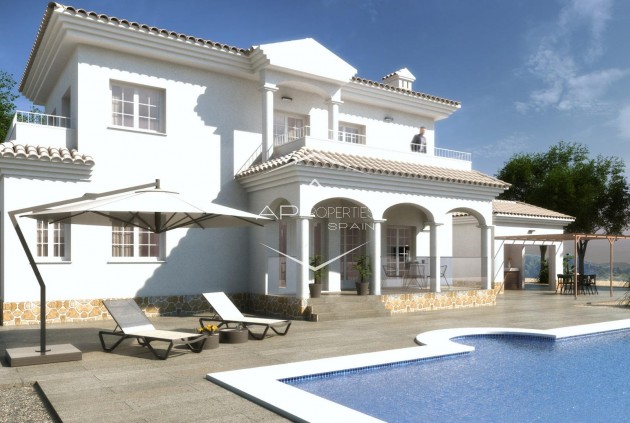
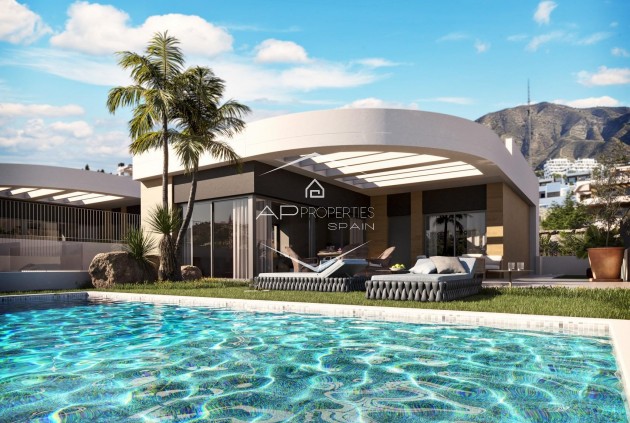
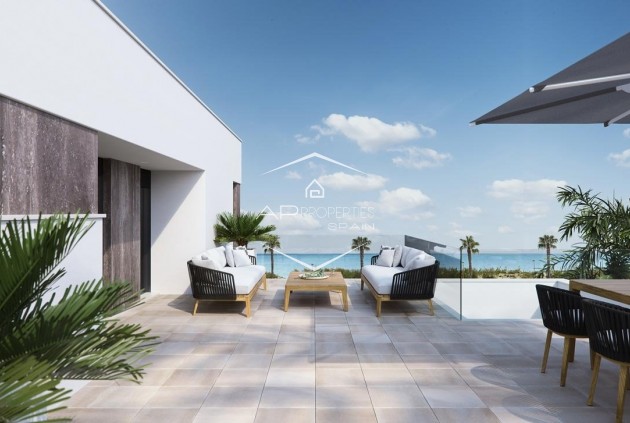
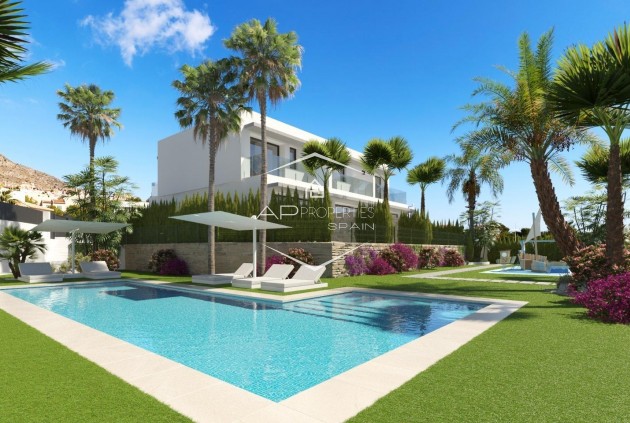
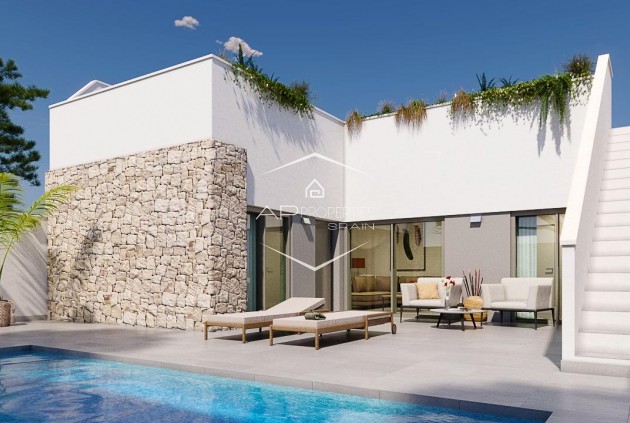
Imagine waking up to the warm Mediterranean sun, a private pool glistening just metres away, and endless sea views stretching out to the horizon. This is the vision that brings so many people to the Spain villas real estate market. But turning that dream into a set of keys in your hand can feel like a huge undertaking. This guide is here to change that, transforming what seems like a complex journey into a clear, confident path to ownership.
Your Guide to Buying a Villa in Spain
The pull of owning a Spanish villa is undeniable, built on visions of sun-drenched terraces and a slower, richer quality of life. For most international buyers, though, the thought of navigating a foreign property market can be daunting. We’ve designed this guide to cut through the noise and demystify the entire process, giving you the expert insight you need to buy with absolute confidence.
From the rugged, charming coves of the Costa Blanca to the glamorous hubs of the Costa del Sol, Spain’s coastline offers a wonderfully diverse landscape for your property search. Each region has its own distinct character, lifestyle, and market. Getting to know these differences is the first real step toward finding a place that truly feels like home.
Charting Your Course to Ownership
Think of this guide as your trusted partner, breaking down every essential step of your purchase. We’ll dive into:
- Prime Locations: We’ll explore the most sought-after coastal regions, helping you match your lifestyle goals with the perfect area.
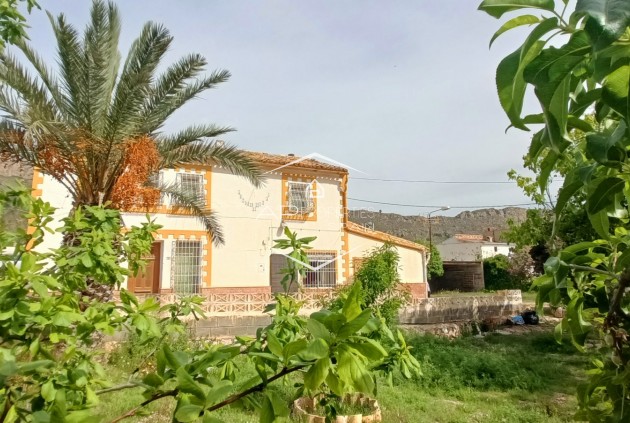
- Your Budget & What It Buys: A real-world look at what your money can secure in 2026, from traditional fincas full of character to sleek, modern new-builds.
- The Buying Process: A straightforward, step-by-step walkthrough of the legal and financial process for international buyers.
- Investment Potential: A clear analysis of rental yields, capital growth prospects, and the true costs of ownership to ensure your purchase is a sound financial decision.
The goal here is simple: to move you from dreaming about a villa to actually holding the keys. By understanding the market, preparing for the process, and having a clear vision, the search for a Spanish villa stops being an overwhelming task and becomes the exciting adventure it should be.
Whether you're looking for a holiday home for the family, a permanent move to the sun, or a smart addition to your investment portfolio, the Spain villas real estate market holds incredible opportunity. With the right information, you can find a property that not only meets your needs but exceeds your expectations of what life in Spain can be. That journey begins with knowledge, and we're here to provide it every step of the way.
Where to Buy Your Spanish Villa
Picking the right location is easily the most important decision you'll make when looking for Spain villas real estate. The famous 'Costas' are anything but a one-size-fits-all solution; each has a distinct personality, lifestyle, and investment profile. It's a bit like choosing a car: a rugged 4x4 is built for mountain adventures, while a sleek convertible is all about scenic coastal drives. Your perfect villa location depends entirely on the kind of life you want to live in it.
We'll walk you through the most popular regions for international buyers, exploring the unique character of each Costa, the types of properties on offer, and the lifestyle you can expect. From the established luxury of Costa Blanca North to the emerging value of Costa Cálida, we'll help you find the setting that aligns with your personal and financial goals.
Regional Market Snapshot for Spanish Villas 2026
To help you compare the key regions at a glance, here’s a snapshot of what each Costa offers. This table breaks down crucial metrics to help you identify the best fit for your budget, investment strategy, and lifestyle aspirations.
| Region | Average Villa Price (High-Demand Areas) | Projected 2026 Growth | Primary Buyer Profile | Best For |
|---|---|---|---|---|
| Costa Blanca North | €650,000 - €1,500,000+ | 4.5% | Affluent Northern Europeans (UK, German, Dutch) | Luxury, privacy, and spectacular sea views |
| Costa Blanca South | €350,000 - €600,000 | 5.0% | Families, retirees, holiday-home seekers | Value for money and modern new-build communities |
| Costa Cálida | €300,000 - €550,000 | 6.0% | Value-conscious international buyers (British, Belgian, Scandinavian) | Modern builds at accessible prices and authentic Spanish living |
| Costa del Sol | €1,000,000 - €5,000,000+ | 4.0% | High-net-worth individuals, celebrities, global investors | Unmatched luxury, glamour, and world-class amenities |
| Costa de Almería | €250,000 - €500,000 | 5.5% | Nature lovers, tranquillity seekers, early-stage investors | Authentic, undeveloped landscapes and excellent value |
This comparison highlights the diversity of the Spanish market. Whether you're drawn to the high-end glamour of the Costa del Sol or the raw, authentic beauty of Almería, there is a region that matches your vision for a life in Spain.
Costa Blanca: A Tale of Two Coasts
The Costa Blanca, in the province of Alicante, is a firm favourite among buyers, but it’s best to think of it as two very different markets. It’s a region of fascinating contrasts, with something for almost every taste and budget.
Costa Blanca North is defined by its rugged coastline, dramatic cliffs, and surprisingly lush, green landscapes. Towns like Jávea, Moraira, and Denia are magnets for discerning buyers from Northern Europe—especially the UK, Germany, and the Netherlands—who are looking for high-end properties with privacy and breathtaking sea views. The market here is dominated by large, individual villas on generous plots, often blending traditional Mediterranean charm with bold modern architecture.
Costa Blanca South, on the other hand, is all about long, sandy beaches and a more accessible, family-friendly vibe. Places like Torrevieja, Orihuela Costa, and Guardamar del Segura are hugely popular with retirees and those seeking a perfect holiday home. You'll find a wider range of properties here, including communities of modern, new-build villas with shared amenities that offer fantastic value for money.
Costa Cálida: The Warm Coast of Opportunity
Stretching along the coastline of Murcia, the Costa Cálida, or "Warm Coast," is a rising star in the Spanish property market. It’s known for its unique microclimate and the Mar Menor, a huge saltwater lagoon that's a paradise for watersports enthusiasts.
This region is attracting smart buyers who want the modern build quality you find on the Costa Blanca but at a more accessible price point. New developments around Los Alcázares and San Pedro del Pinatar are delivering contemporary villas that represent incredible value. The Costa Cálida appeals to a broad international crowd, including British, Belgian, and Scandinavian buyers who love its authentic Spanish feel and less-crowded beaches.
Finding the right villa is a journey of aligning your personal desires with market realities. The process typically moves from a broad search to narrowing down your budget and finally making the purchase.
The diagram below simplifies the main stages of your journey, from initial daydreams to holding the keys to your new home.

It’s a clear reminder that a successful purchase starts with clear goals and a realistic financial plan well before you start viewing properties.
Costa del Sol: Enduring Glamour and Luxury
The Costa del Sol really needs no introduction. For decades, it has been the playground for the rich and famous, and its reputation for glamour and luxury is thoroughly deserved. Running from Málaga down to Sotogrande, this coastline is home to some of Europe's most exclusive real estate.
Marbella is the undisputed epicentre, with its legendary Golden Mile, Puerto Banús, and hyper-exclusive communities like La Zagaleta. Here, you'll find sprawling mansions, contemporary architectural marvels, and frontline golf villas that command premium prices. The buyers are a global mix of high-net-worth individuals, celebrities, and serious investors, all drawn to the sophisticated infrastructure, Michelin-starred restaurants, and world-class leisure facilities. Just beyond Marbella, towns like Estepona and Benahavís offer sublime luxury villas in more tranquil but equally desirable settings.
Costa de Almería: Authentic and Untouched Spain
For anyone seeking a more authentic, undeveloped slice of Spain, the Costa de Almería offers a fantastic alternative. Located to the east of the Costa del Sol, this is a land of dramatic, semi-desert landscapes, pristine natural parks like Cabo de Gata, and quiet, traditional villages.
The property market here is far less saturated, offering a glimpse of what the more developed Costas were like decades ago. You can find everything from rustic cortijos (farmhouses) inland to modern villas in coastal towns like Mojácar and Vera. The Costa de Almería attracts buyers who prioritise nature, tranquillity, and a slower pace of life over bustling resorts. It represents a rare chance to invest in a region that still feels wonderfully undiscovered, offering both lifestyle rewards and strong potential for future growth as more people seek out Spain's hidden gems.
Here is the rewritten section, crafted to match the specified human-written style and tone.
What Your Budget Buys Across the Costas
Knowing the market is one thing, but seeing what your budget actually gets you is where the dream of owning a Spanish villa starts to feel real. Let's be honest: your budget is the single biggest factor guiding your search. It dictates not just the size and style of your villa, but crucially, its location. A €500,000 budget will land you something spectacular on the up-and-coming Costa Cálida, but it will look very different in the prime postcodes of Jávea or Marbella.
Think of it as a practical lookbook for the Spanish coast. Our goal is to set clear, realistic expectations for what your money can buy. This way, you can focus your search on areas that fit your financial comfort zone, avoiding wasted time and disappointment.
The Entry-Level Luxury Villa: Up to €600,000
In this price range, you can find incredible value, especially if you look towards emerging and family-friendly areas. This budget unlocks a fantastic selection of properties that deliver the sun-drenched Spanish lifestyle, without the heavy price tags of the more established luxury hotspots.
What you can expect:
- Costa Cálida & Costa de Almería: This is where your budget goes furthest. You can easily find modern, three-bedroom new-build villas with private pools, often located in well-kept, secure communities. These homes are perfect for holidays or for anyone seeking a low-maintenance life in the sun at a great price point.
- Costa Blanca South: Places like Orihuela Costa and the surrounding towns offer similar excellent value. For this budget, you could find a detached resale villa with a mature garden and pool, or a brand-new build in a growing residential area. The focus here is on clean, modern designs, great amenities, and easy access to beaches and top-tier golf courses.
This budget is the sweet spot for buyers looking for a solid investment in an area with strong growth potential. It’s the ideal entry point for a comfortable, modern home in Spain.
The Mid-Range Premium Villa: €600,000 to €1.5 Million
As your budget increases, your options for location, size, and finishes expand dramatically. This range opens up some of the most desirable postcodes on the coast, giving you access to properties with better views, larger plots, and more luxurious specifications. You’re moving from a great holiday home into the territory of a substantial permanent residence or a high-yield rental investment.
This is the budget tier where location really starts to drive the decision. You face a choice: a larger, top-spec villa in a more accessible area, or a slightly more modest home that's perfectly positioned in a prime luxury enclave.
A great example is the North Costa Blanca, famous for its dramatic scenery and affluent international communities. Here, this budget is highly competitive. In premium spots like Jávea and Moraira, fierce demand for luxury villas with sea views from UK and Northern European buyers has pushed prices up. As our market insights for 2025 show, high-end villas in these sought-after locations now fetch between €3,000 to €5,000 per square metre. This is a direct result of buyers seeking that perfect blend of luxury and natural beauty. You can explore the market trends to understand the investment potential in Costa Blanca North.
The High-End and Super-Prime Villa: Over €1.5 Million
Once you cross the €1.5 million mark, you are entering the world of the most exclusive Spain villas real estate has to offer. In this tier, properties aren’t just homes; they are legacy assets defined by their unique character, prime location, architectural merit, and breathtaking views.
- Costa del Sol (Marbella, Benahavís): Here, multi-million-euro budgets will secure sprawling contemporary mansions on the Golden Mile, frontline golf estates, or secluded hillside properties in ultra-exclusive communities like La Zagaleta, all with panoramic sea views.
- Costa Blanca North (Jávea, Moraira): This budget can get you a spectacular frontline clifftop villa with direct sea access or a state-of-the-art architectural home in one of the most prestigious neighbourhoods.
These properties offer the ultimate in privacy, security, and bespoke luxury, often featuring home cinemas, private spas, and extensive grounds. They represent the absolute pinnacle of coastal living in Spain and attract a global clientele who demand the very best.
The Buying Process in Spain: A Step-by-Step Guide

Buying a villa in Spain might seem daunting, especially if you’re unfamiliar with the process. But the truth is, it’s a very secure and well-defined path for international buyers, as long as you have the right guidance. Think of it less as a maze and more as a clear roadmap with checkpoints designed to protect everyone involved.
Following these steps is non-negotiable. They turn what could be an intimidating journey into a series of manageable, straightforward actions. We'll walk you through each critical stage, explaining what to expect and why it's so important for your peace of mind.
Stage 1: The Essential First Steps
Before you even think about making an offer, you need to get your administrative house in order. These initial tasks are the foundation of your entire purchase. Trying to skip ahead will only cause delays and headaches down the road.
There are two non-negotiable first steps:
- Get Your NIE Number: The 'Número de Identificación de Extranjero' is your personal identification number in Spain. You legally need it for almost any significant transaction, from buying property to opening a bank account or connecting utilities. This should be the very first thing on your to-do list.
- Open a Spanish Bank Account: You’ll need a local bank account to transfer purchase funds, pay taxes, and handle ongoing costs like utility bills and community fees. Getting this sorted early on makes the whole process run much more smoothly.
With these two items ticked off, you're officially ready to engage with the Spain villas real estate market. It signals to sellers and agents that you're a serious, well-prepared buyer.
Stage 2: Securing Your Dream Villa
Once you’ve found the perfect villa, it’s time to formalise your interest and start the legal checks. This is where having professional support from a good agent and an independent lawyer becomes absolutely crucial—they are your essential team on the ground.
First, you’ll sign a reservation agreement (or 'contrato de reserva') and pay a small deposit, typically between €3,000 and €6,000. This takes the property off the market for a set period, giving your lawyer the window they need to perform initial due diligence and check for any immediate red flags.
After the initial checks come back clear, you’ll move on to the main private purchase contract, known as the 'contrato de arras'. This is a far more detailed, legally binding document. When you sign it, you'll pay a larger deposit, usually 10% of the purchase price (minus the reservation fee you’ve already paid).
This contract is the cornerstone of the deal. It spells out every detail: the final price, the completion deadline, and what’s included in the sale. It also contains penalty clauses. If you back out, you lose your deposit. But if the seller backs out, they are typically required to pay you back double your deposit.
Stage 3: The All-Important Legal Due Diligence
While you're signing contracts, your lawyer will be hard at work behind the scenes. Their single most important job is to protect your interests by running a full legal check on the property. Honestly, this is the most critical phase of the entire process.
Your lawyer's checklist will include:
- Land Registry Check ('Nota Simple'): Verifying who the legal owner is, confirming there are no debts or embargoes on the property, and making sure the official description matches what you're buying.
- Cadastral Check: Ensuring the property’s size and boundaries recorded in the 'Catastro' (the land registry for tax purposes) line up with the Land Registry records.
- Planning Permissions: Confirming the villa was built with the correct building licences and that any additions, like a pool or extension, are fully legal.
- Utility & Tax Status: Making sure there are no outstanding utility bills or unpaid property taxes (like the IBI tax) that could become your problem.
These checks are absolutely vital. While Spain's legal framework is strong, a thorough lawyer ensures nothing slips through the cracks, guaranteeing you receive a property with a clean, unencumbered title.
Stage 4: Completion Day at the Notary
The final act is the completion, or 'escritura', which takes place at a public notary's office. This is the moment you officially become the legal owner. You, the seller, and legal representatives for both sides will all be present.
During the meeting, the notary will read the final deed of sale ('escritura de compraventa'), confirm all legal checks are complete, and witness the final payment being made. Once all parties have signed the deed, you'll be handed the keys to your new Spanish villa. From there, your lawyer will handle the final step of registering the property in your name at the Land Registry, completing your journey to ownership.
Understanding the True Cost of Ownership
The price you see on a property listing is just the starting point. To make a smart investment in the Spain villas real estate market, you have to look beyond that initial figure and get a handle on the full cost of ownership. This means factoring in one-time purchase taxes, ongoing annual costs, and understanding how your villa can grow as a financial asset.
Think of it like buying a car. The sticker price is the biggest single payment, but it doesn’t cover the insurance, fuel, and upkeep you’ll need to budget for. It’s the same with a Spanish villa. Knowing all the associated costs ensures your dream home remains a source of joy, not a financial headache.
Let's break down exactly what you should expect so you can budget with confidence and avoid any unwelcome surprises down the road.
The Initial Purchase Taxes
When you buy property in Spain, the biggest extra cost you'll face right away is the purchase tax. What you pay, and how much, depends entirely on whether you're buying a brand-new villa from a developer or a resale property from a previous owner.
- For Resale Villas (ITP): You’ll pay Property Transfer Tax, known in Spanish as 'Impuesto de Transmisiones Patrimoniales' (ITP). This is a regional tax, so the rate can vary, but it usually lands somewhere between 7% and 10% of the purchase price.
- For New-Build Villas (IVA & AJD): For a fresh-off-the-plans new build, you pay Value Added Tax ('IVA') at a fixed 10% rate across Spain. On top of that, you also have to pay a stamp duty, 'Actos Jurídicos Documentados' (AJD), which is typically around 1.5%.
Knowing which tax applies to your property is the first step in calculating your total upfront investment accurately.
Annual Running Costs to Factor In
Once you have the keys, you’ll have a few yearly costs to keep your property running smoothly. These are predictable expenses that you should build into your annual budget from the very beginning.
Your main ongoing costs will be:
- IBI (Council Tax): This is the 'Impuesto sobre Bienes Inmuebles', Spain's version of council tax. It's paid once a year to your local town hall ('ayuntamiento'). The amount is calculated from the property’s tax value ('valor catastral') and is generally quite reasonable.
- Community Fees: If your villa is on an 'urbanización' (a planned community), you’ll contribute to the upkeep of shared facilities like swimming pools, gardens, security, and lighting. These fees can range from a few hundred to several thousand euros a year, depending on the amenities.
- Insurance: Home insurance ('seguro de hogar') is a must-have to protect your investment and everything in it.
Your Villa as a Financial Asset
Beyond the expenses, owning a villa in Spain is a significant investment with real potential for financial returns, which come from two main avenues: capital appreciation and rental income.
The Spanish coastal property market, particularly for villas, continues to show robust health, driven by sustained international demand. This makes a well-chosen villa not just a lifestyle purchase but a compelling asset with excellent growth prospects.
Just look at the Costa Blanca South, where the market is buzzing. Data from the end of 2025 showed that holiday homes along Spain's coasts saw a 12.1% price jump, reaching an average of €2,970/m². This was fuelled by strong interest from international buyers, with hotspots like Torrevieja and Orihuela Costa showing impressive year-on-year growth.
This steady growth shows that the right villa in a sought-after location can increase in value significantly over time. Plus, with a thriving tourism scene, you have a fantastic opportunity to generate rental income, which can help cover your annual costs and deliver a healthy return on your investment.
Bringing Your Villa Vision to Life

Getting the keys to your new villa is a huge milestone, but it’s often just the start of the real adventure: making it yours. For many buyers in the Spain villas real estate market, the property itself is a canvas. Whether you're planning a modern update for a classic finca or a full-scale renovation, this is where you get to put your personal stamp on your new life in Spain.
At this point, you face a big decision. Do you go for a turn-key service and let a team handle everything, or do you manage the project yourself? Both routes have their pros and cons, especially if you’re coordinating things from back home.
Turn-Key Service vs. A Hands-On Project
A turn-key solution is the simplest, most stress-free path to your finished home. It’s ideal for owners who want the final result without the day-to-day headaches of managing a build. A trusted partner on the ground coordinates everything on your behalf—from sourcing quality materials to overseeing the builders—delivering a villa that’s ready for you to walk into and enjoy.
Taking on a hands-on renovation, on the other hand, gives you complete control over every detail. However, it’s a serious commitment of time and energy. Juggling architects, tradespeople, and designers from another country is notoriously difficult. Language barriers, unexpected delays, and logistical snags are common. Without a local expert watching your back, budgets and timelines can easily get out of hand.
The real secret to a successful renovation in Spain is having a dedicated team on the ground. They become your eyes and ears, making sure your vision is executed perfectly, on time, and without costly surprises.
This local support turns what could be a stressful ordeal into an exciting creative process. Instead of chasing contractors, you can focus on the fun parts—choosing finishes, finalising layouts, and watching your dream home take shape.
The Power of Local Partnerships
Having a team that can connect you with trusted architects, builders, and interior designers is priceless. This is especially true in up-and-coming areas like the Costa Cálida, where new-build projects are booming. The region is attracting a lot of British and French buyers looking for modern homes near the Mar Menor as a more affordable alternative to the pricier coasts.
With coastal holiday home prices there jumping 12.1% to €2,970/m², expert guidance is crucial to ensure your renovation adds real, tangible value.
Ultimately, a strong local partnership is your guarantee of quality and accountability. It’s the peace of mind that comes from knowing every detail, from the foundations to the final coat of paint, is handled to the highest standard. It transforms a property investment into a personal sanctuary, built just for you.
Frequently Asked Questions About Buying a Villa in Spain
When you’re considering buying a villa in Spain, it’s natural to have questions. We hear many of the same ones from international buyers just starting their journey. Here are some clear, practical answers to the most common queries we encounter.
Can I Get a Mortgage in Spain as a Non-Resident?
Yes, you absolutely can. Spanish banks are quite accustomed to working with international buyers. As a non-resident, you can typically expect to secure a mortgage for up to 60-70% of the property’s purchase price or its official valuation—whichever figure is lower.
The bank will want to see proof of your income, existing debts, and credit history from back home. Our advice? Work with a specialised mortgage broker. They know the system inside and out and can make the entire process much smoother, often securing far better terms than you might find on your own.
What Is an NIE Number and Why Do I Need One?
The NIE ('Número de Identificación de Extranjero') is your official identification number in Spain as a foreign national. It's not just a piece of paper; it’s a legal necessity for almost any significant financial activity in the country. Getting one is one of the very first practical steps you’ll take.
You’ll need an NIE for essentials like:
- Purchasing a property
- Opening a Spanish bank account
- Setting up utility contracts (water, electricity, internet)
- Filing your annual taxes in Spain
Think of it as the key that unlocks your ability to do business and own assets here. We help all our clients navigate this simple but crucial administrative step right at the start.
What Are the Main Taxes When Buying a Villa?
The main purchase tax depends on one simple thing: are you buying a brand-new home from a developer or a resale property from a previous owner?
For a resale villa, you’ll pay Property Transfer Tax (ITP). This is a regional tax that varies, but it generally falls between 7-10% of the purchase price.
If you’re buying a new-build villa, the tax structure is different. You'll pay 10% VAT (known as IVA in Spain) directly to the developer, plus an additional Stamp Duty (AJD) of around 1.5%.
Ready to navigate the Spanish property market with an expert by your side? The team at AP Properties Spain offers end-to-end guidance, from finding your dream villa to handling the final legal details, ensuring your purchase is smooth and secure. Explore our curated listings and expert services.
Share