





Discover How to buy property costa blanca in 2026
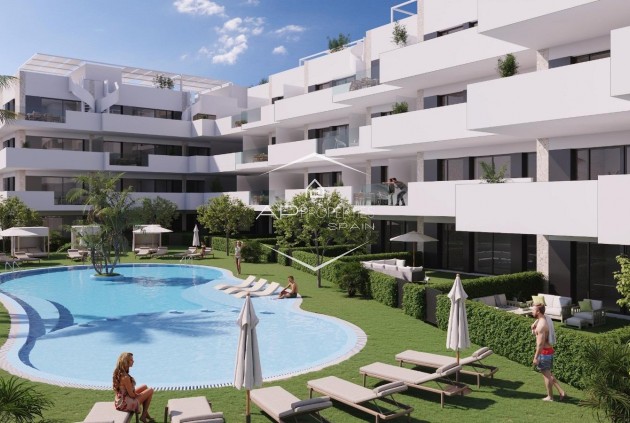
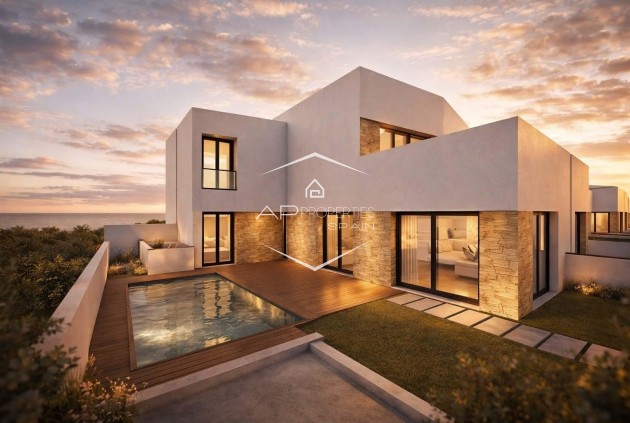
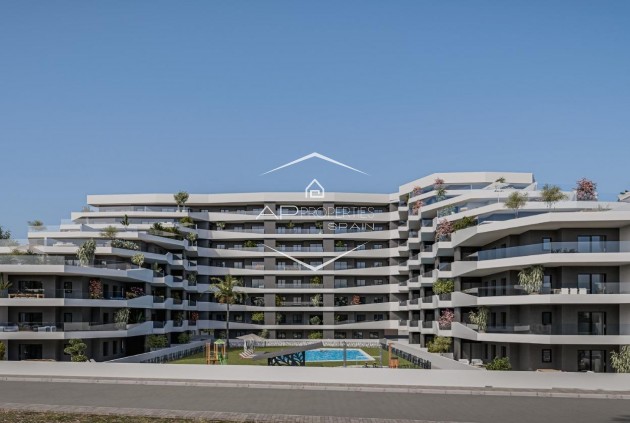
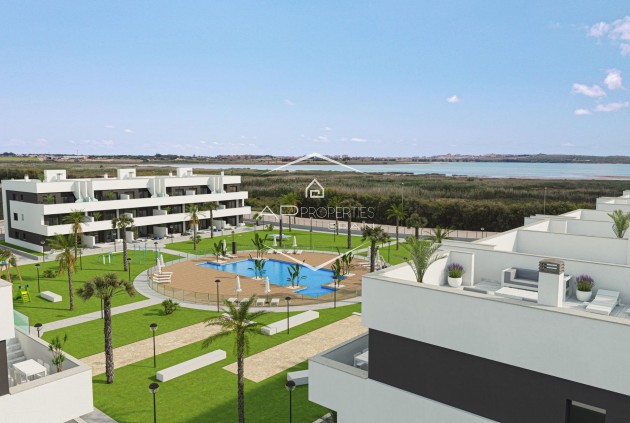
Deciding to buy property on the Costa Blanca is more than just an acquisition; it’s an investment in a lifestyle defined by sun, sea, and an exceptional quality of life. This iconic Spanish coastline presents a rich tapestry of options, from chic, modern apartments in bustling cities like Alicante to secluded, luxury villas with sea views in exclusive spots like Jávea. It’s no wonder it remains a top choice for international buyers.
Your Guide to the Costa Blanca Property Market in 2026

Welcome to the first step in making the sun-drenched Costa Blanca your home. This region has long been a favourite for international buyers, second-home seekers, and astute investors, and 2026 is proving to be a particularly interesting year to enter the market.
The appeal is easy to grasp. With over 200 kilometres of Mediterranean coastline, the area offers a vibrant lifestyle that caters to every taste imaginable. Whether you’re drawn to the lush, family-friendly towns of the north or the accessible, lively hubs of the south, there is a corner of this paradise waiting for you.
Current Market Dynamics
The Costa Blanca property market isn’t just holding steady; it's thriving. Recent trends reveal robust growth that sets it apart from many other European destinations. This isn’t a market built on fleeting fads but on solid fundamentals: lifestyle appeal, easy accessibility, and consistently strong international demand.
A clear indicator of this strength comes from recent price surges. As of mid-2025, the Alicante province—the heart of the Costa Blanca—recorded a remarkable 14.8% year-on-year increase in property prices. This performance easily outpaced the national average, catching the eye of savvy global buyers.
This trend was even more pronounced across the wider Valencian Community, which saw a 16.3% price jump between April 2024 and April 2025, partly fuelled by earlier interest rate changes that spurred a buying frenzy. Alicante city led the charge with an 18.2% annual increase, pushing prices to €2,265 per square metre. For anyone looking to buy property on the Costa Blanca, this data confirms that a purchase here is not just a lifestyle choice but a sound investment. In fact, around 80% of transactions fall in the accessible yet upscale €180,000 to €450,000 range.
A key takeaway for any prospective buyer is the market's momentum. Waiting on the sidelines could mean paying significantly more later. The current climate presents a window of opportunity before prices climb further.
A Personalised Approach to Your Purchase
Understanding these market dynamics is crucial, but successfully navigating them requires real expertise. As a boutique consultancy with award-winning experience, we specialise in a discreet, personalised service. We firmly believe that finding the right property is about more than just square metres and price tags; it’s about matching a home to your unique financial goals and lifestyle aspirations.
Our role is to be your personal guide, providing the insights you need to make confident decisions. We can help you discover that modern villa in Jávea or chic apartment in Alicante that feels like it was made just for you. By truly understanding what you want to achieve, we turn the complex process of buying property abroad into a seamless and rewarding experience.
Finding Your Ideal Location in the Costa Blanca
Of all the decisions you'll make when buying property in Spain, where you choose to buy is by far the most crucial. The Costa Blanca isn’t a single, uniform stretch of coast; it's a rich tapestry of unique towns and villages, each with its own personality, pace, and lifestyle. The key to a successful purchase—and a happy life here—is finding the spot that feels like it was made just for you.
The city of Alicante serves as the unofficial dividing line for the region. To the north, you'll find a greener, more rugged coastline with dramatic cliffs plunging into the sea. To the south, the landscape softens into flat plains, long sandy beaches, and famous salt lakes. Let's explore what makes each area unique.
The Exclusive Charm of the Costa Blanca North
The northern part of the Costa Blanca has a reputation for being more exclusive and tranquil. It’s a magnet for buyers who value natural beauty, a strong sense of community, and a touch of luxury.
- Jávea (or Xàbia): It’s no surprise that Jávea is a top choice for international families. It’s perfectly balanced with three distinct zones: the historic Old Town, the lively Port, and the sandy Arenal beach. If you’re a family with an eye on top-tier education, Jávea’s proximity to excellent international schools makes it an incredibly practical and desirable location.
- Moraira: Often called the ‘Spanish Hamptons’, Moraira is the definition of understated elegance. The town has actively resisted high-rise development, preserving its soul as an upmarket fishing village. With its beautiful marina, chic boutiques, and world-class restaurants, it’s the perfect retreat for a retired couple seeking sophistication and peace away from the madding crowds.
- Denia: As a larger, more authentically Spanish town, Denia is buzzing with life all year round. It’s a place that has it all: a historic castle overlooking the town, a working port with ferry connections to the Balearic Islands, and a culinary scene that has earned international acclaim. This is the spot for anyone who wants to dive headfirst into Spanish culture while still enjoying the perks of a sophisticated marina.
- Calpe: You’ll know Calpe when you see it, thanks to the iconic Peñón de Ifach rock that dominates the skyline. The town brilliantly mixes the atmosphere of a traditional fishing port with modern tourist facilities and long, inviting sandy beaches. It's a firm favourite for holidaymakers and full-time residents alike.
The Vibrant Energy of the Costa Blanca South
Head south of Alicante, and the vibe changes. The landscape opens up, and you’ll find modern resorts, fantastic value, and a lively, sun-drenched atmosphere. This area is a huge draw for second-home buyers and anyone looking for an energetic and accessible lifestyle.
A key difference is the pricing and market dynamics. We see this play out in the numbers every day.
In upscale Moraira, for instance, prices often sit between €2,500 and €4,500 per square metre, drawing buyers to its exclusive villas. In neighbouring Jávea, the range is often a bit higher at €3,000 to €5,000 per m², where premium apartments and sprawling villas cater to a discerning international crowd. While Calpe averages around €2,800 per m², its best villas can easily reach €4,500 per m². In stark contrast, a southern hub like Torrevieja offers incredible value, averaging €2,327 per m², making it a go-to for budget-conscious buyers. With regional averages sitting at €2,860/m² for apartments and €2,565/m² for houses, the forecast for 2026 points to a healthy 4-6% annual appreciation in these prime locations.
- Torrevieja: This is one of the South's most famous towns, known for its therapeutic salt lakes, a vibrant promenade, and bustling nightlife. It offers an incredible range of properties at very competitive prices, making it a hotspot if you want to buy property on the Costa Blanca without breaking the bank.
- Guardamar del Segura: Famous for its incredible 11 kilometres of pristine, fine-sand beaches buffered by a protected pine forest, Guardamar has a more relaxed feel than its southern neighbours. It’s a dream for nature lovers and anyone who wants direct access to some of Spain's best beaches right on their doorstep.
- Orihuela Costa: This isn't one town but a whole stretch of coastline made up of well-known communities like Playa Flamenca, La Zenia, and Villamartín. It's a modern, purpose-built destination that has become a world-class hub for golf lovers, thanks to its championship courses, and shoppers, with the massive La Zenia Boulevard. It attracts a huge and diverse international community.
Deciding between the North and South really comes down to your personal vision. Are you looking for rugged coves and a quieter, more established community, or are you drawn to wide-open beaches, modern amenities, and a buzzing social scene?
To help you get a clearer picture, here’s a quick comparison.
Costa Blanca North vs South At a Glance
| Feature | Costa Blanca North (e.g., Jávea, Denia) | Costa Blanca South (e.g., Torrevieja, Orihuela Costa) |
|---|---|---|
| Landscape | Rugged, green, mountainous with dramatic cliffs and coves | Flatter terrain with long, wide sandy beaches and salt lakes |
| Atmosphere | More tranquil, established, and often seen as more exclusive | Lively, energetic, modern, and very international |
| Property Types | Larger villas with private pools, luxury apartments, traditional fincas | Modern apartments, townhouses in communities, new-builds |
| Price Point | Generally higher, with a focus on the luxury market | More affordable, offering excellent value for money |
| Vibe | Understated luxury, authentic Spanish towns, strong local community | Bustling resort feel, purpose-built communities, major expat hub |
| Best For | Families, retirees, and buyers seeking privacy and natural beauty | Second-home buyers, investors, golfers, and sun-seekers |
Ultimately, both regions offer an incredible quality of life. The best way to know for sure is to come and experience them for yourself. Nothing beats walking the streets, breathing the air, and getting a feel for the local rhythm.
Mastering The Spanish Property Purchase Process
So, you have a better idea of your perfect location. Now it’s time to pull back the curtain on how the actual purchase works. Successfully buying property on the Costa Blanca is all about understanding the key stages and being prepared. Think of this as your playbook for a smooth, confident, and secure transaction.
The process isn't overly complicated, but it is specific. It follows a set of steps designed to protect both you and the seller. Knowing what to expect at each turn will empower you to make sound decisions and sidestep common pitfalls.
The Foundational First Steps
Before you even think about making an offer, there are two crucial tasks every foreign buyer must tick off the list. Consider them your entry ticket to the Spanish property market; without them, the process simply can't move forward.
- Get Your NIE Number: The NIE (Número de Identificación de Extranjero) is your official identification number in Spain. You legally cannot buy a property, open a bank account, pay taxes, or even set up utility contracts without one. This is your absolute first priority. Your lawyer or a specialist agency can help you with the application, which can be done in Spain or at a Spanish consulate in your home country.
- Open a Spanish Bank Account: All the money for the property purchase, from the deposit to the final payment, must pass through a Spanish bank. This is also the account you’ll use for future direct debits like utility bills and local taxes. Once you have your NIE, opening an account is quite straightforward.
Getting these two sorted early shows sellers you’re a serious, organised buyer. In a competitive market, that gives you a real advantage.
From Offer to Reservation Contract
Once you’ve found a property you love, the transaction kicks into gear. The first move is to make a formal offer, usually handled by your real estate agent. If your offer is accepted, you’ll move quickly to secure the property with a reservation agreement.
This contract, known as the Contrato de Reserva, is a simple document that takes the property off the market for a set time, typically 30 days. To do this, you'll pay a small reservation deposit, usually between €3,000 and €6,000, which is held securely by the agent or your lawyer.
This reservation period is absolutely critical. It gives your lawyer the time they need to conduct all the legal checks on the property before you commit to the main purchase contract and pay the full deposit.
This flowchart maps out the typical journey, from defining your search criteria in the north or south to the key legal milestones.

As the visual shows, whether you start your search in the mountainous north or the beach-lined south, the core legal and financial steps are the same—and they are all essential for a secure purchase.
Essential Legal Due Diligence
During that reservation period, your lawyer gets to work. Their job is to make sure the property you want is free of any legal problems, debts, or hidden surprises. This is, without a doubt, the most important stage for protecting your investment.
Key checks your lawyer will run include:
- Verifying Ownership: They’ll confirm the seller is the legal owner and has the full right to sell the property.
- Checking the Nota Simple: This is an official report from the Property Registry that gives a snapshot of the property's legal health. It lists the registered owner, describes the property, and, crucially, reveals any debts, mortgages, or liens against it.
- Confirming Planning Permissions: Your lawyer ensures the property was built legally and that any extensions or the swimming pool have the correct permits. It's surprising how many older properties on the Costa Blanca have un-declared works, which can become a major headache later on.
- Checking for Outstanding Debts: They will verify that all utility bills, community fees, and local taxes (like the IBI) are fully paid. In Spain, debts are tied to the property, not the owner. Any outstanding bills could become your responsibility if they aren't caught and settled before you complete the purchase.
The Main Private Purchase Contract
Once your lawyer gives you the all-clear, you move on to the main private purchase contract, or Contrato Privado de Compraventa. This is a legally binding agreement between you and the seller that lays out all the terms and conditions of the sale.
When you sign this, you'll pay a deposit, typically 10% of the purchase price, minus the reservation fee you’ve already paid. This contract also sets the final completion date—the day you’ll go to the notary's office, pay the remaining balance, and finally get the keys to your new home on the Costa Blanca.
Budgeting For Your Purchase: The Hidden Costs, Taxes, and Fees
Let's talk numbers. When you're ready to buy a property on the Costa Blanca, the price you agree with the seller is just the beginning. A smooth, stress-free purchase is always a well-budgeted one, and that means getting a firm handle on all the extra costs right from the start.
As a solid rule of thumb, you should plan for an additional 10-15% of the property’s purchase price to cover all taxes and fees. This buffer is crucial—it covers every transactional cost and makes sure there are no nasty financial surprises when you get to the notary.
For instance, if you fall in love with a villa and agree on a price of €300,000, you should really have between €330,000 and €345,000 available to see the purchase through. Having this full amount ready not only prevents headaches but also signals to sellers that you are a serious, well-prepared buyer, giving you a much stronger negotiating position.
The Main Taxes: New-Build vs. Resale
The biggest slice of these additional costs will be property taxes. The exact tax you’ll pay depends on one key factor: are you buying a brand-new home from a developer or a resale property from a private owner?
- Resale Homes - Property Transfer Tax (ITP): When you buy a pre-owned property, you'll pay ITP, or Impuesto de Transmisiones Patrimoniales. Here in the Valencian Community, it’s a straightforward 10% of the purchase price declared in the title deeds.
- New-Builds - VAT (IVA) & Stamp Duty (AJD): If you’re the very first owner of a new-build, you don't pay ITP. Instead, you pay 10% VAT (IVA in Spanish) directly to the developer. On top of that, there's an additional tax called Stamp Duty, or Actos Jurídicos Documentados (AJD), which is 1.5% in our region. This brings the total tax on a new property to 11.5%.
The key takeaway here is simple but significant: buying a new-build property costs you 1.5% more in taxes than a resale home of the exact same value. It's a critical detail to factor into your calculations.
Additional Professional and Registry Fees
Beyond the main taxes, a few other essential services are needed to secure your purchase. These aren't optional—they are the fees that ensure your transaction is handled legally, is officially recorded, and ultimately protects your investment.
Notary Fees (Notaría)
The notary is an independent public official who oversees the final signing of the title deeds (Escritura de Compraventa). They verify everyone's identity, witness the final payment, and ensure the documents comply with Spanish law. Their fees are regulated by the government and usually fall between €600 and €2,000, based on the property's price and complexity.
Property Registry Fees (Registro de la Propiedad)
Once the deeds are signed at the notary, your ownership isn't final until the property is officially registered in your name at the local Land Registry. This is the crucial step that provides legal proof you are the new owner. These fees are also set by an official scale and typically range from €400 to €1,500.
Legal Fees (Abogado)
As we've stressed before, hiring your own independent lawyer (abogado) is non-negotiable for a safe purchase. Their entire job is to look out for your interests—conducting all the legal checks, reviewing contracts, and guiding you through the whole process. Legal fees for property purchases are typically around 1% of the purchase price, plus VAT (IVA is currently 21%). This is the best money you'll spend for total peace of mind.
It’s essential to budget for all these costs from day one to have a realistic picture of your total investment. Below is a clear breakdown of what to expect.
Estimated Buying Costs on the Costa Blanca
| Cost/Tax | Typical Percentage/Amount | Notes |
|---|---|---|
| Property Tax | 10% or 11.5% | 10% ITP for resale, or 10% IVA + 1.5% AJD for new-builds. |
| Legal Fees | 1% (+ 21% IVA) | For your independent lawyer to conduct due diligence. Essential for protection. |
| Notary Fees | €600 - €2,000 | Varies based on the property price. Fixed by a government scale. |
| Land Registry Fees | €400 - €1,500 | For officially registering the property in your name. |
Let's walk through a real-world example to see how this adds up. Imagine you're buying a €300,000 resale villa on the Costa Blanca.
Here's the breakdown:
- Purchase Price: €300,000
- Transfer Tax (ITP) at 10%: €30,000
- Legal Fees (1% + 21% IVA): €3,630
- Notary Fees (Estimate): €1,000
- Property Registry Fees (Estimate): €800
- Total Estimated Cost: €335,430
As you can see, the "extra" costs come to €35,430, which is about 11.8% on top of the purchase price. Knowing this upfront empowers you to search for properties and make offers with true confidence.
Getting the Keys and Starting Your New Life in Spain

The final step in your property journey is one of the most memorable: completion day. In Spain, this is known as the Firma, and it's the day you officially become a homeowner. It all happens at the notary's office.
This is the final milestone. You'll gather with your lawyer, the seller, and their representatives to sign the public deed of sale, the Escritura Pública de Compraventa. The notary reads the deed aloud, confirming every detail is correct. Your lawyer is right there by your side, double-checking that everything matches what was agreed.
Once all signatures are on the page, the final payment is made—usually with a banker's draft. Then comes the moment you've been waiting for: the seller hands you the keys. The property is now yours.
What Happens Right After Completion?
That feeling of unlocking your new front door for the first time is incredible. But the work isn't quite over. Now, the practicalities of setting up your new home begin. While your lawyer will handle the immediate administrative tasks, it’s good to know what’s happening behind the scenes.
A few crucial post-purchase tasks will be set in motion:
- Property Registration: Your lawyer will register the new deed at the Land Registry, officially stamping your name on the property.
- Tax Payments: They will also handle the payment of your property transfer taxes (ITP for resale or IVA/AJD for new builds).
- Utility Transfers: The contracts for water, electricity, and gas must be moved into your name. You'll need your NIE and a Spanish bank account for the direct debits.
- Setting up IBI: You’ll be registered with the local council (Ayuntamiento) to pay the annual property tax, known as IBI.
Getting these fundamentals sorted out quickly is the key to a hassle-free start. A good legal team will have a streamlined process for this, making the transition feel seamless.
Securing and Personalising Your New Home
With the paperwork under control, you can turn your attention to making the house feel like home. This starts with practicalities like arranging home insurance—absolutely essential for protecting your investment—and perhaps installing an alarm system for peace of mind, especially if it’s a second home.
This is also a great moment to reflect on the long-term value of your purchase. The market outlook is strong, with experts predicting a healthy 3-5% annual price appreciation across the Alicante province for 2026. This steady growth is ideal for protecting your capital from inflation without creating market bubbles. This sentiment is echoed in wider forecasts, predicting significant growth for coastal lifestyle markets driven by powerful international demand.
For many new owners, this is when the vision for their property truly begins to take shape. Whether you bought a resale home that needs modernising or a new-build you want to put your stamp on, now is the time to plan those changes.
This could be a small project, like a fresh coat of paint and some new décor, or a much larger undertaking.
Popular Renovation Projects Often Include:
- Modernising an old kitchen or bathroom.
- Building an outdoor kitchen or BBQ area for that authentic alfresco lifestyle.
- Upgrading windows and doors for better energy efficiency.
- Landscaping the garden to create your own private oasis.
Turn-Key Solutions and Renovation Management
If you have big plans for your property but are trying to manage the project from abroad, the logistics can feel overwhelming. This is where a strong support network becomes invaluable.
We can connect you with our trusted architects, builders, and interior designers who specialise in working with international clients. They can coordinate the entire renovation, from drawing up plans and securing building licences to managing the construction and adding the final finishes.
This kind of "turn-key" service transforms the property into your dream home, ready for you to enjoy the moment you arrive, without any of the stress. It ensures your new home in the sun not only meets your expectations but far surpasses them.
Your Costa Blanca Property Questions Answered
As you get closer to buying a property on the Costa Blanca, you’ll naturally have questions. The process here is different from what you might be used to back home, with its own terminology and steps. We hear the same queries from international buyers all the time, so we’ve put together some clear answers to give you the confidence you need.
Do I Really Need a Spanish Lawyer to Buy Property?
Let’s be direct: yes. While it’s not a legal requirement, buying property in Spain without your own independent lawyer is a risk you simply shouldn't take.
A good abogado (lawyer) specialising in Spanish property law works only for you. Their job is to protect your interests, not the seller's or the agent's. They'll perform deep due diligence—checking for hidden debts, verifying planning permissions, and making sure every contract is watertight. We insist our clients have their own legal representation and can connect you with trusted, multilingual lawyers who have a proven history of protecting their clients.
What Is a NIE Number and Why Is It So Important?
The NIE (Número de Identificación de Extranjero) is your official foreigner identification number in Spain. You can’t do much without it. It's essential for almost any major transaction.
Legally, you need an NIE to buy property, open a bank account, pay taxes, get a mortgage, or even set up utility contracts. It's one of the first things to sort out. You can apply at a specific police station in Spain or through a Spanish consulate in your home country. The paperwork can be a bit tricky, but we or your lawyer can guide you through it—or handle it completely with a power of attorney.
Getting your NIE sorted early sends a powerful message to sellers that you're a serious, well-prepared buyer. In a competitive market, that little piece of paper can give you a real edge during negotiations.
Can I Get a Mortgage in Spain as a Foreigner?
Absolutely. Spanish banks are very familiar with lending to non-resident buyers. As a general rule, they will finance up to 60-70% of the property’s official valuation, which might not be the same as the purchase price.
The application process is thorough, and you’ll need to pull together a fair bit of paperwork:
- Proof of your income (payslips, tax returns)
- A recent credit report from your home country
- Statements showing your existing assets and debts
Since gathering these documents can take time, we always advise starting the conversation with a Spanish bank or a good mortgage broker early on. Getting mortgage pre-approval is a game-changer. It defines your exact budget and shows sellers you’re a buyer who can move forward without financial hold-ups.
What Are the Ongoing Costs of Owning a Property?
Budgeting for the purchase is only half the story. It's just as important to understand the annual running costs of your Spanish home to avoid any surprises later.
Here are the main recurring expenses you'll need to plan for:
- IBI Tax: This is the annual council tax, calculated on the property’s official taxable value, or valor catastral.
- Community Fees: Known as gastos de comunidad, these fees are for maintaining shared facilities like pools, gardens, or lifts in an apartment building or urbanisation.
- Non-Resident Income Tax: Even if you don’t rent out your property, the Spanish tax office requires you to pay an annual "imputed" income tax, which is also based on the valor catastral.
- Utilities and Insurance: Your standard bills for electricity, water, and internet, plus home and contents insurance.
A good rule of thumb is to budget roughly 1-2% of the purchase price to cover these annual costs, not including your personal utility bills. This simple calculation helps ensure you can enjoy your home in the sun, completely stress-free.
At AP Properties Spain, we do more than just help you find a house; we guide you through every step of your journey to ensure you find a home that perfectly matches your lifestyle and investment goals. Our award-winning, personalised approach is designed to make the process of buying property on the Costa Blanca seamless and secure. If you’re ready to take the next step, explore how our expertise can assist you on appropertiesspain.com.
Share