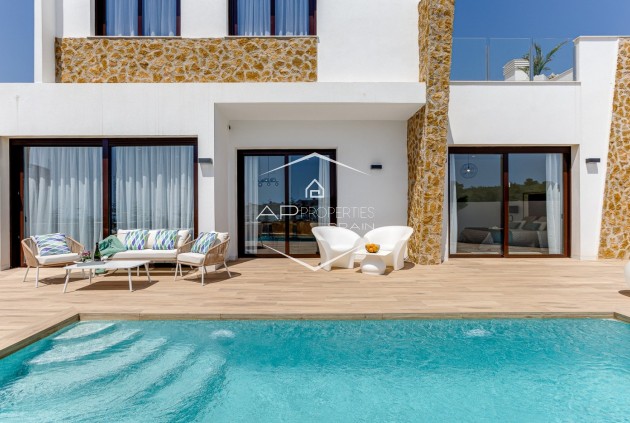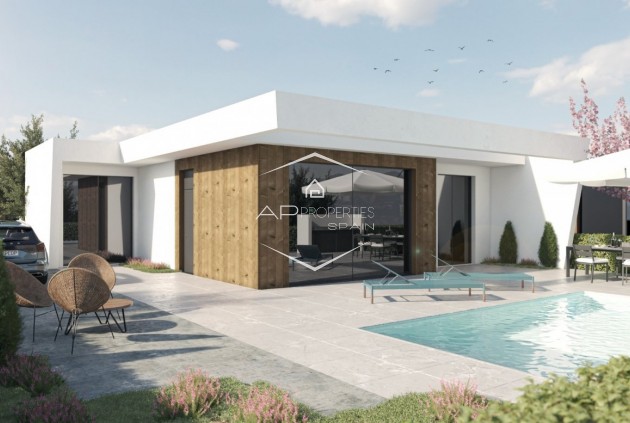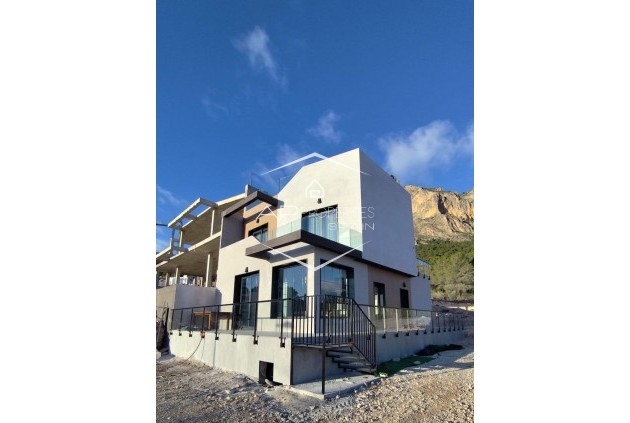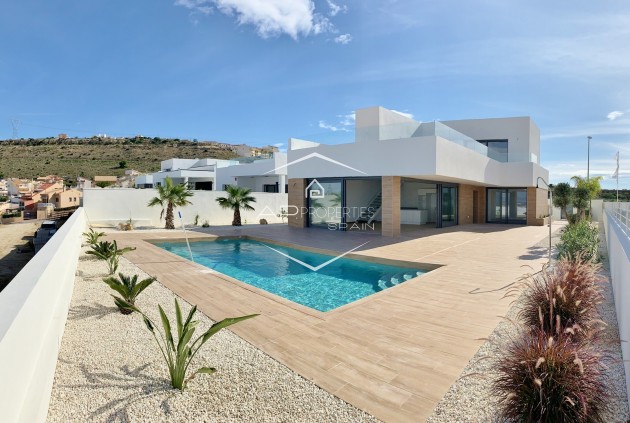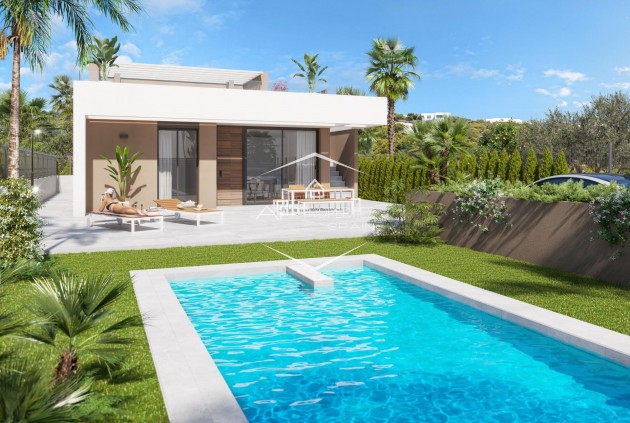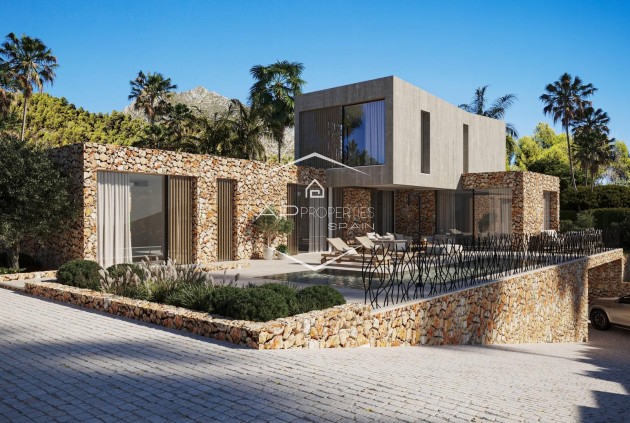






Exclusive Southern Spain Villas for Sale 2026
You have probably done the same thing most overseas buyers do first. You save a few villas, compare sea views, check flight routes, then hit a wall. The photos look easy. The buying process does not.
That gap matters. A villa in Spain is not a casual purchase, especially if you want the right coast, the right legal structure, and the right long-term value. If you focus only on glossy listings, you usually pay too much, buy in the wrong micro-location, or miss better opportunities a short drive away.
The smarter approach is to treat southern spain villas for sale as a regional strategy, not a single search term. That is why serious buyers are looking beyond the most crowded stretch of the market and assessing Costa Blanca, Costa Cálida, and Costa de Almería on their own merits.
Your Dream Spanish Villa A Practical Guide to Making It Real
A familiar scenario. You start with a lifestyle goal. Morning sun, outdoor dining, a pool, privacy, and enough space for family or guests. Then the practical questions arrive. Which coast suits you? Should you buy resale or new-build? How do you avoid legal mistakes from abroad?
That is where many purchases either become clear or become expensive.

Why buyers are widening their search
The old assumption was simple. If you wanted a villa in southern Spain, you started with the Costa del Sol. That is no longer the only sensible route.
Andalucía accounted for 20% of national home sales in the first eight months of 2025, with a year-on-year sales increase of 16.7%. On the Costa del Sol, average prices reached €3,842 per square metre, up 13.8% year on year according to Global Property Guide’s Spain price history. Strong demand is not the problem. Price pressure is.
My view is straightforward. If you are buying for enjoyment and capital discipline, you should not chase the busiest market by default. You should compare what your budget buys on less saturated southern coasts, where lifestyle quality is still high and competition is less aggressive.
What a practical buyer gets right
A good purchase is rarely just about the property itself. It is about fit.
Ask yourself three questions first:
- How will you use it: Pure holiday home, part-time residence, retirement base, or rental asset.
- How much management do you want: Turnkey modern villa, light cosmetic update, or a deeper renovation project.
- What matters most: Walkability, rental potential, year-round living, privacy, or sea views.
Buy the coast before you buy the villa. The wrong location will frustrate you long after the excitement of completion fades.
The point of this guide is simple. Cut through noise. Focus on the southern coasts where international buyers can still find quality, climate advantage, and more room to make a smart decision. If you approach the search with discipline, the dream becomes much more achievable, and much less risky.
Choosing Your Coast The Best Regions for Villa Buyers
The right coast depends on how you want to live. Not every buyer needs the same atmosphere, and not every villa market behaves the same way. If you lump southern Spain together, you make poor decisions.

Costa Blanca for established infrastructure and broad choice
Costa Blanca works well for buyers who want a mature international market with strong amenities and a wide range of property styles.
The north generally appeals to buyers who prioritise scenery, elevation, and more architectural individuality. Areas around Altea, Moraira, Jávea, and Denia tend to suit people who want a polished second-home lifestyle and are willing to pay for location and presentation.
The south is more mixed and often more flexible on budget. Buyers looking at Alicante province, Guardamar, Torrevieja, Orihuela Costa, and inland-connected coastal zones often find more variation in stock, including resale villas that can be improved.
Costa Cálida for calm living and year-round usability
Costa Cálida is a strong choice for buyers who want a slower rhythm without giving up coastal access. The Mar Menor area has a distinct appeal for people who value gentle day-to-day living, wellness-focused surroundings, and practical year-round use.
This market tends to attract buyers who are less interested in social visibility and more interested in comfort, climate, and manageable ownership. If your version of Spain is terrace lunches, easy beach access, and less crowd pressure, Costa Cálida deserves serious attention.
Costa Cálida records over 3,000 hours of sunshine per year, while southern Costa Blanca sees around 320 sunny days annually. That climatic edge contributes a 15% to 25% valuation premium for coastal villas compared with inland equivalents.
That is not just lifestyle language. Climate affects use, season length, and rental appeal.
Costa de Almería for buyers who want space and upside
Costa de Almería is the least discussed of the three, which is precisely why it deserves a place on your shortlist.
It suits buyers who value a more unspoilt setting, lower density in many areas, and a sense that they are not entering a market already over-exposed to international demand. The natural setting often feels more prominent here. The coastline can be more rugged, the setting more understated, and the overall experience less curated.
That will not appeal to everyone. Some buyers want polished resort infrastructure on the doorstep. Others want authenticity, more breathing room, and a market that still feels less picked over. If you are in the second group, Almería is worth your time.
A simple decision framework
Use this as a working filter:
| Region | Best for | Typical buyer mindset |
|---|---|---|
| Costa Blanca | Amenity-rich living and broad stock | Wants options, services, and established international communities |
| Costa Cálida | Relaxed year-round lifestyle | Prioritises calm, climate, and manageable ownership |
| Costa de Almería | Space and less saturated surroundings | Seeks value, authenticity, and longer-term upside |
My recommendation by buyer type
- For a refined holiday base: Start with north Costa Blanca.
- For steady personal use with less noise: Look hard at Costa Cálida.
- For buyers who dislike overhyped markets: Put Costa de Almería on the shortlist early.
If two villas seem similar on paper, choose the coast that matches your routine. You will feel the difference every week you own it.
Understanding Villa Prices and Types in Southern Spain
Once the region is clear, the next issue is product. Buyers often search by budget only, which is a mistake. In southern Spain, price is tied to property type, exact position, condition, and how much work you are willing to do after completion.

The main villa categories that matter
Most buyers end up choosing between three broad routes.
New-build villas
These suit buyers who want clean design, energy efficiency, low early maintenance, and immediate usability. You pay for convenience and specification.
They are often the easiest option for overseas buyers who want a simple purchase and minimal post-completion coordination. The trade-off is obvious. Less room for value creation.
Resale villas
This is the most varied segment. Some are fully modernised. Others are structurally solid but visually dated.
Resale stock can be a strong option if you care more about location, plot, or view than perfect finishes. In many cases, a dated kitchen or tired bathrooms matter far less than a good setting.
Fincas and character properties
These appeal to buyers who want privacy, land, and a less standard product. They are lifestyle purchases first.
They can be excellent homes. They can also be more demanding to assess, maintain, and adapt. If you want simplicity, do not romanticise them.
Where buyers often miss value
Luxury listings dominate attention, but that is not where every intelligent purchase sits.
Villas under €200,000 in areas such as Rojales on the Costa Blanca can deliver 15% to 20% higher rental yields after renovation than luxury properties according to Idealista’s southern Spain villa listings commentary. That matters for buyers who are comfortable improving a property rather than paying upfront for someone else’s finish choices.
This is the segment most casual buyers ignore. They see a cheaper villa and assume compromise. Often the smarter interpretation is opportunity.
What drives value
A villa’s price is usually shaped by a handful of practical factors:
- Distance to the coast: Not just sea view, but convenience of use.
- Micro-location: Main road exposure, slope, neighbouring plots, and orientation matter.
- Plot usability: Flat usable land is different from awkward land.
- Build quality: Cosmetic staging can hide weak specification.
- Renovation potential: Some homes need style updates. Others need deeper work.
A villa with average décor in a strong location is usually a better buy than a stylish villa in a compromised setting.
If you are comparing southern spain villas for sale, do not ask only, “Which one looks better today?” Ask, “Which one gives me the strongest combination of use, resale appeal, and improvement potential?” That question leads to much better decisions.
The Step by Step International Buying Process
You find a villa near Moraira, San Juan de los Terreros, or La Manga that looks right on the first visit. The terrace works. The pool is private. The asking price looks sharper than what you have seen on the Costa del Sol. That is the point where disciplined buyers slow down and follow a clear process.
Spain rewards buyers who get the order right. It punishes buyers who rely on casual assurances, sign too early, or assume every detached villa is legally straightforward.
Set up the purchase before you start negotiating
Get your paperwork and ownership structure sorted first.
You will usually need an NIE, the foreigner identification number used for legal and financial transactions in Spain. Open a Spanish bank account early as well. It makes deposits, completion funds, utility setup, and ongoing ownership payments much easier to manage.
If you are buying with a spouse, partner, sibling, or business associate, decide how title will be held before you reserve anything. That choice affects inheritance, tax planning, and what happens if one owner wants to sell later.
Filter the search with discipline
A long shortlist is usually a sign of weak criteria.
Buyers looking across Costa Blanca, Costa Cálida, and Costa de Almería need a tighter brief because the value proposition changes by area. One buyer wants walkable coastal use with low upkeep. Another wants a larger plot and renovation margin inland. Another wants a holiday home that can also let well in peak season. Those are different searches and they should not be mixed.
Set these points before you book viewings:
- Primary use: Holiday base, full-time living, retirement, rental income, or a mix.
- Must-haves: Single-level layout, sea view, guest annex, privacy, walkability, or school access.
- Deal-breakers: Road noise, awkward plot shape, too many stairs, poor sun orientation, or high maintenance gardens.
Fewer viewings. Better decisions.
Inspect villas like an owner
International buyers often assess a villa the way a guest would. That is expensive.
During the viewing, focus on how the property works in daily use. Check access, parking, privacy, storage, drainage, sun exposure, wind exposure, and how the outdoor areas connect to the house. In southern Spain, especially in value-led areas outside the Costa del Sol, practical performance matters more than styling.
Write notes right after each visit. By property number five, memory becomes unreliable and staged interiors start to blur together.
Agree the offer, then control the reservation stage
Once you choose a property, the usual next step is an offer and then a reservation contract.
Treat that reservation seriously. It takes the villa off the market, but it should never replace legal checks. The document needs clear terms on price, parties, timeframes, and what happens if legal issues appear. A rushed reservation is one of the most common ways foreign buyers lose control of the process.
Put an independent lawyer to work on due diligence
This is the protection point in the purchase.
Your lawyer should confirm ownership, outstanding charges, planning status, registry details, and whether the seller has the legal right to sell. For villas, the checks often go further. Boundaries, pool registration, extensions, terraces, outbuildings, access rights, and licence history all need attention, especially in older homes or properties in less saturated coastal markets where stock can be more varied.
A detached villa needs closer examination than a standard apartment. Accept that and budget for it.
Proper due diligence does not delay a good purchase. It stops you inheriting somebody else’s problem.
Move to the private purchase contract only after the checks are clean
Once the lawyer is satisfied, the transaction usually progresses to a private purchase contract, often called the contrato de compraventa.
This contract sets the price, payment schedule, included items, deadlines, and completion terms. Review it carefully. If you need mortgage finance, confirm timing early. Spanish transactions move smoothly when funds, documents, and legal review are aligned. They become stressful when one of those pieces is still unresolved.
Complete at the Notary with everything prepared in advance
Completion takes place before a Notary, where the public deed, or escritura, is signed.
The Notary formalises the transfer. The Notary does not act as your adviser. That distinction matters. Your lawyer protects your position before completion. The Notary records the legal act of sale.
On completion day, funds are transferred, signatures are made, and keys are released.
Finish the post-completion work properly
Collecting the keys is not the end of the process.
Utilities need to be transferred. Local tax records need updating. Insurance needs to be in place. If the property sits in an urbanisation, you need the community details and payment status confirmed. If you bought for value and plan to improve the villa, this is when renovation planning starts, with budgets, permissions, and contractor scheduling handled in the right order.
Mistakes that cost buyers money
- Confusing presentation with quality. New furniture and good lighting hide defects very effectively.
- Letting roles overlap. The agent, lawyer, and Notary each do a different job.
- Assuming all villas are legally simple. They are not, particularly older detached homes.
- Being casual about timing. Deposits, finance, legal review, and completion dates need proper coordination.
- Buying the wrong region for the wrong goal. A holiday-use villa in Costa Blanca is a different proposition from a yield-led renovation play in Costa Cálida or a lower-entry coastal purchase in Costa de Almería.
Handled properly, the buying process is straightforward. The buyers who do best are the ones who stay methodical after they fall in love with the view.
Legal and Financial Essentials for Buyers
The purchase price is only part of the budget. If you do not plan for taxes, fees, and transaction costs from the start, you create unnecessary pressure later.
Know who does what
Three roles matter, and they are not interchangeable.
The agent
The agent helps identify properties, coordinate viewings, and negotiate practical terms. A good agent also spots red flags early. But the agent does not replace legal advice.
Your lawyer
Your lawyer checks the property, the seller, the documentation, and the contract terms. For overseas buyers, this is the critical protective role.
The Notary
The Notary formalises the deed at completion. The Notary is part of the legal transfer process, but does not act as your personal adviser.
Budget properly from day one
Purchasing costs for buyers in Spain typically add a notable percentage to the property price, especially once taxes and professional fees are included. The exact figure depends on whether you are buying resale or new-build, the region, and the transaction details.
For a resale purchase, buyers usually need to account for Property Transfer Tax (ITP). For a new-build, the tax structure is different and generally includes VAT (IVA) and other associated charges. Notary fees, registry fees, and legal costs also need to be included in your working budget.
A clean way to think about it is this: set your all-in budget first, then search for the villa price that fits inside it. Do not do it the other way round.
Example budget framework
| Expense | Estimated Cost (%) | Estimated Amount (€) |
|---|---|---|
| Property price | Base price | 300,000 |
| Purchase taxes and fees | 10% to 15% | 30,000 to 45,000 |
| Total indicative budget | Combined estimate | 330,000 to 345,000 |
This is a planning table, not a substitute for legal or tax advice. The exact split depends on the property and transaction structure.
Buyers who budget only for the agreed sale price usually end up making rushed compromises on furniture, upgrades, or reserves.
Cash or mortgage
Both routes can work. The better choice depends on your wider finances, not just the property.
Cash gives speed and negotiating simplicity. Mortgage finance can preserve liquidity and spread risk. Non-resident lending is possible in Spain, but it requires preparation and clear documentation. If finance is part of your plan, involve a broker or lender early so you know your limits before offering.
The practical rule is simple. If your finances are structured before you reserve, the transaction feels controlled. If they are not, even a good purchase can become stressful.
Investment Strategy Turnkey Renovations and Future Trends
Buyers who focus only on the asking price usually miss where true value sits. In Costa Blanca, Costa Cálida, and Costa de Almería, the smarter play is often buying in the right pocket of the coast before the wider market catches up, rather than paying a premium in the more crowded Costa del Sol market.

Set the job of the property first
Decide what the villa needs to do. A holiday base, a rental asset, a long-term capital hold, or a mix of the three.
One goal should lead the decision. Buyers who mainly want personal use should prioritise comfort, travel convenience, and year-round livability. Buyers who want income should be far stricter about walkability, maintenance demands, booking appeal, and local rental rules. Trying to optimise every outcome at once usually leads to a compromised purchase.
Turnkey renovations often beat fully finished stock
The best value in these coastal markets is often a resale villa with good fundamentals and dated presentation.
A well-planned renovation gives you control over layout, materials, energy upgrades, and the final standard of the property. It also stops you from overpaying for cosmetic finishes that looked good in a brochure but add little to resale appeal or rental performance. In Costa Blanca South, parts of the Mar Menor, and selected areas of Almería, this approach can open up stronger value than buying a polished villa where the premium has already been built into the price.
Three checks matter:
- The location already works
- The building is structurally sound
- The renovation budget is realistic
If any one of those points is weak, leave it alone.
Rental strategy should stay disciplined
Holiday lets can support running costs, but only if the villa is simple to operate and easy to market.
That means practical access, sensible outdoor space, strong sun orientation, and a layout that suits broad demand. A villa with quirky design decisions, too many maintenance-heavy features, or limited privacy can look attractive on a viewing day and perform badly over time. Buyers looking outside Costa del Sol often have an advantage here. They can still find areas where entry prices leave more room for yield and future appreciation, provided the micro-location is right.
Energy performance will shape future value
Efficiency is now part of investment quality, not a bonus feature.
If you are buying new-build, check the specification in detail. Ask exactly what insulation, glazing, climate systems, solar support, and hot water systems are included. Do not accept vague claims about efficiency.
If you are buying resale, assess what can be upgraded without wasting money. A villa that allows sensible improvements to windows, shading, air conditioning, and energy systems will usually age better in the market than one that looks current today but is expensive to fix later.
New regulations expected over the next few years are likely to tighten energy and building standards further. Buyers should treat that as a practical pricing factor now, especially in sun-exposed coastal areas where cooling costs and summer comfort matter.
Buyers who ignore upgrade potential usually pay for it later, either through higher running costs or weaker resale appeal.
My investment view
For a disciplined international buyer, I recommend one of two routes.
Buy a well-located turnkey villa in an area you will use, or buy a structurally solid resale villa with a clear renovation plan in a proven coastal pocket. Costa Blanca, Costa Cálida, and Costa de Almería offer both options, often with better value than the more saturated Costa del Sol market.
The mistake is paying top-tier pricing for surface-level finish in a second-tier location. Good investments in southern Spain are usually obvious on the fundamentals first. The excitement comes later.
Why Partner With AP Properties Spain for Your Purchase
Buying from abroad requires local judgement, not just listings. You need someone who can assess location quality, flag practical issues, coordinate professionals, and keep the process moving without cutting corners.
That is the value of working with a consultancy that already operates across Costa Blanca, Costa Cálida, and Costa de Almería, rather than one focused on a single narrow pocket of the market. The purchase itself is only one part of the job. Area guidance, shortlist refinement, negotiation strategy, legal coordination, and post-purchase planning all affect the outcome.
For buyers comparing southern spain villas for sale, a key advantage is having informed local oversight from first search to completion. That is especially important if you are weighing resale against new-build, or considering a villa that needs improvement work after purchase.
A well-managed transaction feels calm because someone has already thought through the details.
Frequently Asked Questions About Buying a Villa
Is new-build always the safer choice
No. It is usually simpler, but not automatically better. A good resale villa in the right location can be the stronger purchase, especially if the structure is sound and the improvement path is clear.
Should I buy inland to save money
Only if your lifestyle suits it. Coastal demand and climate advantages are a major part of long-term appeal in these regions. A cheaper inland villa is not a bargain if you end up using it less.
Can I buy remotely without visiting
You can, but I do not recommend committing without either visiting yourself or having a trusted representative inspect in detail. Villas are too location-sensitive for blind buying.
Is a sea view worth paying for
Often yes, but only when the rest of the property works. A sea view does not fix poor access, weak privacy, or a compromised layout.
Do I need a lawyer if the process seems straightforward
Yes. Always. Straightforward transactions still need proper checks. The simpler a deal looks, the more careful buyers should be about verifying the detail.
What is the best first step
Decide on coast, budget, and use case before you contact half the market. Buyers who do this early save time, avoid distraction, and negotiate better.
If you are ready to compare the right coastal areas, shortlist villas that fit your goals, and buy with proper local guidance, speak with AP Properties Spain. We help international buyers secure the right property across Costa Blanca, Costa Cálida, and Costa de Almería with a clear, structured approach.
Share