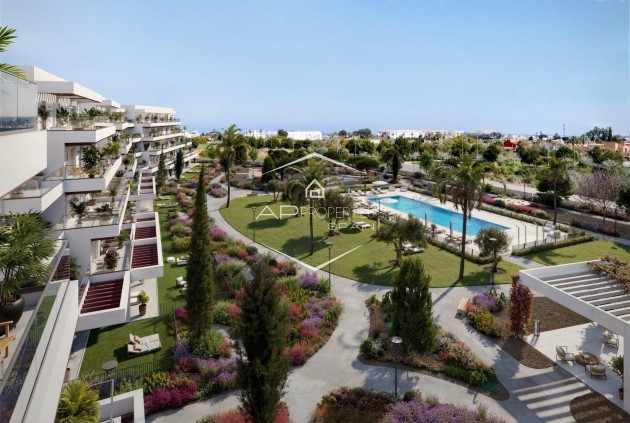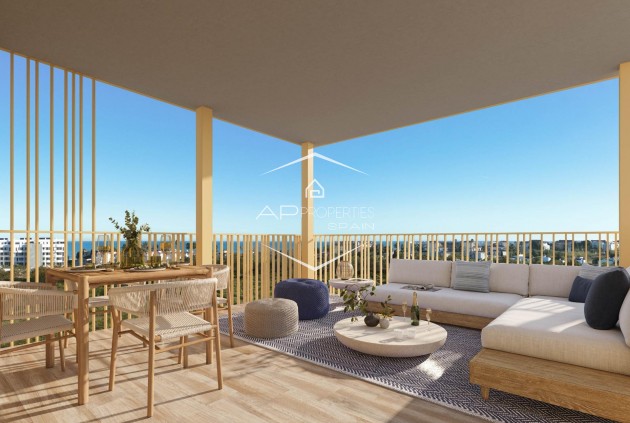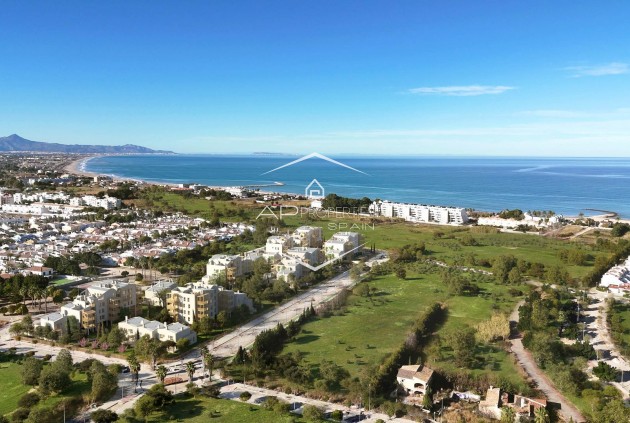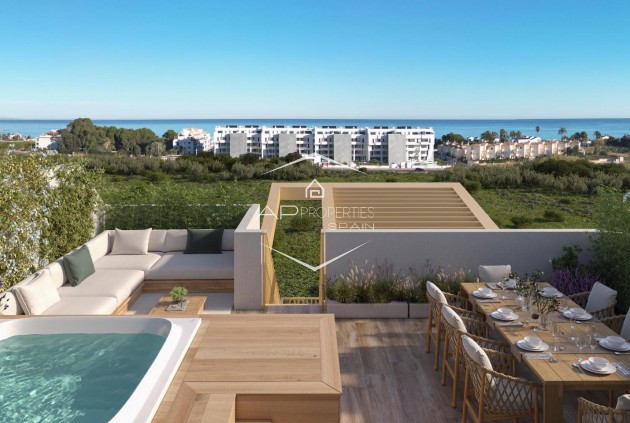






Discover Property For Sale Denia Spain 2026
A lot of buyers arrive in Dénia at the same point. They’ve spent months scanning listings, saving sea-view villas, comparing apartments near the marina, and trying to work out whether this is finally the place to buy. The appeal is obvious. You get Mediterranean light, a working port town with authentic life outside the summer season, beaches that suit both holiday use and year-round living, and a setting that feels more established than many purely resort-driven locations.
The uncertainty is just as present. Buying abroad always sounds simple until legal documents, banking, licences, building checks, and neighbourhood trade-offs start to matter. A home that looks perfect online can feel exposed in person, sit too far from daily amenities, or need more work than the photographs suggest.
For anyone searching property for sale denia spain, the right approach isn’t to start with the prettiest listing. It’s to match lifestyle, holding period, and budget to the right part of town and the right kind of property. Buyers who do that usually avoid the expensive mistakes. Buyers who don’t often overpay for views they won’t use, underestimate renovation scope, or buy in the wrong micro-location.
Your Dream of Owning a Home in Dénia Starts Here
Dénia sells a dream that’s easy to understand and harder to execute. You see the castle above the town, the marina lined with boats, lunch stretching into late afternoon, and homes that seem to sit between mountain and sea. For an international buyer, that combination feels rare because it is. Dénia isn’t only scenic. It’s lived-in, practical, and layered.

Why buyers keep returning to Dénia
Some clients first look at Dénia as a holiday base. Then they realise it can also support longer stays, retirement planning, family use, and income potential. That shift matters. The buying criteria for a two-week summer escape are very different from the criteria for a home you’ll use across the year.
A beachfront apartment may suit convenience. A villa in a quieter residential pocket may suit privacy and entertaining. A townhouse closer to the centre may work better if you want to walk to restaurants, the port, and daily services without depending on a car.
Dénia rewards buyers who choose for authentic living, not just for photographs.
Where dream purchases usually go wrong
The common mistake isn’t lack of enthusiasm. It’s buying too early, based on broad impressions rather than local detail.
A buyer might say they want sea views, then discover they value easy access, low maintenance, and winter sun more than a dramatic position. Another may assume a renovated home is the safest route, only to find that the finishes don’t fit their standards and the layout can’t easily be changed.
That’s why the smartest purchases usually begin with sharper questions:
- How will you use the property. Short breaks, long summers, year-round living, retirement, or rental?
- How much management do you want. Lock-up-and-leave convenience or a larger property with grounds and systems to maintain?
- What matters most in daily life. Walkability, privacy, beach access, views, or resale appeal?
Dénia can answer all of those needs, but rarely in the same property. Clarity at the start saves time, money, and frustration later.
Understanding Dénia's Real Estate Market in 2026
A buyer arrives in Dénia expecting a holiday-home market and finds something more disciplined. The strongest stock is no longer priced as a casual coastal purchase. It is priced as lifestyle property with year-round use, limited supply in the best positions, and clear appeal to both private owners and investors.

What the numbers say
House prices in Dénia reached an average of 3,004.37€ per square metre as of 2026, after rising from 2,288.54€/m² in 2022, then 2,412.57€/m² in 2023, 2,606.38€/m² in 2024, and 2,918.35€/m² in 2025.
For apartments, the average stands at 3,088.45€/m² in 2026, with the same source recording continued growth over the preceding years. That matters because the apartment segment attracts different types of demand at once. Some buyers want a lock-up-and-leave base near the beach or port. Others want a property that can perform well for seasonal use and remain easy to resell.
Price growth on its own is only background.
What matters in practice is which part of the market is rising fastest, and why. In Dénia, buyers continue to pay a premium for properties that reduce friction: modern systems, legal clarity, good outdoor space, useful orientation, and locations that work beyond July and August.
Why Dénia has held its position
Dénia benefits from several demand drivers at the same time. It serves second-home owners, retirees, relocating families, and investors who want an asset they would be happy to use themselves. That makes the market more resilient than towns that depend too heavily on one buyer profile or one short season.
The town also has substance. A marina, beaches, established residential areas, and a proper town centre create year-round life. Alicante remains reachable for international travel, and the port-town character gives Dénia a distinct identity that many coastal markets do not have.
That combination supports values, but it also creates a more selective market. Buyers are no longer competing for square metres alone. They are competing for convenience, finish, and position.
Where value is holding
In practical terms, the best-performing homes usually share a few traits. They are easy to live in, easy to maintain, and easy to explain to the next buyer.
| Buyer priority | What usually supports value | What often weakens it |
|---|---|---|
| Lifestyle use | Good orientation, privacy, easy access | Attractive presentation but an awkward daily layout |
| Resale appeal | Modern systems, strong location, broad buyer fit | Highly personalised finishes that narrow demand |
| Letting potential | Sea view, beach access, low-maintenance setup | Difficult access or heavy ongoing upkeep |
| Long-term ownership | Solid construction and upgrade potential | Deferred maintenance and legal uncertainty |
International buyers often gain or lose money based on these considerations. A home can look polished online and still be poorly configured for winter sun, guest flow, parking, storage, or low-maintenance ownership. I see that trade-off regularly in coastal markets. The homes that hold up best over five to ten years are usually the ones that solve daily living well, not the ones that photograph best on first viewing.
Opportunity in 2026
The opportunity in Dénia is selective buying in a market that has already proved its depth. That calls for sharper judgement, not faster judgement.
A smart purchase here usually sits at the intersection of four factors: the right micro-location, a specification that matches how the property will be used, realistic upgrading costs, and a clear exit profile if plans change later. For international buyers, that last point matters more than many realise. A property chosen for lifestyle alone may still be the right purchase, but the best acquisitions also leave room for future resale strength or rental appeal.
This is also why renovation potential deserves closer attention than it usually gets. In Dénia, an outdated property in the right position can outperform a superficially updated one if the layout, orientation, and structure are strong. Buyers who understand that can widen their options and avoid overpaying for finishes that will need to be redone anyway.
Finding Your Perfect Dénia Neighbourhood and Property
Dénia isn’t one uniform market. It’s a collection of micro-lifestyles. Buyers who understand that usually make sharper decisions, because they stop asking, “What’s the nicest home?” and start asking, “What kind of daily life do I want here?”

Choosing the right area
Las Rotes suits buyers who want prestige, privacy, and a more exclusive coastal feel. Homes here tend to attract people who care about quiet surroundings, mature plots, and a villa-led environment rather than a resort atmosphere.
El Montgó appeals to buyers who want elevation, wider views, and larger homes with presence. The trade-off is usually walkability. You often gain outlook and space, but daily errands are less spontaneous.
Les Marines is a different proposition. It suits buyers who value sandy beach access, simpler holiday use, and strong appeal for seasonal letting. Apartments and townhouses can work here for owners who want convenience more than seclusion.
Town centre and port-adjacent areas suit people who want Dénia as a functioning town first and a beach destination second. If you want cafés, shops, restaurants, and marina life within easy reach, this can be the most practical choice.
Match area to ownership style
A simple way to narrow your search is to decide which of these sounds most like you:
- Private villa lifestyle. Focus on Las Rotes or selected parts of El Montgó.
- Holiday lock-up-and-leave use. Look harder at Les Marines and quality apartment schemes.
- Walkable everyday living. Consider the centre and areas near the port.
- Future redevelopment or bespoke build. Search for plots where location quality justifies the project risk.
Property types that dominate buyer interest
Some categories attract attention repeatedly because they solve clear buyer needs.
Luxury villas
These are the flagship homes of Dénia. Buyers choose them for privacy, entertaining space, gardens, pools, and stronger emotional appeal. They make sense for owners who will spend meaningful time in the property and care about specification.
A Las Rotes villa listed by Alegria Real Estate shows what premium stock can look like. The example features a 478 m² build on a 1,000 m² plot, with 7 bedrooms, 4 bathrooms, and a private pool, alongside underfloor heating, reversible hot and cold air conditioning, and double-glazed windows. The source states that these features can command a 15-25% premium in resale value and align with Spain’s CTE energy efficiency standards.
That’s useful because it shows where premium pricing often comes from. Not just location, but technical quality buyers can use.
Apartments
Apartments work for buyers who want manageable ownership, easier short stays, and lower maintenance. The strongest examples tend to offer terraces, lift access, parking, and a clear route to the beach, marina, or town.
They’re often the best fit for owners who don’t want the ongoing responsibility of a detached villa.
Traditional fincas and character homes
These attract buyers who want personality and land rather than polished uniformity. They can be rewarding, but they require discipline. Character without planning, legal, and renovation clarity can become expensive.
Plots and new-build opportunities
This route suits buyers with patience and a very clear vision. The upside is control. The downside is time, project management, and the need to make dozens of small decisions.
Dénia Property Types at a Glance
| Property Type | Description | Ideal For | Typical Price Range |
|---|---|---|---|
| Luxury villa | Detached home with plot, pool, privacy, and premium specification | Families, long-stay owners, prestige buyers | Qualitatively varies by size, location, and specification |
| Apartment | Lower-maintenance home, often suited to holiday use and easy locking up | Second-home buyers, investors, couples | Qualitatively varies by area and specification |
| Terraced house | More accessible entry point with practical living space | First buyers in the area, budget-conscious owners | Qualitatively varies by size, location, and condition |
| Finca or renovation property | Character-led home with scope to personalise | Buyers who value uniqueness and can manage works | Qualitatively varies widely |
| Plot for new build | Land purchase for custom development | Bespoke-build buyers, long-term planners | Qualitatively varies by location and permissions |
South-facing homes, strong internal flow, and efficient climate systems usually age better in the resale market than decorative upgrades alone.
What works and what doesn’t
What works is choosing a property whose strengths match your ownership plan. A sea-view apartment near the beach can outperform a larger inland house if you want effortless use and easier lettings. A villa can be the better choice if privacy and long stays matter more than simplicity.
What doesn’t work is buying a compromise hidden behind one seductive feature. A view doesn’t fix poor orientation. A recent cosmetic refurbishment doesn’t fix a weak layout. A large plot doesn’t guarantee future value if access, sun, and usability are wrong.
Navigating the Property Buying Process in Spain
The Spanish buying process is manageable when it’s handled in the right order. Problems usually start when buyers treat the purchase like a simple reservation exercise rather than a legal and financial transaction with several moving parts.

Start with identity, banking, and representation
Before you negotiate seriously, get your paperwork aligned.
You’ll need an NIE number to buy property in Spain. You’ll also want a Spanish bank account set up early enough to avoid last-minute friction around transfers, utilities, and completion funds.
A good independent lawyer is essential. That lawyer should review title, licences, debts attached to the property, community issues where relevant, and any planning or registration discrepancies. Buyers who skip this step because a listing feels straightforward are taking avoidable risk.
Treat due diligence as the primary purchase stage
The emotional purchase happens at the viewing. The actual purchase happens during checks.
Your lawyer should confirm that the property is correctly registered, that the seller has the legal right to sell, and that what exists physically matches what exists on paper. This matters even more with older villas, extensions, pool areas, and homes that have been altered over time.
Focus on these points:
- Title and registry. The legal description should match the asset you’re buying.
- Planning and licences. Renovations, extensions, and pools need to be reviewed properly.
- Debts and charges. Community fees, local taxes, and other liabilities must be checked.
- Energy and technical condition. Systems, insulation, windows, and heating or cooling setup affect both use and resale.
If a property only works for you once you ignore three legal questions and two practical ones, it doesn’t work.
Understand the contract sequence
In many transactions, the process moves through a reservation stage, then a private contract, then formal completion before a notary.
The exact structure can vary, but buyers should understand what each stage is meant to do. A reservation removes the property from the market. A private purchase contract records the agreed terms. Completion formalises the transfer.
Don’t sign anything casually because “this is how it’s always done”. Every deposit, deadline, and condition must be consistent with the legal advice you’ve received.
Financing needs early realism
Mortgage conversations should start before you feel emotionally committed to one property. Financing often looks possible in principle until valuation, documentation, income evidence, and timing become available.
Financing for non-EU investors through Spanish banks can be available, with terms varying based on individual circumstances and market conditions. Even so, buyers shouldn’t build a plan around the upper edge of what a bank may offer. Conservative financing gives you more room if valuation comes in lower than expected or if a bank takes a stricter view than anticipated.
Costs buyers often underestimate
International purchasers usually focus heavily on purchase price and not enough on acquisition costs and immediate post-completion spending.
A practical budget should account for:
- Taxes on the transaction, which differ depending on whether the property is resale or new build.
- Notary and land registry costs, which are part of formal completion.
- Legal fees, because proper representation is a cost worth paying.
- Immediate works, even in homes sold as ready.
- Furniture, equipment, and setup, especially for buyers starting from scratch.
Completion is not the end of the process
The day you sign is important, but it isn’t the final operational step. Utilities, insurance, community administration, local tax setup, and any post-sale works all need active handling.
That’s one reason international buyers benefit from a coordinated approach. The legal transfer is only one part of owning well in Spain. The practical handover matters just as much.
Investment Insights and Maximising Your Return in Dénia
Dénia can work as a lifestyle purchase and as an investment, but the strategy changes depending on what kind of return you want. Some buyers focus on capital preservation and long-term appreciation. Others want regular seasonal income. The strongest purchases usually leave room for both.
Short-term rental performance
For investors, the clearest current signal comes from the holiday letting market. Driven by a post-2025 tourism boom, Dénia’s average annual rental yields for sea-view apartments reached 6.2%, compared with an EU average of 4.1%. The same source notes peak summer rents of €2,500 per month for a 2-bed apartment in Las Marinas.
That doesn’t mean every apartment will perform equally. It means the right apartment in the right area, with the right presentation and licensing position, can produce a serious return profile.
What tends to let well
Investors often overcomplicate this. In Dénia, the most lettable homes are usually the most usable ones.
Look for:
- Sea-view apartments that are easy to market visually
- Strong beach access without awkward transport logistics
- Low-maintenance layouts that reduce owner friction
- Outdoor space that adds clear holiday appeal
- Modern cooling and heating systems because guest comfort drives reviews and repeat bookings
A sprawling property with higher upkeep can still work, but apartments often produce cleaner operational logic for buyers whose priority is rental efficiency.
Good rental assets aren’t only attractive in August. They also need to be simple to manage in November.
Capital growth still matters
Yield gets attention because it’s immediate. Capital appreciation is quieter, but often just as important.
Dénia’s broader pricing pattern supports the case for holding quality property over time. For investors, that means choosing assets with resale depth, not just seasonal charm. Homes that appeal to both private users and rental guests usually give you a stronger exit route later.
A better investor mindset
Treat Dénia property as a hybrid asset.
Part of the return comes from use. Part comes from income. Part comes from scarcity in the right locations. If you buy solely for headline yield, you may sacrifice long-term buyer appeal. If you buy only for personal taste, you may limit flexibility.
A balanced investment purchase usually has these traits:
| Priority | Smart investor view |
|---|---|
| Location | Favour areas with repeat demand, not novelty alone |
| Specification | Pay for durable quality, not cosmetic trend |
| Compliance | Check rental and property paperwork early |
| Exit strategy | Buy something another buyer will still want |
For high-net-worth buyers considering residency planning, the minimum investment threshold associated with Spain’s Golden Visa is a factor in this investment context. That won’t be relevant for every buyer, but for some it changes the way a purchase fits into a wider international portfolio and lifestyle structure.
From Purchase to Perfection: Renovation and Turn-Key Homes
After acquisition, buyers usually face one of two paths. Buy something finished and move quickly, or buy for potential and shape it properly. Both routes can work. The wrong choice is picking a renovation when you want speed, or paying a premium for turn-key when you’re planning to replace everything anyway.
When turn-key makes sense
A turn-key home suits buyers who want certainty, speed, and less decision fatigue. If you’re relocating, using the property soon after completion, or buying from abroad with limited time on the ground, this route often keeps the experience cleaner.
It also helps when your priorities are operational rather than creative. You want the air conditioning to work, the kitchen to be finished, the terraces to feel complete, and the property to be ready for family use or rental setup without a construction phase in between.
When renovation creates value
Renovation makes sense when the location is strong but the home is under-optimised. That may mean a dated villa in a very good area, a flat with excellent orientation but poor internal flow, or a property where technical upgrades can bring the home closer to current buyer expectations.
The best renovation opportunities usually improve one or more of these:
- Layout efficiency
- Indoor-outdoor connection
- Energy performance
- Long-term resale appeal
- Accessibility and future-proofing
The key is discipline. Renovation only adds value when scope, permissions, and execution are clear.
What international buyers need most
Distance is the present challenge. Choosing tiles isn’t the difficult part. Managing architects, builders, timelines, site decisions, and standards from another country is.
That’s why many international buyers prefer a coordinated process with trusted local professionals handling the moving parts together. In practice, that can include architect introductions, builder coordination, specification review, progress oversight, and handover planning.
The most successful renovation projects begin with restraint. Fix the structure, light, flow, and systems first. Decorative choices come later.
A practical buyer also needs to know when not to renovate. Some homes are worth upgrading. Others are worth avoiding because the required intervention is too broad for the final value or ownership plan.
Essential Tips for International Buyers
International buyers don’t just purchase a property. They purchase a process, a legal framework, and a new set of local habits. The smoother transactions usually come from preparation in areas that have nothing to do with the listing itself.
Protect yourself from avoidable friction
Language is one issue. Timing is another. Banking, translation, legal review, and document turnaround can all slow a purchase if they aren’t prepared in advance.
A few habits make a big difference:
- Keep decision-makers aligned. If more than one person is buying, agree your red lines before you travel for viewings.
- Plan currency movements carefully. Exchange-rate swings can change your effective purchase cost, so don’t leave transfers to chance.
- Visit at more than one time of day. Streets, parking, light, and noise can feel completely different morning to evening.
- Ask operational questions early. Waste collection, access, pool maintenance, and community rules affect daily ownership more than brochures suggest.
Think beyond the first years
A property that suits you now may not suit you later. That’s particularly relevant for retirees, multi-generational families, and buyers who expect to hold for a long time.
Accessibility is a major blind spot in the Dénia market. Fewer than 2.5% of properties are explicitly tagged as accessible, and retrofitting can cost €15,000-€30,000, according to Idealista’s Dénia market context. That makes future-proofing worth considering from the start.
Look for features such as:
- Step-free access where possible
- Wider circulation areas
- Lift access in apartment buildings
- Practical bathroom layouts
- Ground-floor bedroom potential in villas
That isn’t only about later life. It also helps with guests, temporary mobility issues, and resale appeal to a wider audience.
Buy the area, not just the property
International buyers sometimes fixate on interiors because interiors are easy to compare online. The area matters more.
A flawless apartment in the wrong micro-location will keep disappointing you. A well-bought property in the right area can be improved over time.
Buyers rarely regret doing more due diligence. They often regret assuming a good viewing answered every important question.
Begin Your Dénia Journey with AP Properties Spain
A well-bought home in Dénia should still make sense after the excitement of the search has passed. It should fit your lifestyle, hold its value in the right micro-location, and give you clear options if your plans change later, whether that means longer stays, family use, rental income, or resale.
That standard requires more than property alerts and viewings. International buyers usually need local judgement on area selection, clear acquisition strategy, disciplined due diligence, and reliable post-completion support if the property needs updating. The purchase decision and the after-purchase plan should work together from the outset.
That is where AP Properties Spain adds value. Clients benefit from a joined-up process that connects market knowledge, neighbourhood guidance, buying support, and turn-key renovation planning in one place. For buyers who do not live locally, that reduces friction, shortens decision cycles, and avoids expensive mistakes made through fragmented advice.
Dénia rewards careful buyers. The lifestyle is easy to understand. The better results come from understanding why one street outperforms another, why one villa is worth renovating and another is better left alone, and why the right home for personal use is not always the right asset for return.
If you are assessing property for sale denia spain and want focused advice on where to buy, how to structure the purchase, and whether a property should be improved before you use or let it, speak with AP Properties Spain for a confidential conversation built around your goals.
Share