




Inland Villas Spain: Your Guide to 2026 Property
You’re probably in one of two places right now.
You’ve spent months browsing glossy coastal listings and started to notice that the homes you like are either smaller than expected, closer to neighbours than you’d like, or carrying a price tag that doesn’t match the lifestyle you had in mind. Or you already know you want more space, more quiet, and more of the Spain that residents live in, but you’re not yet sure how inland areas work.
That’s where inland villas spain start to make sense. You swap packed promenades for vineyard roads, apartment terraces for private plots, and the constant summer churn for villages that stay themselves all year. Morning starts with coffee in a courtyard or by a pool. Midday might mean working remotely with mountain views. Evenings are often slower, with local restaurants, dark skies, and space to breathe.
The appeal isn’t only emotional. Inland buyers are often trying to solve a practical problem. They want a home that feels generous without stretching every part of the budget. They want land, parking, storage, and room for guests. They want a property that can work as a permanent move, a second home, or a long-term investment without feeling like a compromise.
Buyers also get confused here, and fairly often. “Inland” can mean different things from one agency to another. A villa with a country view is not always a true rural property. A charming finca isn’t always easy to extend. A cheap house can become expensive fast if legal checks or renovation realities are ignored.
That’s why it helps to approach inland Spain as a local would. Look at how the property sits on the plot. Ask how the area lives in winter, not just in August. Check whether you’re buying a finished lifestyle or a project that still needs paperwork, builders, and patience.
Introduction to Inland Villas Spain
A typical inland buyer doesn’t wake up wanting “more square metres”. They wake up wanting a different rhythm.
They want to open shutters onto almond trees instead of a car park. They want to hear birds, not late-night bar noise. They want a home where family can stay without anyone sleeping in the lounge.
That’s the emotional pull behind inland villas spain, especially in parts of Costa Blanca and Costa Cálida where you can still feel close to the coast without living in the thick of it. You might spend the morning at a village café, the afternoon working from a shaded terrace, and the evening in a courtyard that feels private.
Why buyers start looking inland
Buyers often don’t begin their search inland. They drift there after comparing what their budget buys on the coast.
A coastal apartment may offer proximity to the sea, but inland homes often offer the kind of daily comfort that changes how you live. More outside space. A pool that’s yours. Room for dogs, visiting family, hobbies, or a proper home office.
The other draw is authenticity. Inland towns tend to keep a stronger year-round local identity. Shops serve residents, not only seasonal visitors. Weekly markets matter. Traditional festivals still shape the calendar. If you want to feel part of Spain rather than parked beside it, inland often wins.
Who inland villas suit best
Some buyer profiles come up again and again:
- Lifestyle movers: People who want peace, privacy, and a slower routine.
- Remote workers: Buyers who need room to live and work well from one place.
- Second-home owners: Families who want weekends and holidays to feel easy, not cramped.
- Investors: Buyers looking for value, flexibility, and room for future improvement.
Inland homes tend to work best for people buying for daily life, not only for postcard views.
That doesn’t mean every inland property is right. Some are beautifully positioned but isolated. Others are affordable but need legal, structural, or energy upgrades before they’re comfortable to use. The good inland search is never just about finding something pretty. It’s about finding something workable.
Understanding Inland Villas Spain
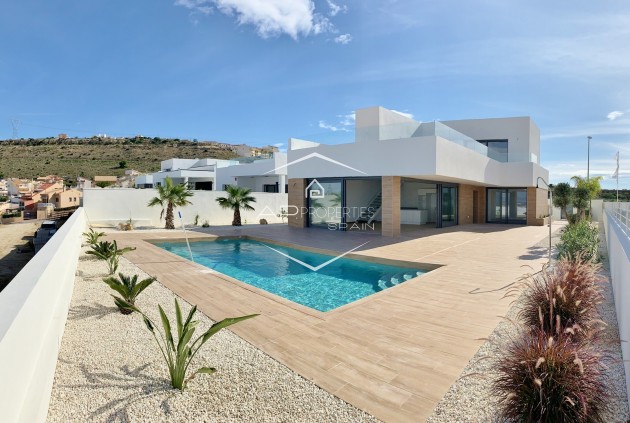
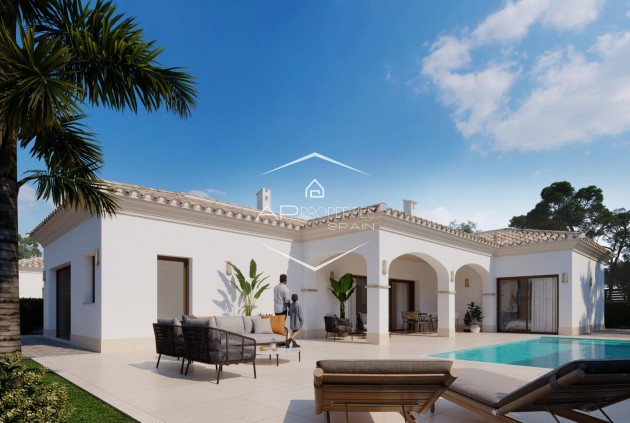
An inland villa is usually a detached or semi-rural home with its own plot, more privacy than a townhouse, and a stronger connection to land than a standard suburban property. In Spain, that umbrella can include a finca, a restored village-edge house, a modern country villa, or a rural home with outbuildings and a pool.

If coastal property feels like resort living, inland villas spain feel more like retreat homes. You’re buying not just walls and rooms, but setting, privacy, and useable outdoor space.
What counts as an inland villa
The term gets used loosely, so it helps to separate the main types.
- Traditional finca: Often older, sometimes rustic, usually on a larger plot. These can be full of character, but they need careful checking for legal status and renovation history.
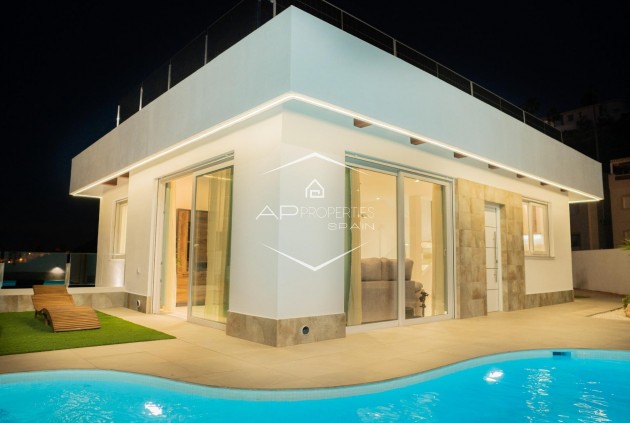
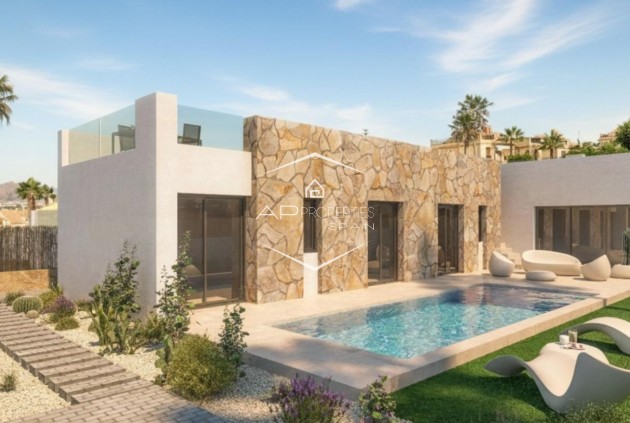
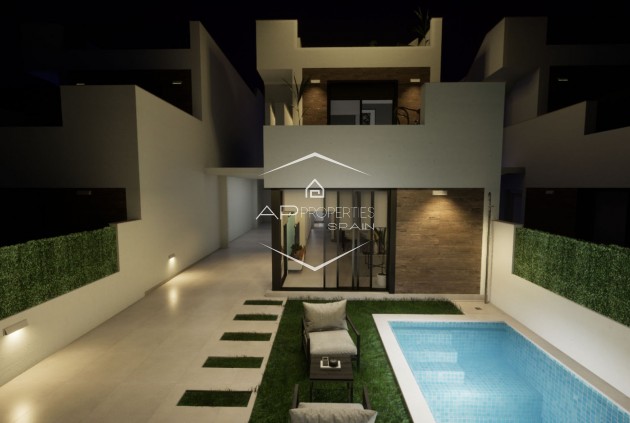
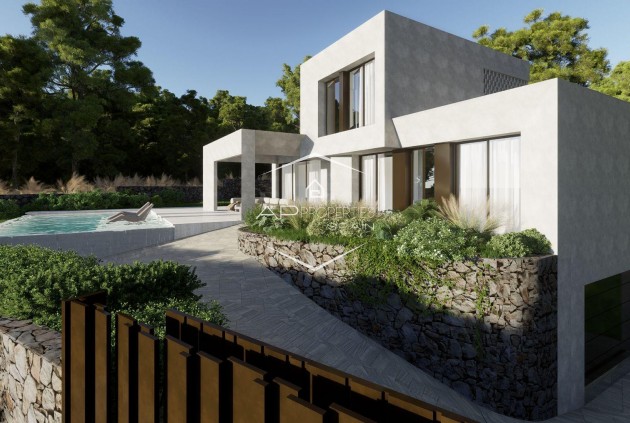
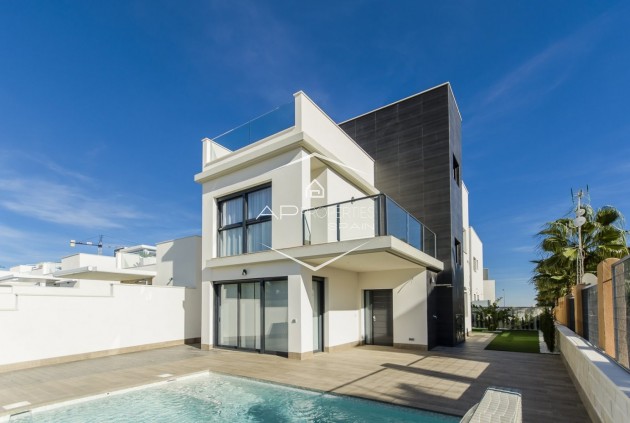
- Modern country villa: Built for contemporary living, often with open-plan interiors, pool space, and easier maintenance.
- Restored townhouse with land: Not always a villa in the strictest sense, but many inland buyers consider these because they combine village access with more space than coastal equivalents.
A true inland villa usually gives you at least some combination of privacy, land, and independence. A townhouse in a dense inland street may be charming, but it won’t deliver the same lifestyle.
Features buyers often overlook
New buyers usually focus on finish. Locals look first at function.
Check how the home gets water. Some properties rely on mains supply, some on a well, and some through community systems. None of those are automatically bad, but you need clarity before you commit.
Access also matters. A stunning home reached by a rough rural track can feel romantic on the first viewing and frustrating by the third month. The same goes for orientation, shade, drainage, and the practical use of the outside area.
Ask simple questions:
- Is the land useable? A steep plot may look large on paper but offer limited day-to-day value.
- Does the house suit all seasons? Summer charm isn’t enough if winter comfort is poor.
- Has style covered a bigger issue? Fresh paint can hide dated wiring, weak insulation, or awkward layouts.
Practical rule: Judge inland property by how it lives in January, not just how it photographs in June.
Charm versus potential
A lot of inland homes sell on atmosphere. Stone walls, beams, arches, mature trees. Those things matter, but they aren’t the whole story.
The stronger buy is the one where charm and practicality meet. Good access, sensible layout, manageable land, legal clarity, and a location with year-round life. That’s where genuine potential sits.
Advantages Compared to Coastal Properties
The simplest way to compare coastal and inland living is this. Coastal property often sells convenience first. Inland property often sells freedom first.
If your priority is stepping out to the beach, the coast will still be hard to beat. If your priority is living well every day, inland villas spain often give you more room to do that.
What your money tends to buy inland
In inland areas, buyers often stretch their budget further in ways that are easy to feel immediately. Instead of paying mainly for location prestige, you’re more likely to pay for space, plot size, and practical extras.
That can mean:
- More land: Room for gardens, fruit trees, pets, or simple privacy.
- Better liveability: Parking, storage, pool space, and guest accommodation are more common.
- Upgrade flexibility: Savings on purchase price can leave headroom for kitchens, insulation, landscaping, or solar improvements.
One common comparison helps people visualise it. Inland, the cost of a modest coastal apartment can line up with a property that offers multiple bedrooms, a pool, and outside space of its own. The exact property varies, but the lifestyle difference is often dramatic.
Lifestyle trade-offs that matter
The coast gives you movement. Inland gives you breathing room.
That changes daily habits in ways buyers don’t always realise at first. Inland homes are often better for hosting family, working from home, keeping a dog, gardening, or spending time outdoors without being overlooked. The pace tends to be steadier too, especially outside peak holiday months.
There’s also a cultural difference. In many inland towns, daily life doesn’t revolve around tourism in the same way. You’re more likely to deal with local tradespeople, family-run cafés, and neighbours who live there full-time.
Why some investors prefer inland
Not every investor wants a high-turnover holiday flat. Some prefer assets with flexibility.
An inland villa can appeal to longer-stay renters, remote workers, families between moves, or buyers who eventually want to use the home themselves. That wider lifestyle fit can make the property easier to position over time.
Here’s where inland often has an edge:
| Focus | Coastal property | Inland villa |
|---|---|---|
| Space | Often compact | Usually more generous |
| Privacy | Can be limited | Often stronger |
| Outdoor use | Terrace-led | Plot-led |
| Seasonality | More tourism-driven | Often steadier for year-round use |
| Local feel | Mixed, sometimes resort-led | Usually more rooted in daily Spanish life |
That doesn’t make inland automatically better. It makes it better matched to buyers who want value, flexibility, and a home that feels like more than a holiday base.
Top Inland Locations in Costa Blanca and Neighbouring Costas
A good inland search starts with place, not property. Two villas with similar photos can feel completely different depending on the town, the road access, and the kind of life around them.
Across Costa Blanca and nearby inland zones, a few areas keep coming up because they balance value with liveability.
Pinoso and Yecla
These two names attract buyers who want proper inland character rather than suburban spillover.
Pinoso and Yecla price guidance for inland homes places mid-range options at €80,000–€200,000 for restored townhouses, fincas with 1–2 hectares of land, or modern villas with private pools, gardens, and outbuildings. That price band is one reason these locations stay firmly on buyers’ shortlists.
Pinoso tends to suit people who like wine country, open views, and a social but not hectic town feel. Yecla appeals to buyers who want inland scenery with a stronger sense of local industry and everyday services.
Hondón Valley
Hondón Valley often attracts buyers who want a settled expat-resident mix without losing the village atmosphere.
The area works well for people who want to be inland but not feel cut off. Homes here often lean towards lifestyle buying. Buyers want terraces, mountain backdrops, and room for guests, but they also want a place where popping out for essentials doesn’t become a project.
The valley can suit retirees, remote workers, and second-home owners who plan to stay for longer stretches rather than short bursts.
Orba Valley
Orba Valley usually appeals to buyers who still want a connection to the northern Costa Blanca lifestyle but prefer greener, softer surroundings than the immediate coast.
People often choose it for balance. You get a rural feel, gardening potential, and quieter roads, but you’re not necessarily signing up for deep isolation. That’s a meaningful difference if you’ll live there year-round.
A beautiful inland home loses some of its appeal if the nearest useful service always feels too far away.
How to choose between them
Rather than asking which area is “best”, ask which daily pattern matches your life.
- If you want wine country and broad plots: Pinoso may suit you.
- If you want a stronger working-town feel: Yecla can make sense.
- If you want community and softer village living: Hondón Valley often fits.
- If you want a greener northern inland setting: Orba Valley is worth serious attention.
A smart viewing trip compares roads, amenities, and atmosphere as much as house style. Inland villas spain are highly location-sensitive. One valley can feel sociable and easy. The next can feel too quiet by November.
Market Trends and Price Bands
If you’ve been wondering whether inland property still sits in a niche corner of the market, the wider Spanish picture says otherwise. The backdrop is active, and that matters because inland demand doesn’t operate in isolation from the national market.
Spain’s 2024 year-end property figures reported 641,919 homes sold nationwide in 2024, a 10% year-on-year increase and the third-highest sales year ever. The same report noted 135,052 new-build sales, up 23.4%, while second-hand sales reached 506,867, up 6.9%. December closed strongly with 50,337 transactions, up 37.7%.
For inland buyers, that matters in two ways. First, demand is broad enough that well-positioned non-coastal property isn’t being ignored. Second, buyers need realistic expectations. Good-value inland homes still exist, but they don’t stay invisible for long.
A practical budget view
The inland market is easier to understand when you group homes by buying style rather than by agent labels.
| Property Type | Price Range | Typical Features |
|---|---|---|
| Budget finca | €30,000–€150,000+ | Rural setting, restoration needs, land potential, project-led purchase |
| Mid-range inland home | €80,000–€200,000 | Restored townhouse, finca, or pool villa with garden and outbuildings |
| Restoration or premium historic estate | €100,000–€500,000+ | Larger plots, more character, major works or heritage-sensitive scope |
These bands come from the verified inland pricing guidance and are useful because they stop buyers treating all “cheap countryside property” as the same thing. A low entry number might buy possibility, not comfort. The middle of the market often buys the easiest balance between liveability and value.
Where the strongest value tends to sit
The most interesting band for many international buyers is the mid-range. It’s often where inland villas spain deliver the clearest contrast with the coast. Buyers can find restored homes, pool villas, or practical village-edge properties that feel complete enough to enjoy without becoming a full-time building project.
There’s also a wider context behind that. The same national market update noted that inland areas in Alicante province continue to benefit from spillover demand as coastal pricing stabilises. Foreign buyers account for 25-33% of sales in coastal-influenced zones within the province, which helps explain why inland villas with strong access and lifestyle appeal draw growing attention.
What to expect next
The verified market guidance also points to a projection of more than 7% total real estate returns in Spain in 2025. That’s a national projection, not a promise for every property, but it supports the view that connected inland micro-markets may continue to attract buyers who want value without giving up quality of life.
That doesn’t mean every inland home will appreciate equally. Homes in workable locations tend to hold attention better than isolated properties. Buyers usually pay more confidently for:
- Reliable access
- Year-round amenities nearby
- Good condition or clearly costed upgrades
- Layouts that suit modern living
- Plots that are attractive but manageable
The best way to read the inland market is not as “cheap Spain”, but as selective Spain. Value is there, but it rewards buyers who understand what makes a rural home practical, legal, and easy to use.
Buying Process and Legal Financing Considerations in Spain
The legal side is where many inland purchases either become smooth or become stressful. Most of the problems buyers talk about later were already visible earlier. They just weren’t checked in time.
That’s especially true with inland villas spain, because rural and village-edge homes can carry more variation in paperwork, land classification, utilities, and past alterations than a straightforward apartment purchase.

The buying journey in plain language
The process looks simple on paper. In practice, each step needs proper sequencing.
- Search and shortlist
Start by matching location, plot type, and intended use. A holiday home search is different from a relocation search. - Get your NIE
You’ll need an NIE number for property-related transactions in Spain. Don’t leave this late. - Open a Spanish bank account
This makes payments and ongoing property costs easier to handle. - Secure financing or transfer strategy
If you need a mortgage, lenders will want documentation early. - Carry out legal due diligence
Your lawyer should review title, land status, permissions, and any irregularities. - Sign the purchase contract
Only do this once key checks are underway or complete. - Complete, collect keys, and register
Completion is not the end of the process. Registration and practical setup still matter.
The financing point many non-residents miss
Guidance on inland buyer hurdles in Alicante-region markets notes average 60-70% LTV for non-residents in the Valencia Community. For buyers using finance, that changes the budget conversation immediately.
If you’re coming from abroad, don’t assume your home-country lending expectations will map neatly onto Spain. Non-resident mortgages can be available, but inland property type, legal clarity, and buyer profile all affect how easy that process feels.
The same guidance also mentions 2025 updates to Spain’s Golden Visa program prioritising inland investments over coastal for residency eligibility. Treat that as a specialist legal topic, not a marketing line. If residency planning is part of your purchase, get current legal advice before choosing a location or structure.
Financing should shape your shortlist early. It shouldn’t be a surprise after you’ve emotionally committed to one property.
Documents and checks that matter most
A good inland purchase file is boring in the best way. Everything lines up clearly.
Your legal team should help verify:
- Identity and tax paperwork: NIE, passport copies, and any funding evidence needed by bank or notary.
- Property registration details: The legal description should match what exists on the ground.
- Land and planning position: This matters even more for rural plots and older homes.
- Utility reality: Water, electricity, septic arrangements, and access should all be confirmed properly.
- Contract wording: Reservation and private purchase contracts need close reading, especially on timelines and conditions.
Some buyers focus only on ownership. Inland homes need a broader lens. You’re also checking usability.
Common mistakes buyers can avoid
Not every problem is dramatic. Many are expensive and tiring.
- Falling for presentation first: Lovely staging doesn’t confirm legal regularity.
- Assuming all extensions are documented: In rural areas, assumptions are risky.
- Underestimating bank timing: Cross-border paperwork can slow things down.
- Treating residency and ownership as the same issue: They overlap, but they aren’t identical.
A local lawyer is essential. A practical mortgage broker can help. If the purchase includes renovation or post-sale coordination, some buyers also use a brokerage or consultancy that can keep lawyers, sellers, and trades aligned. AP Properties Spain is one example of a firm that coordinates search, legal liaison, and renovation support for international buyers in these areas.
Renovation Strategies and Turn-Key Solutions
Buyers usually fall into three camps. They want to restore something old, build something custom, or buy a home that’s already finished and get on with living in it.
Each route can work. The right one depends on your appetite for decisions, paperwork, and delay.

Restoring an older finca
This route attracts buyers who want character and don’t mind complexity.
You may get thick walls, mature land, and features that can’t be replicated easily in a new build. What you also get is uncertainty until surveys, legal checks, and builder input confirm what’s realistic. Old farmhouses can hide awkward services, damp issues, dated layouts, or past works that weren’t handled cleanly.
Restoration suits patient buyers. It rarely suits buyers who need immediate certainty.
Building on rustic land
For some people, a custom home sounds cleaner than renovation. Sometimes it is. But inland building rules are strict, especially on rustic plots.
Spanish rustic land build rules for inland villas state that construction requires a minimum plot size of 10,000m², with only 2% buildable footprint, 2–3 floors maximum, and a Floor Space Ratio of approximately 25%. Those rules shape design from the beginning.
That means buyers need to think in reverse. Don’t begin with the dream house. Begin with the land classification and what the site legally allows.
The plot doesn’t adapt to the design. The design adapts to the plot.
Buying turn-key and upgrading selectively
This is often the least stressful route.
A sound existing villa with a workable layout can be improved in stages. Buyers might update bathrooms, replace windows, improve heating and cooling, or rework outdoor space without taking on the risk of a full build. That keeps the move faster and the budgeting easier to control.
This approach often suits second-home buyers and international clients who can’t spend months supervising works in person.
Cost and energy standards
Construction economics matter whether you’re building new or refurbishing heavily. Verified guidance on the Spanish building code places inland villa construction costs at €1,200–€2,500/m² and notes that current energy compliance can increase development cost by 5-15% while delivering 50-70% operational savings compared with older buildings. The same guidance says this can equal €2,000–€4,200 annual HVAC reductions with an 8-12 year payback for compliant new homes or major upgrades.
Those numbers matter because “cheap to buy” and “cheap to run” are not the same thing. In inland Spain, where summers are hot and winters can feel sharper than buyers expect, energy performance shapes comfort as much as monthly cost.
Investment and Rental Potential with Tailored Next Steps
The strongest case for inland villas spain isn’t that they beat the coast at everything. It’s that they solve more than one buyer need at once.
A well-chosen inland villa can work as a home, a seasonal retreat, a longer-stay rental, and a future resale asset. That flexibility is what gives the category depth.

Why rental appeal is broadening
Inland homes are no longer interesting only to retirees or pure lifestyle movers. They also attract people who work remotely, travel for longer periods, or want more privacy than resort-style accommodation offers.
That shifts the rental conversation. Instead of relying only on short summer demand, some owners position inland villas for longer bookings, off-season stays, family visits, or temporary relocation use. Homes with practical layouts tend to do best. Think good internet, outside living areas, proper parking, and easy access rather than isolated beauty alone.
The verified market notes also point to coastal investors diversifying away from premium seaside stock with 4-6% annual rentals into undervalued inland villas, while forecasts suggest Spain’s total real estate returns could exceed 7% in 2025 as a projection in the same market context already referenced earlier. The takeaway is simple. Inland is no longer the fallback option. For many buyers, it’s the strategy.
Running costs can become a selling point
Income is only part of return. Running costs shape net performance and tenant appeal.
Spanish energy code guidance for new construction says updated standards can raise build costs by 5-15%, but they can also deliver 50-70% operational savings and around €2,000–€4,200 annual HVAC reductions, with an 8-12 year payback. That’s useful not only for owner-occupiers, but also for landlords trying to market comfort and efficiency.
A cooler house in summer and a warmer one in winter is easier to rent, easier to enjoy yourself, and easier to justify holding long term.
What tends to make an inland villa investable
Not every lovely rural property is a strong investment. Buyers usually do better when the home has a clear use case.
Look for a combination like this:
- Location that feels peaceful, not remote: Guests and future buyers still need practical access.
- A layout with flexibility: Guest annexes, office space, and outdoor dining areas widen appeal.
- Manageable grounds: Enough land to feel special, not so much that upkeep becomes a burden.
- Compliance and efficiency: Legal clarity and sensible running costs support resale and rental positioning.
A rentable inland villa is usually one that’s easy to explain in one sentence. Quiet location, practical access, pool, outside living, and a home that works in every season.
The next move if you’re serious
If you’re narrowing your options, start with three filters.
First, define whether you’re buying mainly for living, renting, or blending both.
Second, decide how much project risk you want.
Third, choose areas by year-round practicality, not holiday mood.
That approach usually saves buyers from wasting time on the wrong stock. It also makes viewings sharper, because you’ll know whether you’re checking lifestyle fit, legal viability, renovation scope, or investment logic.
If you’re looking at AP Properties Spain, use them the way an informed buyer should use any consultancy. Bring a clear brief, ask for inland options that match your intended use, and have them coordinate the practical side with your lawyer, mortgage contacts, and renovation professionals where needed. That’s often the quickest route from browsing inland villas spain to owning one that fits how you want to live.
Share