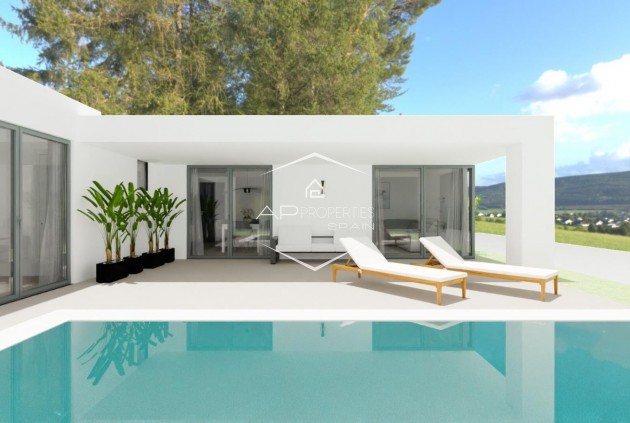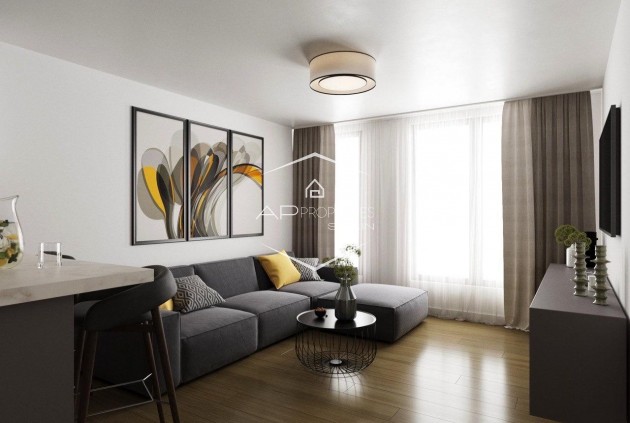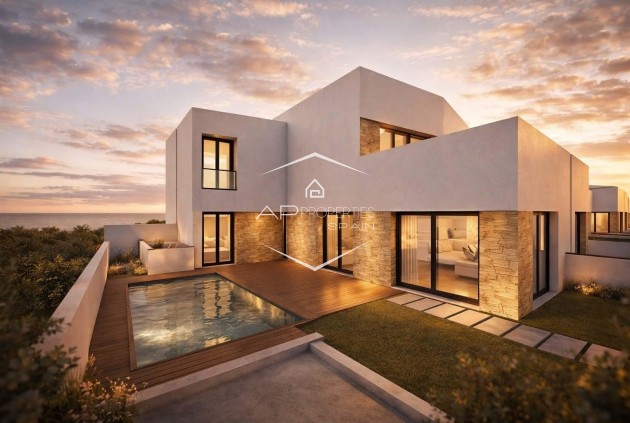






Holiday Homes Costa Blanca: 2026 Ultimate Guide
A lot of buyers start in the same place. They’ve spent months browsing listings from London, Amsterdam, Brussels, Warsaw, or Stockholm, saving sea-view villas, smart new-build apartments, and whitewashed homes with terraces big enough for long lunches and even longer evenings. The dream feels simple. Own a place in the sun, use it when you want, and let it work for you when you’re away.
The Costa Blanca can absolutely deliver that. It offers the kind of daily life people imagine when they search for holiday homes costa blanca: breakfast outside in January, easy flights, walkable beach towns, golf, marinas, good healthcare, and a property market with real depth rather than a short-lived seasonal rush. But the buyers who end up pleased with their purchase are rarely the ones who moved fastest on the prettiest photos alone.
The difference usually comes down to process. The right town, the right street, the right property type, the right legal structure, and the right plan for ownership all matter. A beautiful apartment can be a poor fit if the building restricts tourist use. A villa with a pool can become expensive to run if renovation standards are ignored. A bargain can stop being a bargain once financing, licensing, and post-completion work are handled badly.
That’s why serious buyers approach Costa Blanca property as both a lifestyle decision and an asset decision. When those two align, the result is exactly what people came for in the first place: a home that feels effortless to enjoy.
Your Dream Holiday Home on the Costa Blanca Awaits
A typical client conversation starts with a feeling, not a spreadsheet. They want somewhere they can lock up and leave without stress, somewhere family and friends will use, and somewhere that still feels special after the first summer. Usually they’ve already narrowed it down to the coast, but they haven’t yet worked out whether they belong in a lively marina town, a quieter residential enclave, or a high-spec new-build community.
That’s a good place to begin. The Costa Blanca gives buyers genuine choice. One person wants a modern apartment near restaurants and the beach, another wants a detached villa with privacy and a pool, and another is thinking two steps ahead and asking whether the property can also perform as a regulated holiday rental. Those are very different briefs, even when all three buyers say they want “a holiday home in Spain”.
What the dream looks like in practice
The strongest purchases usually combine three things:
- Easy personal use. You can arrive for a long weekend and settle in immediately.
- Strong location logic. The area suits how you’ll live, not just how it photographs.
- Clear ownership strategy. You know whether this is mainly for family use, long-term capital growth, holiday letting, or a mix of all three.
A sea view matters. So does whether you can walk to dinner, how steep the access road is, what the surrounding buildings allow, and whether the property will still suit you in five years.
Buy for the lifestyle first, but never ignore the operating reality. The owners who enjoy their homes most are usually the ones who planned the practical side early.
Where buyers get caught out
International buyers often underestimate how many small decisions shape the final result. Not because the process is impossible, but because Spain has its own legal and administrative rhythm. Reservation agreements, checks on usage, finance timing, notary preparation, and post-completion setup all need to be organised properly.
That doesn’t make the process risky by default. It means you need the right sequence and the right local judgement. A polished listing rarely tells you enough about owner community rules, rental suitability, future renovation scope, or whether the property fits your wider plans.
The Costa Blanca rewards buyers who are clear-headed. If you approach it with the same care you’d use for any serious investment, your second home can become one of the easiest decisions you’ve made.
Why the Costa Blanca is a Premier Holiday Home Destination
The Costa Blanca isn’t attractive just because it’s sunny. Buyers keep returning to it because the area combines lifestyle appeal with a market that remains active, international, and broad enough to suit different budgets and strategies. That matters if you’re buying for your own use and it matters even more if you also want resilience in the asset.

Investment stability
Market strength has been one of the clearest reasons buyers stay focused on this coastline. In 2025, the Costa Blanca property market saw average price growth of 3% to 10% year on year, with Alicante province reaching up to 10.6% growth, average values around €1,800 to €2,200 per square metre, premium locations such as Jávea moving above €3,000/m², and new-build sales rising 27% due to demand for energy-efficient homes.
Those figures matter for two reasons. First, they show broad demand rather than isolated headline sales. Second, they confirm that buyers are paying a premium for better-positioned stock, especially modern homes that reduce maintenance headaches and support year-round use.
Lifestyle quality
A holiday home only works if you want to keep coming back. Costa Blanca succeeds here because it offers more than one version of Mediterranean living. Buyers can choose a social, marina-led environment, a family beach town, a golf-centred residential setting, or a quieter hillside area with privacy and views.
That flexibility reduces one of the main risks in second-home buying. You’re not forced into a single lifestyle template. Couples nearing retirement, young families, remote business owners, and pure investors can all operate in the same regional market while targeting very different towns and property types.
Practical rule: If a location works in winter as well as summer, it’s usually a stronger long-term holiday home location.
Strong rental demand
A healthy rental market supports values, owner flexibility, and exit options. For buyers who want mixed use, Costa Blanca stands out because holiday demand remains deep across established coastal areas, especially where properties are close to the sea and presented to a higher standard.
The broad picture is simple:
- International demand remains strong. Buyers and visitors continue to favour established resort and residential areas.
- Quality stock moves quickly. Well-located homes with terraces, pools, views, or modern specifications don’t linger.
- Better product earns better attention. Energy efficiency, outdoor living, parking, and turnkey presentation all improve appeal.
Why this region holds up
The strongest holiday home markets tend to share the same fundamentals. They have lasting leisure appeal, practical travel access, a wide service economy, and limited prime coastal supply. Costa Blanca has all four.
Here’s the main trade-off. Because the region is so established, buyers rarely find obvious mispriced gems in prime coastal spots. The upside is that you’re entering a market many other international buyers already understand and trust. For most high-value clients, that’s a better foundation than chasing a cheaper but thinner market elsewhere.
Exploring Top Towns for Your Costa Blanca Holiday Home
Location decides almost everything. Two homes with similar finishes can perform very differently depending on whether they sit in a year-round town, a seasonal pocket, a steep hillside, or a walkable coastal zone. The best way to assess holiday homes costa blanca is to match each town to the life you want to live there.

Costa Blanca holiday home hotspots compared
| Town | Vibe / Atmosphere | Average Price Point | Best For | Key Feature |
|---|---|---|---|---|
| Denia | Lively, balanced, practical | Mid to upper | Buyers who want year-round life and strong everyday convenience | Marina, restaurants, ferry links, broad property mix |
| Jávea | Polished, family-focused, upscale | Premium | Families and second-home buyers seeking quality and prestige | Bay settings, villa zones, strong international appeal |
| Calpe | Energetic, visual, tourism-led | Mid to premium | Buyers wanting iconic views and active holiday demand | Beachfront living and the Peñón backdrop |
| Moraira | Refined, lower-key, residential | Premium | Buyers who value privacy and a villa-led market | Boutique feel and strong villa appeal |
| Altea | Artistic, elegant, distinctive | Upper | Lifestyle-led buyers who want charm and aesthetics | Old town character and sea-facing hills |
| Alicante | Urban, connected, versatile | Broad | Owners who want city amenities with beach access | Airport access, services, and all-season use |
| Orihuela Costa | Modern, practical, resort-style | Broad | Golf buyers, new-build seekers, and flexible-use owners | Residential communities and amenity-led living |
Denia and Jávea
Denia suits buyers who don’t want their holiday home to feel cut off from ordinary life. It has beaches, a marina, established neighbourhoods, and enough daily infrastructure to make spontaneous stays easy. That matters if you expect to use the property outside the peak season.
Jávea attracts a slightly different buyer. It tends to suit families and international purchasers who want a more polished environment, better separation between residential zones, and a stronger premium feel. Homes here often win on setting and long-term desirability rather than on headline value.
Calpe and Moraira
Calpe is more direct. Buyers choose it for sea views, beach access, recognisable scenery, and strong tourism energy. If your priority is a holiday-driven environment with obvious letting appeal, Calpe often goes onto the shortlist quickly.
Moraira feels more selective. It’s usually a villa market conversation rather than an apartment one. Buyers who choose Moraira tend to care less about density and more about privacy, presentation, and a calmer atmosphere that still feels established rather than remote.
Some towns sell a holiday. Others sell a lifestyle you can sustain for years. That difference matters more than many buyers expect.
Altea, Alicante and Orihuela Costa
Altea draws clients who respond to character. It has a different visual identity from some of the more overtly resort-led areas, and that can be exactly the point. It suits buyers who want something elegant and recognisable without needing a high-energy tourist setting.
Alicante is often underestimated by second-home buyers who begin with smaller coastal towns. Yet it solves many practical issues. You get a proper city, reliable services, beach access, and straightforward travel logistics. For some owners, especially those planning longer stays, that mix is more useful than a purely resort-focused location.
Orihuela Costa works well for buyers who prefer modern communities, golf access, and low-friction ownership. It often appeals to people who want clean lines, outdoor space, and lock-up-and-leave ease rather than traditional Spanish town character.
How to choose your town properly
Use your shortlist to test behaviour, not fantasy. Ask yourself:
- How often will you come. A town that works for two long summer stays may not suit frequent short trips.
- Who else will use the property. Children, older relatives, and guests change the brief quickly.
- Do you want walkability or privacy. Many buyers say both, but one usually matters more.
- Is rental use important. If yes, location needs to support demand and compliance, not just personal taste.
The mistake is trying to buy a single property that perfectly serves every possible future scenario. A better approach is to decide your primary use case, then buy a home that does that exceptionally well.
Buying Versus Renting Your Spanish Getaway
Not every buyer should buy straight away. Some people are still learning the coastline, testing different towns, or deciding whether they prefer a lively beach area to a quieter residential setting. In those cases, renting first can be sensible.
Buying starts to make more sense when you already know the lifestyle you want and expect to return consistently. A purchased home gives you control over location, design, furnishing, storage, and availability. You’re not adjusting your plans around someone else’s booking calendar or standards.
When renting is the smarter move
Renting tends to suit people in three situations:
- You’re still area-testing. If you haven’t yet decided between Denia, Jávea, Calpe, or Orihuela Costa, short and medium stays teach you more than online research.
- You want flexibility. Renting lets you switch towns, property sizes, and travel patterns without committing capital.
- Your usage is uncertain. If work, school schedules, or family plans are still shifting, ownership may feel premature.
When buying usually wins
Buying tends to be the better route if you value permanence and want the property to reflect your own standards. Owners can upgrade kitchens, rework terraces, improve storage, and choose materials that last. That control changes the quality of the experience.
There’s also a strategic side. If you know you’ll keep returning to the same area and you want a base that can serve personal use and potentially income generation, ownership gives you more options than repeated seasonal renting.
Rent if you’re still learning. Buy when your brief is clear.
The trade-off most people miss
The divide isn’t “cheaper” versus “more expensive”. It’s flexibility versus control.
Renters keep mobility. Owners build consistency. A renter can change postcode next season. An owner can arrive to a home that’s set up exactly as they like it, with nothing temporary about the experience.
For clients who already know Costa Blanca suits them, delaying a purchase for too long often means repeating the same search every year while watching stronger properties get taken by more decisive buyers. For clients who still feel unsure, renting first can prevent an expensive mismatch. The right answer depends less on the market and more on your clarity.
Navigating the Purchase Process for International Buyers
You agree a price on a villa in Moraira on Tuesday, transfer the reservation funds on Wednesday, and by Friday the deal feels more complicated than it did during the viewing. That usually happens for one reason. The buying sequence was not set up properly from the start.
International demand in this market is established, but overseas buyers still run into the same avoidable problems. The common pressure points are tax position, proof of funds, mortgage timing, ownership structure, and whether the property can be used in the way the buyer intends. A purchase can look straightforward on the surface and still carry legal, banking, or community issues underneath.
Start with identity, funds, and structure
Before making offers, get the basics in place. In Spain, that usually means your NIE, a Spanish bank account, and a clear plan for how you will buy. Personal name, joint names, or company ownership each carries different legal and tax consequences, especially if the property will be used partly for lettings or passed on later through inheritance.
This early stage is where experienced buyers save time. They do not wait until a seller accepts an offer to ask how the purchase should be structured, where the funds will come from, or whether documents from abroad need translation, certification, or apostille.
Know the role of each professional
Spanish transactions involve several parties, and buyers are better protected when each role is clearly defined.
- Agent or buying advisor identifies property, advises on pricing, and manages negotiations.
- Independent lawyer checks title, debts, licences, contracts, planning position, and seller authority.
- Notary supervises the deed signing and formal completion.
- Land Registry records the change of ownership.
- Bank or mortgage lender handles finance if borrowing is involved.
One point matters more than many international buyers expect. The notary does not replace your lawyer. The notary formalises the deed. Your lawyer is the one who checks whether the property should be bought at all.
Finance needs to be tested early
Non-resident mortgages are available, but they rarely reward late preparation. Buyers with salary income from one country and assets in another often face longer underwriting, more document requests, and stricter affordability checks than they expected.
That has a direct effect on strategy. If finance is part of the plan, test lender appetite before focusing on a narrow shortlist. It is far better to know your borrowing range, deposit level, and timeline in advance than to renegotiate under pressure after the reservation contract is signed.
Clean funding also strengthens your position with sellers. In competitive areas such as Jávea, Altea, and parts of Marbella's buyer crossover market, organised buyers tend to get taken more seriously, even when their offer is not the highest on paper.
Due diligence goes beyond title
A good legal check is wider than ownership and debt. It should also examine whether the built area matches the registry and cadastral records, whether extensions or terraces were added correctly, whether there are outstanding community fees, and whether the property carries restrictions that affect letting, renovation, or resale.
For holiday homes, lifestyle and investment planning must align. A buyer who wants a private family base has one brief. A buyer who wants three months of personal use and the rest as a high-end rental has another. The same property can suit one plan and fail the other because of community rules, licence position, orientation, parking, access, or maintenance costs.
Understand the cost picture before completion
Spanish purchase costs vary depending on whether you are buying a resale or a new-build property. The taxes differ. So do some of the practical checks and deadlines. Buyers should also budget for legal fees, notary costs, registry fees, mortgage setup costs if applicable, and post-completion running costs such as community charges, IBI, insurance, and non-resident tax obligations.
Buyers benefit from boutique advisory rather than a simple property search. The right advice is not just about getting to completion. It is about making sure the asset still works six months later, after furnishing, compliance, operating costs, and rental positioning are taken into account.
What well-run purchases usually have in common
The smoother transactions usually share the same traits:
- Documents prepared early. Identification, proof of funds, and banking are ready before negotiation gets serious.
- Independent legal review. Buyers check the property properly before they become emotionally committed.
- Finance running in parallel. Mortgage discussions do not start after the reservation is signed.
- A defined end use. Private enjoyment, renovation, seasonal letting, or a blended strategy is decided early.
- Post-completion planning. Buyers know who will handle utilities, insurance, key holding, furnishing, and any works after handover.
That discipline reduces mistakes. It also gives buyers better control over the whole roadmap, from acquisition and legal setup to renovation choices and future rental performance.
Creating Your Dream Home with Renovations and Turnkey Services
A buyer completes on a villa near Moraira in June, plans to use it in August, then discovers the terrace has no real shade, the lighting is poor, the bathrooms date the property, and the storage is useless for an owner who also wants staff or guests to circulate easily. The purchase was sound. The specification was not. That gap is where renovation planning protects both lifestyle quality and future returns.
The strongest holiday homes on the Costa Blanca are rarely defined by decoration alone. They work well in heat, cope with salt air, clean up easily between stays, and make outdoor living feel natural rather than improvised. A property can have a beautiful kitchen and still underperform if the terrace layout is awkward, the pool area has no evening lighting, or the house lacks practical owner storage.

Renovate for use, not just looks
Good renovation decisions start with how the home will be used. A pure family retreat needs different priorities from a property that will host extended guests, generate seasonal rental income, or do both.
The upgrades that usually justify themselves are practical:
- Outdoor living improvements. Terraces that can be used at lunch and at night, proper shade, defined dining space, and pool areas that feel safe and easy to maintain.
- Kitchen and bathroom modernisation. Finishes that look current but also tolerate heavy seasonal use, humidity, and frequent cleaning.
- Storage and utility planning. Locked owner cupboards, laundry space, plant-room access, and discreet areas for housekeeping supplies.
- Climate and efficiency upgrades. Better glazing, air conditioning, ventilation, hot water systems, and insulation where the building allows it.
I often advise clients to spend less on decorative flourishes and more on layout, lighting, and materials. Those choices are less visible in listing photos, but they make the property far more enjoyable over five or ten years of ownership.
Why sustainability now matters commercially
Energy performance is no longer a side issue. Buyers and guests notice running costs, summer comfort, winter usability, and whether a home feels current or dated. On the Costa Blanca, that usually means reviewing glazing, shading, ducted or split cooling, hot water systems, and appliance efficiency before spending money on cosmetic work.
There is a trade-off. Full system upgrades can be expensive, and they do not always make sense if the property is used only a few weeks each year. But selective improvements often do. Better windows, solar control, efficient climate systems, and LED exterior lighting can reduce maintenance pressure, improve comfort, and support resale positioning in competitive prime areas.
Why turnkey coordination helps
Overseas owners rarely want to coordinate architects, builders, joinery suppliers, furniture deliveries, snagging, and key handovers from another country. They want one plan, one budget, one programme, and clear reporting when decisions are needed.
That matters because renovation on the Costa Blanca is not just a design exercise. It involves timing around summer occupancy, lead times for imported materials, community rules in apartment buildings, access for contractors, and realistic expectations about local trades. A well-run turnkey process handles those points early, before costs drift or the property sits half-finished during the season you intended to enjoy it.
The best outcome comes from assessing renovation potential before the purchase is finalised, then carrying that brief through furnishing and handover. That approach gives buyers a property that fits how they live, not just how it looked on the day of viewing.
Maximising Your Investment Through Rental Management
A villa that feels perfect for two family holidays a year can still disappoint as a rental asset. I see this often with overseas buyers who assume a good address and a pool will carry the numbers. In practice, rental performance comes from setup, positioning, and operations working together from day one.
Legal compliance sits at the base of that plan. Short-term letting on the Costa Blanca requires a Vivienda de Uso Turístico, or VUT, licence, correct registration, and a property that meets the required standards for tourist use. Owners who treat this as an afterthought usually create delays, missed income, or expensive corrective work later.

What drives rental performance
The strongest rental homes are rarely the ones with the most features on paper. They are the ones that match a clear guest profile and remove friction at every stage, from booking to check-out. A well-located apartment with easy parking, strong air conditioning, fast internet, and a smart terrace can outperform a larger property that looks dated or feels awkward to use.
Distance to the beach matters. So does privacy, sun orientation, outdoor living space, and whether guests can understand the value of the property in the first ten seconds of a listing. Owners also need to be realistic about seasonality. Prime summer weeks can perform very well, but shoulder-season demand depends far more on comfort, presentation, and local amenities that work outside July and August.
Features that usually support stronger bookings
The properties that hold up best in the rental market usually offer a practical mix of lifestyle appeal and operational reliability:
- Easy access to the coast and services. Guests want the beach, restaurants, and daily essentials within simple reach.
- Outdoor space people will use. Pools, shaded terraces, dining areas, and open views increase booking appeal.
- Comfort in every season. Reliable cooling, heating where needed, good beds, and strong water pressure matter more than decorative extras.
- Straightforward arrival and stay. Clear check-in, parking, secure access, and stable Wi-Fi support better reviews.
- A listing that matches reality. Good photography helps, but clean presentation and consistent upkeep protect ratings.
Where returns usually weaken
Owners tend to lose income in predictable ways. Some buy for personal taste alone and only later ask whether the market wants the same thing. Others underestimate the operational side. Cleaning, linen, guest messaging, maintenance callouts, pricing updates, and mid-season repairs all affect reviews and repeat bookings.
There is also a clear trade-off between owner use and income. The more weeks you reserve in peak season for personal stays, the more you reduce the property’s earning window. That is not a problem if the lifestyle value is the priority. It does mean the investment case should be judged realistically, with your actual usage pattern in mind.
A holiday rental competes on clarity, comfort, and consistency as much as location.
Why management improves the result
Professional rental management gives the property a proper operating structure. Good managers handle calendar control, pricing, guest communication, cleaning schedules, maintenance coordination, and quality checks between stays. That protects standards, which is what protects revenue.
For many international owners, the best model is hybrid use. Keep the weeks you genuinely want. Leave the rest of the calendar in the hands of a manager who can maintain response times, presentation, and guest experience at a professional level. That approach usually produces a better asset, a calmer ownership experience, and a clearer view of whether the property is serving both your lifestyle and investment goals.
Your End-to-End Partner in Costa Blanca Real Estate
A buyer finds a beautiful villa in Moraira, agrees a price, and assumes the hard part is over. Then the serious work starts. Ownership structure, tax position, survey findings, renovation scope, furnishing standards, rental suitability, and ongoing oversight all shape whether the property becomes a pleasure to own or an expensive distraction.
That is why serious international buyers benefit from one point of coordination from search to post-completion. Area advice needs to match how the home will be used. Negotiation needs to reflect local pricing reality, not portal optimism. After completion, the same property may need key-ready furnishing, contractor control, licence checks, utility setup, or a rental operating plan. If those pieces are handled in isolation, costs rise and mistakes usually show up later.
I advise clients to make decisions in the right order.
First, define the brief properly. Personal use, family holidays, winter stays, pure investment, or hybrid ownership all point to different towns, property types, and budget allocations. Next, check the legal and technical position before committing emotionally to a home. After that, decide where improvement works will raise comfort, resale strength, or rental performance. Cosmetic spending is easy. Useful spending is harder, and far more valuable.
The same principle applies after purchase. A penthouse used six weeks a year needs a different setup from a villa intended for premium weekly lets. One requires reliable lock-up-and-leave management. The other needs tighter operational control, presentation standards, and a realistic income model. Good advice connects those choices early, before money is spent in the wrong places.
For buyers who want that continuity, AP Properties Spain is worth considering as part of the decision process. Start with a clear conversation about intended use, ownership structure, renovation appetite, and rental goals. That brief usually saves more time and money than buyers expect, because each later decision becomes faster, safer, and more commercially sound.
Share