





Mar de Pulpi: Your Guide to Mediterranean Living
You’re probably looking for the same thing most international buyers want, even if they phrase it differently. A home by the sea that feels easy from day one. Not isolated. Not overbuilt. Not a speculative headache disguised as a “Mediterranean opportunity”.
That’s why mar de pulpi deserves a serious look.
Some buyers arrive in Spain convinced they need the loudest coastline, the busiest marina, or the postcode everyone already knows. Then they visit a place where the sea is the main event, daily life feels organised, and the property itself supports the lifestyle they want to live. That shift matters. The right purchase isn’t only about what looks good during a viewing trip. It’s about whether you’ll still be pleased with the decision after the novelty wears off.
Mar de Pulpí stands out because it works on both levels. It has the emotional pull people want from a Mediterranean home, and it also offers the kind of practical structure buyers often underestimate until it’s too late. Accessibility, community, usable outdoor space, and a setting that suits year-round living all matter more than glossy brochures.
An Introduction to Mar de Pulpí A Mediterranean Dream Realised
A couple from northern Europe flies in for what they think will be a routine property tour. They’ve already seen polished apartments in heavily marketed resorts. Everything looked fine on paper. Sea views, communal pools, modern finishes. Yet none of it felt convincing enough to justify buying.
Then they arrive at mar de pulpi.
The difference usually isn’t theatrical. It’s immediate, but subtle. You notice the relationship between the homes and the coastline. You notice that the setting encourages an outdoor routine rather than selling a fantasy of one. You notice that the development doesn’t rely on noise or excess to impress. For many buyers, that’s the moment the search stops feeling abstract.
Mar de pulpi is not just a beachfront purchase. It’s a lifestyle framework. That distinction matters if you want a second home you’ll use, a retirement base that won’t frustrate you, or a property that remains attractive when the market gets more selective.
What buyers are really chasing
Those looking for property aren’t just buying square metres. They’re buying relief from congestion, a more civilised daily rhythm, and a place where friends and family will want to stay. They want a morning coffee on a terrace that gets proper light. They want the sea close enough to shape the day. They want enough infrastructure to live comfortably without feeling trapped inside a resort bubble.
Mar de pulpi speaks to that buyer well.
Buy where the lifestyle is easy on an ordinary Tuesday, not just appealing on a sunny viewing weekend.
Why it holds attention
The strongest developments do three things well. They create desire, they remove friction, and they age well. Mar de pulpi has that mix. It appeals to lifestyle buyers who want simplicity, and it also attracts more analytical buyers who care about long-term desirability and resale logic.
If you’re searching for a Mediterranean home that feels liveable rather than performative, this is the sort of development that deserves proper due diligence, not a quick glance.
Discovering the Location and Accessibility of Mar de Pulpí
Mar de pulpi sits in San Juan de los Terreros, in the municipality of Pulpí, on the Costa de Almería. That’s a major part of its appeal. You’re not buying into the most saturated stretch of Spanish coastline. You’re buying in an area that still feels more grounded, more spacious, and less overworked.

For international clients, location has to answer two questions. First, does it feel good when you’re there? Second, is it practical enough that you’ll keep using it? Mar de pulpi passes both tests.
Why this part of Almería works
San Juan de los Terreros has a quieter coastal identity than many better-known Spanish hotspots. That’s not a weakness. It’s exactly why many discerning buyers prefer it. The atmosphere is more relaxed, the setting feels more natural, and the buyer profile tends to be people seeking long-term enjoyment rather than pure short-stay churn.
The wider municipality also shows signs of underlying momentum. Pulpí grew from 9,055 inhabitants in 2017 to 12,214 by 2025, a 35% population increase, according to the municipal overview of Pulpí. For a buyer, that doesn’t prove anything on its own, but it does support the idea that the area has broader regional growth behind it.
Accessibility matters more than buyers admit
Too many purchasers obsess over the apartment and ignore the travel pattern. That’s a mistake. If getting there is annoying, your usage drops. Guests visit less. The property starts feeling more theoretical than real.
With mar de pulpi, the practical rhythm is straightforward:
- International arrival options: Buyers typically use regional airports serving this part of south-eastern Spain, then continue by road.
- Manageable onward travel: The final leg is the kind of coastal drive most owners accept easily for a second home.
- Useful for extended stays: The area suits buyers who don’t want to fly in for two rushed nights, but for proper breaks and longer seasonal use.
The setting around the development
This part of Costa de Almería gives you more than a beach address. It offers a coastline with a calmer pace and a surrounding area that still feels Spanish rather than purely transactional. That’s important if you’re buying for quality of life.
A buyer considering mar de pulpi should look at the area through three lenses:
| Consideration | Why it matters |
|---|---|
| Daily convenience | You want groceries, dining, and essential services within easy reach |
| Regional character | Authentic surroundings support longer stays and stronger owner satisfaction |
| Travel realism | A beautiful property is less valuable if access becomes a recurring irritation |
Practical rule: If you expect to use the home several times a year, test the full journey, not just the show apartment.
My advice on location
If you want nightlife-led ownership, choose somewhere else. If you want a refined coastal base with a more measured atmosphere, mar de pulpi is well positioned. The location suits buyers who value sea access, cleaner day-to-day living, and a corner of Spain that hasn’t been flattened by overexposure.
That's the strength here. It feels escapist without being inconvenient.
The Mar de Pulpí Lifestyle Amenities Community and Daily Life
A development either supports real life or it doesn’t. Mar de pulpi works because it’s built around the routines owners want. Swim, walk, eat well, spend time outdoors, and do it without needing to drive everywhere or organise your day like a military exercise.

That’s where many developments fail. They give you a pool and a brochure, then leave you to create a lifestyle out of thin air. Mar de pulpi is more convincing because the setting and amenities make everyday use feel natural.
A day here feels easy
Morning starts outside. That’s one of the clearest advantages. You’re not buying a property where the terrace is decorative. You’re buying into a place where outdoor living forms part of the routine for much of the year.
The wider lifestyle appeal is reinforced by the area’s climate conditions. Mar de Pulpi’s setting between the Mediterranean and the Sierra Aguilon Mountains creates a sheltered microclimate with approximately 360 days of sunshine each year. That matters because it supports actual use, not just marketing language.
You can see the practical effect immediately. Residents make use of outdoor spaces, sea walks, communal areas, and leisure facilities across more of the calendar, not only during the peak summer window.
What owners tend to value most
The attraction isn’t one single luxury feature. It’s the combination.
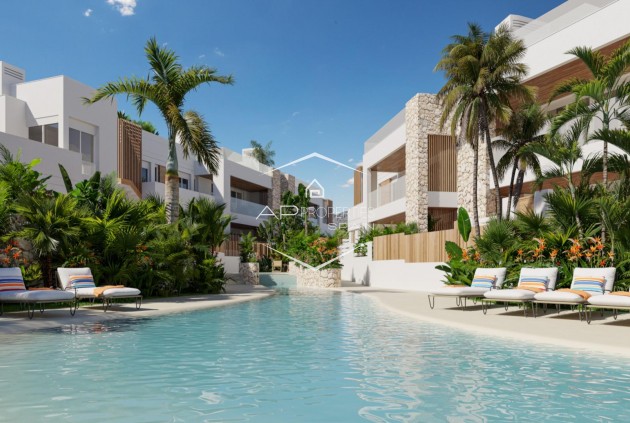
- Pools and designed outdoor spaces: These shape the atmosphere every day, especially for families and buyers who want a resort-style feel without chaos.
- Walkable environment: Being able to move through the development on foot changes how relaxed ownership feels.
- On-site convenience: Restaurants, social spaces, and useful services help turn a holiday property into a place you can truly inhabit.
- Wellness-friendly rhythm: Buyers who prioritise swimming, walking, light exercise, and outdoor time usually understand the value here quickly.
Community counts
A second home can become lonely if the setting doesn’t encourage interaction. That’s especially true for buyers planning extended stays, semi-retirement, or remote working periods. Mar de pulpi has an advantage because it lends itself to casual contact. You see neighbours. You settle into familiar habits. Children meet other children. Owners start recognising faces, routines, and favourite spots.
That matters more than glossy marketing departments admit.
Some properties are pleasant to own. Fewer are pleasant to live in for months at a time.
The difference between an amenity list and real quality of life
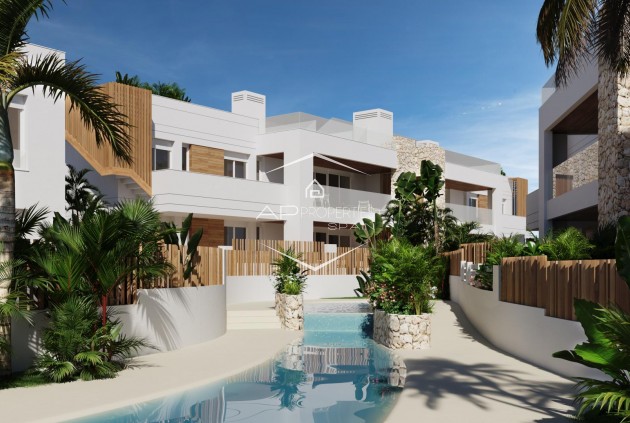
Many projects advertise facilities. Fewer make them meaningful. In mar de pulpi, the appeal lies in how the pieces fit together. Gardens soften the built environment. Shared spaces create rhythm. The beach presence anchors the whole experience.
For a buyer, daily life tends to look something like this:
- Morning outdoors on a terrace, by the sea, or around the communal areas.
- Midday flexibility, with home comforts and local amenities close enough to keep the day simple.
- Late afternoon use of shared spaces, whether that means the pool, a walk, or meeting friends.
- Evening ease, where you don’t need to over-plan dinner, entertainment, or a simple stroll.
Who this lifestyle suits best
Mar de pulpi is strongest for a specific buyer profile:
| Buyer type | Why it fits |
|---|---|
| Second-home owners | Easy lock-up-and-leave format with strong lifestyle use |
| Retirement-minded buyers | Outdoor living and community matter more than spectacle |
| Families | Shared amenities and beach access make holidays simpler |
| Long-stay international owners | the setting supports a settled, repeatable routine |
If you want a place that feels active but not frantic, polished but not sterile, mar de pulpi gets that balance right. For many buyers, that’s the reason it moves from “interesting option” to “serious contender”.
Property Types and Investment Potential in Mar de Pulpí
In this situation, buyers need to stop behaving like tourists and start thinking like owners.
A property in mar de pulpi should be chosen according to how you’ll use it, who’ll stay there, and how resilient it’s likely to remain in the resale market. That means matching the property type to the ownership strategy. Buyers who get this right tend to be happy for years. Buyers who chase the wrong layout often regret the decision even if the finish quality is good.

The main property formats
The broad appeal of mar de pulpi comes from variety. You’ll generally find homes that suit different ownership priorities, from personal use to mixed lifestyle-and-investment plans.
Ground-floor apartments
These usually appeal to buyers who want immediate access to outdoor space without stairs or rooftop maintenance. They’re a strong choice for retirees, buyers travelling with children, and owners who value a private garden-style setting over elevation.
Their main strength is usability. If your goal is comfort and convenience, this is often the safest choice.
Mid-floor apartments
These homes often suit buyers who want a practical lock-up-and-leave option with a terrace and lower maintenance demands. They can work well for couples, seasonal owners, and buyers focused on simplicity rather than maximum outdoor square footage.
They’re often the most balanced option. Easy to use, easy to furnish, and generally straightforward to manage.
Penthouses and top-floor homes
These attract a different buyer. Privacy, open views, and roof terraces carry obvious emotional pull. They can be excellent if you actively use the outside space and want a stronger “special property” feeling every time you arrive.
They also need honest self-assessment. If you love solariums and high views, excellent. If you just like the idea of them, don’t pay for a feature you won’t use properly.
Which property suits which buyer
A simple decision framework helps:
- Choose ground floor if accessibility, children, or everyday convenience lead your priorities.
- Choose mid-floor if you want flexibility and low-fuss ownership.
- Choose penthouse if premium outdoor living is central to your vision of the property.
What matters for investment logic
Not every property inside the same development performs equally. Position still matters. Orientation still matters. Outdoor space still matters. Above all, front-line scarcity matters.
In the Costa de Almería market, seafront properties have historically outperformed inland alternatives by 15 to 25% annually during expansion phases, and within Mar de Pulpí, first-line beachfront properties command premium valuations and stronger capital appreciation trajectories, particularly for buyers considering a 5 to 10 year hold strategy. That’s the key numerical investment point, and it supports a clear conclusion: the best-positioned stock deserves serious attention.
I wouldn’t dilute that message. If your budget allows a stronger line, better sea relationship, or a more desirable orientation, buy it.
Investment view: In any coastal development, the premium unit often stays premium for a reason.
Lifestyle investment versus pure yield thinking
The strongest mar de pulpi purchase is usually not the cheapest unit. It’s the one that sits at the intersection of enjoyment, resale desirability, and likely future buyer demand. That’s especially true in beachfront communities where buyers repeatedly prioritise the same things:
>th >Purchase factor
| Why it influences long-term appeal | |
|---|---|
| Proximity to the sea | Scarcity supports desirability |
| Outdoor living quality | Terraces and usable exterior space affect real enjoyment |
| Layout practicality | Good flow broadens future buyer interest |
| Privacy and outlook | Better experience often means better resale strength |
Clear recommendations by buyer profile
If I were advising clients with different objectives, I’d break it down like this:
- Lifestyle-first buyer
Prioritise the apartment you’ll use most happily. Don’t let a small saving push you into a weaker terrace, poor orientation, or compromised position. - Family buyer
Focus on accessibility, pool proximity without excessive noise, and an outdoor setup that works for long stays. - Investor with personal use in mind
Look for the unit that feels premium to you and would also feel premium to the next buyer. That overlap is where the smartest purchases sit. - Long-hold buyer
Favour front-line or near-front-line quality over cosmetic upgrades. Position ages better than styling.
What not to do
Don’t buy only from a floorplan. Don’t assume every home in the same phase carries equal appeal. Don’t let decorative finishes distract you from the fundamentals.
In mar de pulpi, the difference between a good purchase and a weak one usually comes down to micro-positioning, not brochure language. The sea, the terrace, the layout, and the feel on site decide the outcome.
Understanding the Developer and Project Status
When buyers assess a development like mar de pulpi, they often focus too heavily on the show home and not enough on the entity behind it. That’s backwards. A polished pilot apartment is easy to produce. Delivering a coherent long-term residential environment is harder.
The right question isn’t only “Do I like this unit?” It’s “Do I trust the project behind it?”
What to evaluate in the developer
For international buyers, confidence comes from process, consistency, and execution. You want a developer that has created a place with continuity, not a random cluster of buildings with no wider logic.
Look for these signs:
- Phased coherence: The community should feel planned as a whole, not assembled in fragments.
- Construction consistency: Finishes, communal areas, and external presentation should align across completed zones.
- Operational realism: The development needs to function well after handover, not just during the sales cycle.
- Long-term vision: Strong projects create repeat buyer confidence and owner satisfaction over time.
Project maturity matters
One of the benefits of mar de pulpi is that buyers can assess more than a rendering. In developments with visible community life and established external spaces, you’re better able to judge the lived reality. That matters enormously if you’ve bought abroad before and learned that brochures can flatter.
A mature-feeling project offers practical reassurance. You can inspect circulation areas, landscaping standards, atmosphere, maintenance levels, and how owners use the place. Those details tell you more than a sales presentation ever will.
If a development looks convincing only from selected angles, walk away. Good projects hold up under ordinary scrutiny.
How to judge quality properly
Don’t reduce “quality” to kitchen fronts and bathroom tiles. They matter, but they aren’t the main event. Real quality in a coastal development shows up in weather resilience, communal maintenance, layout intelligence, and whether the outside environment still feels attractive after repeated use.
Ask tougher questions during due diligence:
| What to check | Why it matters |
|---|---|
| Communal upkeep | It affects daily enjoyment and future saleability |
| Specification detail | Good materials support durability, not just appearance |
| Completion status | It shapes noise, convenience, and confidence |
| Wider project vision | Buyers want continuity, not uncertainty |
My recommendation on project confidence
Treat mar de pulpi as a development to inspect with disciplined optimism. It has the profile of a lifestyle-led coastal community, which is a strong starting point. Still, serious buyers should verify the exact phase, handover position, specification, and community setting of the unit they’re considering.
That isn’t caution for caution’s sake. It’s how experienced buyers protect themselves and make better decisions.
Navigating the Buying Process for International Clients
Buying in Spain doesn’t need to feel difficult. It does need to be handled properly. Most problems come from buyers rushing the process, relying on verbal assurances, or treating legal steps as administrative formalities. They aren’t.
For mar de pulpi, or any similar new-build purchase, I’d advise a structured approach from the outset.

Step one gets everything moving
Before you do anything serious, organise the essentials that allow you to transact in Spain.
- Apply for an NIE
This is your foreigner identification number for property-related transactions in Spain. - Open a Spanish bank account
It makes payments, direct debits, and ongoing ownership administration much easier. - Appoint an independent lawyer
This is essential. The lawyer should represent you, not the seller, the developer, or the introducer.
Reservation and legal review
Once you’ve selected a unit, there’s usually a reservation stage. That’s where excitement can make buyers sloppy. Don’t sign first and ask questions later.
Your lawyer should review the documentation carefully, including the property details, contractual terms, payment schedule, and the status of licences and registrations relevant to the purchase. If anything is vague, incomplete, or verbally “promised”, get it clarified in writing.
The deal is what the contract says, not what someone mentioned during the viewing.
Understand the contract stages
Spanish purchases often involve staged documentation rather than a single dramatic moment. For an international buyer, that’s helpful if handled correctly.
A typical sequence includes:
- Reservation agreement to secure the unit
- Private purchase contract setting out payment obligations and terms
- Completion before a notary, where the title deed is executed
Each stage matters. Each document should be checked. Each payment should align with the agreed legal structure.
Financial planning needs discipline
Buyers often budget for the property price and forget the surrounding purchase costs, ownership setup, and currency exposure. That’s avoidable.
Focus on these areas:
| Financial point | Why you need to plan for it |
|---|---|
| Taxes and acquisition costs | they affect total budget, not just headline price |
| Mortgage strategy | Non-resident finance requires early preparation |
| Currency management | Exchange-rate swings can alter your effective cost |
| Running costs | Community fees, utilities, and upkeep shape long-term comfort |
This part isn’t glamorous, but it’s where clean purchases are won.
The notary isn’t your lawyer
International buyers often misunderstand this. The notary formalises the deed and verifies legality in the official act of completion. The notary does not replace independent legal advice specific to your interests.
That’s why you need your own lawyer from the start.
A practical buying checklist
If you want a calm purchase, keep your process brutally simple:
- Verify the buyer name format: It should match your passport and legal documentation exactly.
- Confirm how you’re buying: Single name, joint names, company structure, or another format.
- Review every plan and specification: Don’t rely on memory from the viewing.
- Check payment timing carefully: Especially if funds are moving internationally.
- Prepare for post-completion administration: Utilities, taxation registration, banking, and insurance all need handling.
My direct advice
Don’t improvise. Don’t rely on charm. Don’t confuse a pleasant sales environment with a completed legal process.
Spain is perfectly navigable for international buyers, but the transaction rewards people who stay organised. If you buy in mar de pulpi with proper legal support, clear financial planning, and disciplined document review, the process can be smooth and predictable. That’s exactly how it should be.
How AP Properties Spain Secures Your Ideal Mar de Pulpí Home
Buying a home in mar de pulpi looks simple from the outside. In practice, the right result depends on selection, positioning, timing, and control of detail. That’s where many buyers go wrong. They think they need access to stock. What they need is judgement.
AP Properties Spain approaches the search as a consultancy, not a listing exercise. That distinction protects clients from the usual mistakes. Instead of pushing volume, the focus stays on fit. Which unit best supports your lifestyle. Which position within the development is worth paying for. Which compromises are acceptable, and which ones will irritate you every year you own the property.
What serious buyers need from an advisor
A good advisor should do more than schedule viewings. They should narrow the field intelligently and challenge weak decisions before you make them.
That means helping clients with:
- Targeted property selection based on how they plan to use the home
- Clear assessment of unit quality beyond brochure presentation
- Objective guidance on value within the development
- Coordination with legal and financial professionals so the process stays controlled
Why boutique representation matters
With a development such as mar de pulpi, buyers benefit from a more curated approach. You don’t need ten mediocre options. You need the right few, presented with context. A boutique consultancy can usually provide that better than a volume-led sales structure because the incentive is aligned with outcome, not speed.
AP Properties Spain was founded by Aneta and Patrick in 2021 and has built its name on personalized service for international buyers. The firm has also been recognised by Luxury Lifestyle Awards as Best Luxury Boutique Real Estate Consultancy in Costa Blanca for 2024 and 2025. That matters because awards alone don’t close purchases, but they do reflect consistency, reputation, and execution standards.
End-to-end support changes the experience
International clients rarely need just one service. They need a sequence handled properly. Search, shortlist, area guidance, negotiation, legal coordination, and after-sales support all affect the result. If one part breaks, the whole purchase feels harder than it should.
That’s why end-to-end representation is worth insisting on.
The right advisor doesn’t add noise. They remove risk, save time, and improve the final choice.
The value in plain terms
If you’re buying in mar de pulpi, strong representation should deliver three outcomes:
| Outcome | What it means for you |
|---|---|
| Better choice | You buy the right unit, not merely an available one |
| Safer process | Legal and transactional steps stay organised |
| Less friction | The purchase feels managed instead of chaotic |
The best property purchases are rarely accidental. They come from clear criteria, local knowledge, and disciplined execution. That’s where AP Properties Spain is strongest.
If you want expert guidance on finding the right home in mar de pulpi, speak with AP Properties Spain. Their team offers discreet, end-to-end support for international buyers who want a secure purchase, clear advice, and a property that fits the life they plan to live in Spain.
Share