





Homes in the Hondon Valley: A Buyer's Guide in 2026
Many buyers arrive in Alicante with the same tension in mind. They want Spain, but not the version built around traffic, packed summer promenades, and apartment blocks that feel interchangeable from one coastal town to the next. They want light, outdoor living, good food, and a home that feels rooted in a place rather than dropped into a resort map.
That’s usually when the inland search begins.
For clients looking beyond the seafront, hondon valley homes often stand out for a simple reason. They offer a different answer to the Spanish property question. Instead of buying proximity to the beach at any cost, you’re buying space, scenery, and a quieter daily rhythm in an established rural setting on the Costa Blanca South. For many international buyers, that trade-off isn’t a compromise at all. It’s the point.
An Introduction to the Real Spanish Dream
A buyer flies into Alicante expecting to choose between sea views and town apartments, then spends one afternoon inland and starts asking better questions. How much house do I get for the budget? Will I still enjoy the area in winter? If I ever need to resell or rent, am I paying a coastal premium without getting matching long-term value?
Those questions matter in Hondon Valley because the comparison with the coast is not only about lifestyle. It is also about price entry, running costs, and what buyers use in practice once the novelty of a holiday setting wears off. Inland homes here often appeal to people who want space, privacy, and a property that works for extended stays or full-time living, without stretching to coastal pricing for the same square footage.
For investment-minded buyers, that trade-off deserves a clear look.
A coastal address can carry stronger short-term holiday demand, but it also usually comes with higher purchase prices, denser surroundings, and more direct exposure to seasonality. Hondon Valley sits in a different part of the Alicante market. Buyers are often paying for plot size, views, usability, and village life rather than proximity to the seafront, and that changes the value equation from the start.
Why inland appeals to serious buyers
The people who do well here are usually clear about how they plan to use the property. They want room for guests, outdoor areas with real privacy, and a home that feels practical in January as well as August. That often leads them away from compact coastal stock and toward detached villas, country houses, and village homes with more flexibility.
There is also a market discipline to inland buying that I encourage clients to take seriously. A cheaper asking price alone is not a bargain if access is awkward, the plot is hard to maintain, or the home needs more updating than expected. Equally, a well-positioned valley property can offer better long-term value than a coastal apartment bought at a premium just because it is near the beach.
What makes the valley different
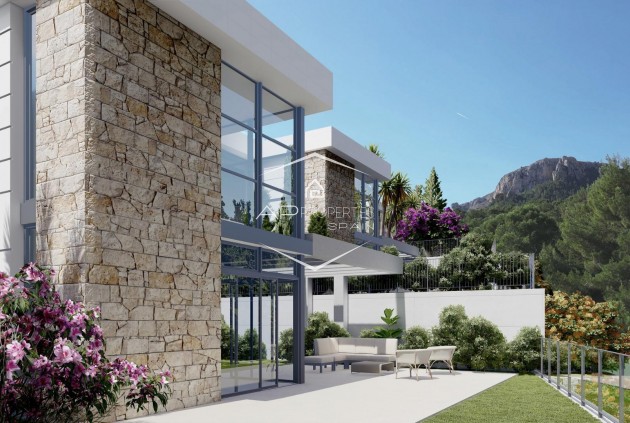
Hondon Valley suits buyers who want a stronger connection between house, setting, and daily life. The appeal comes from established villages, working countryside, mountain views, and homes that often provide more internal and external space than comparable budgets allow on the coast.
It also requires a more careful eye. In this market, orientation, road access, legal status, water and electricity arrangements, plot layout, and build quality can affect both enjoyment and resale far more than many first-time overseas buyers expect. Good decisions here come from assessing the property as a whole asset, not just reacting to a terrace view or an attractive asking price.
Discovering the Hondon Valley Lifestyle

A buyer spends the morning comparing two properties. The first is a coastal apartment with a pool, community fees, summer rental appeal, and limited outside space. The second is a villa in the Hondon Valley with a larger plot, lower entry price, and a very different pattern of use. By lunchtime, the key question is no longer beach versus inland. It is whether the buyer wants a property built around short-stay tourism or one that works for day-to-day living and long-term value.
That is the lifestyle decision Hondon Valley forces into the open.
The valley centres on Hondon de las Nieves and Hondon de los Frailes, two established villages with year-round life rather than a seasonal resort rhythm. For international buyers, that changes the feel of ownership. You are buying into a working part of Alicante province, with cafés, local services, agriculture, and village routines that continue outside the summer months.
Two villages, two rhythms
Hondon de las Nieves usually appeals to buyers who want a slightly more traditional village setting and close contact with vines, bodegas, and surrounding countryside. It often suits clients who picture morning walks, practical local amenities, and a home environment that feels settled rather than transient.
Hondon de los Frailes has a different pace. It tends to attract buyers who value straightforward day-to-day living, a strong residential feel, and easy integration into the local routine. Neither village tries to perform for visitors. That is part of the appeal.
On viewing days, clients notice the difference quickly. You pass cultivated plots and small wineries instead of retail strips and dense urbanisations. Lunch is often in a village bar where Spanish is heard alongside English, Dutch, and Belgian accents. By late afternoon, you are back on a quiet road with open mountain views and very little traffic.
What shapes daily life here
The valley’s identity comes from agriculture as much as property. Vineyards, almond trees, olive groves, and productive farmland are part of daily life, not decoration. That affects how the area feels, how homes are positioned, and who tends to buy here.
It also affects the investment case.
Inland property rarely matches the coast for pure holiday-let intensity, especially in peak summer. What it can offer is stronger value per square metre, lower acquisition cost for detached homes, and appeal to buyers who stay longer and use the property more consistently across the year. For owners focused on a mix of lifestyle use and medium-term capital growth, that matters.
A terrace looking over vines or mountain slopes creates a different experience from a terrace facing another apartment block. This translates to a different buyer profile at resale. In my experience, that buyer is often less impulsive and more focused on space, privacy, running costs, and year-round comfort.
The strongest valley purchases are usually made by buyers who understand that liveability supports value. Homes that work well in ordinary weeks often hold their appeal better than homes designed mainly around peak-season demand.
The practical trade-offs
Hondon Valley suits many international buyers very well, but the trade-offs need to be clear from the start:
- Car use is part of normal life. Buyers gain space and privacy, but daily routines usually involve driving.
- The social scene is village-based. Restaurants, markets, local festivals, and winery culture matter more here than beach clubs or promenade life.
- Rental strategy needs realism. Coastal property can produce stronger short-term holiday demand, while inland homes often perform better with owners who prioritise personal use, winter sun stays, or longer seasonal lets.
- Seasonality is less extreme. Many residents see that as a strength because the area keeps a steadier, more residential character through the year.
For ROI-conscious buyers, Hondon Valley proves interesting. Entry prices inland often leave more room for buying quality, adding a pool or outdoor kitchen, or improving energy efficiency without immediately stretching the budget to coastal levels. That does not guarantee better returns, but it can create a better risk-adjusted purchase for buyers who want usable space, a broader resale audience, and less dependence on peak tourist demand alone.
The lifestyle here is quieter, but it is not cut off. It is rooted. For the right buyer, that makes the valley more than a pleasant place to own a home. It makes it a more disciplined buy.
Hondon Valley Property Types and Price Guide
Buyers searching for hondon valley homes usually imagine one thing at first and find a broader market than expected once they start viewing. Some arrive wanting a rustic finca and end up preferring a newer villa. Others begin with a new-build search and realise they’d rather live closer to a village centre in a townhouse with character.
The practical advantage of the valley is variety. The practical challenge is that two homes with the same bedroom count can serve completely different lifestyles depending on plot, access, orientation, and condition.
What buyers most often ask for
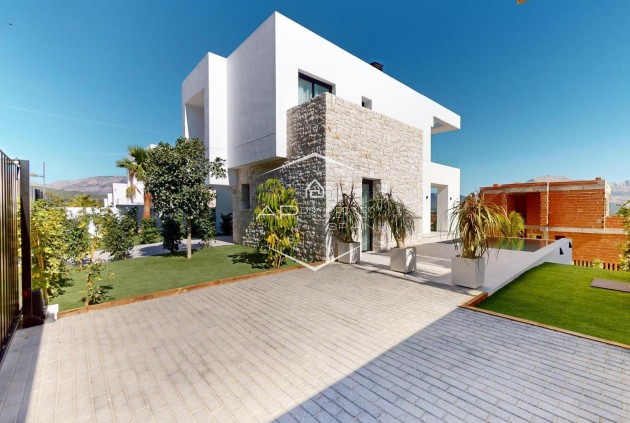
Local demand from European expatriates has shaped a clear pattern in the market. There is strong emphasis on 3 to 4 bedroom detached villas with at least 2 bathrooms, often on private plots, and new builds follow Spain’s Technical Building Code with high thermal and acoustic insulation standards.
That tells you something important about demand. Buyers here aren’t usually looking for compact holiday units. They’re looking for homes that can accommodate longer stays, guests, and mixed personal use across the year.
The main property categories
The table below is a practical framework rather than a list of market-wide statistics. Because public, disaggregated pricing for the valley is limited, these are estimated buyer guide ranges, not official market benchmarks.
| Property Type | Typical Features | Estimated Price Range (€) |
|---|---|---|
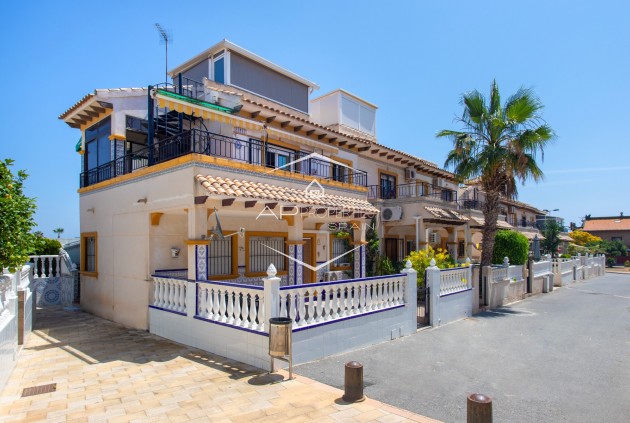
| Village townhouse | Central location, lower maintenance, character features, less land, walkable daily living | € |
| Traditional finca for reform | Rural setting, larger plots, original features, renovation needed, more due diligence required | €€ |
| Modernised resale villa | Private plot, pool in many cases, established garden, practical full-time use | €€€ |
| New-build detached villa | Contemporary layout, private plot, current code compliance, stronger energy performance | €€€€ |
| Plot with build potential | Lifestyle-led route for custom design, requires planning and technical advice | €€€ to €€€€ |
A few points matter more than headline budget.
- Village townhouses suit buyers who want simplicity, lower exterior maintenance, and stronger day-to-day integration with village life.
- Traditional fincas appeal to people who value character and don’t mind complexity.
- Modernised villas often strike the most balanced compromise between charm and convenience.
- New-build detached homes attract buyers who want predictability in condition, layout, and ongoing upkeep.
- Plots are for buyers with patience, good professional support, and a very clear brief.
What works and what doesn’t
The valley rewards clear priorities. Buyers who know whether they want village life, open countryside, or a low-maintenance second home usually move efficiently. Buyers who want every benefit at once often spend months circling the same choices.
What tends to work well:
- Detached villas on manageable plots: Enough privacy to enjoy the setting, without taking on land that becomes a burden.
- Homes with guest-friendly layouts: The local pattern of 3 to 4 bedrooms and 2 bathrooms reflects how many owners use these properties.
- Well-positioned resales: An older property with sound structure and good orientation can outperform a newer one in a weaker location.
What often creates friction:
- Romanticising reform projects: A beautiful façade doesn’t tell you what services, paperwork, drainage, or access will require.
- Ignoring driving distances: A home can feel perfect in photographs and impractical in daily life.
- Overbuying land: Large plots sound attractive until maintenance becomes constant.
The right house in the wrong micro-location will disappoint faster than a less glamorous house in the right setting.
New-builds and technical standards
New-build stock in the valley has a specific profile. Detached villas are common, and code-compliant construction matters more inland because temperature swings are more noticeable through the year. Buyers who have owned older Spanish properties often recognise this quickly when they compare insulation, acoustics, and interior comfort.
That’s why many international buyers who want a straightforward purchase lean towards current-build homes. The specification is easier to assess, the maintenance burden is often lower in the early years, and the layout usually reflects modern living habits better than older rural homes do.
Market Trends and Investment Potential

A buyer I meet in the valley often asks the same practical question after viewing two or three houses. If a similar budget buys more space inland than it does near the coast, does that better entry price come at the expense of future value?
That is the right question to ask.
Hondón is not a speculative market in the same way as parts of the Costa Blanca coastline. It is a smaller, less heavily reported inland market, and that changes how investment should be assessed. Buyers have fewer headline statistics to compare, fewer like-for-like transactions in public view, and a wider spread in value between homes that look similar on paper but perform very differently in resale terms.
So the comparison with the coast needs to be more disciplined.
Coastal property usually offers stronger short-term rental visibility, a larger pool of impulse buyers, and faster market feedback. Hondon Valley often offers a lower entry point for detached homes, more internal space, larger plots, and a buyer profile driven more by lifestyle commitment than by seasonal demand. For an ROI-conscious buyer, that usually means lower volatility, more selective demand, and a longer holding mindset.
| Buyer priority | Coast often offers | Hondon Valley often offers |
|---|---|---|
| Entry budget efficiency | Smaller homes in prime zones | More house for the money |
| Holiday rental demand | Higher visibility and volume | Narrower, more lifestyle-led demand |
| Resale speed | Broader buyer pool | Slower, more targeted buyer pool |
| Ownership experience | Convenience, tourism, density | Space, privacy, lower day-to-day pressure |
The trade-off is clear. The coast can produce stronger gross rental figures in the right tourist locations, but purchase prices, competition, community costs, and seasonality can erode the gap. Inland homes usually depend less on weekly holiday turnover and more on owner-occupier appeal, medium-term lets, and sensible buying at the outset.
That is why I advise clients to judge Hondón on three measures.
First, entry price relative to usable living space. Inland buyers can often buy a detached villa with outdoor space for a figure that would only secure an apartment or townhouse closer to the sea.
Second, resale depth. A property with good access, a practical layout, and a setting close enough to village life will usually hold its audience better than an isolated house that only works for a narrow type of buyer.
Third, ongoing cost exposure. Larger country homes can look attractive on a portal search, but irrigation, pool upkeep, boundary maintenance, and access issues all affect the net return.
What tends to hold value best
In this market, capital appreciation is usually property-specific rather than area-wide hype. Two homes in the same postcode can produce very different results over time.
The stronger performers tend to share a few traits:
- Clear village access: Buyers consistently pay more for homes that feel rural without feeling remote.
- Broad-use layouts: Properties that suit couples, families, and visiting guests appeal to more future buyers.
- Manageable plots: Enough land to enjoy, not so much that maintenance becomes a recurring burden.
- Solid build quality: Homes that avoid obvious corrective spending are easier to resell and easier to keep.
A weak purchase inland is often weak for understandable reasons. Poor approach roads, awkward legal or technical details, excessive land, or a layout that only suits one lifestyle can all limit the future market.
Where rental logic works, and where it doesn’t
Buyers sometimes assume every Alicante purchase should be judged on holiday-let income. That is a coastal model, and it does not always translate well to the valley.
Hondón can work for rental income, but usually in a narrower lane. Well-presented villas with privacy, a pool, and easy access to the villages can appeal to longer-stay tenants, winter sun visitors, remote workers, or buyers testing the area before purchasing. Generic homes without a clear lifestyle advantage are harder to position.
For many buyers, the more credible investment case is mixed use. Personal enjoyment first, sensible resale protection second, and rental income as a supporting layer rather than the whole strategy.
Investment lens: In Hondon Valley, returns are usually made through disciplined buying, controlled running costs, and choosing a home that future owner-occupiers will still want.
That makes the valley less dramatic than the coast, but often more understandable for buyers who care about value, usability, and downside protection as much as headline growth.
Navigating the Spanish Buying Process

A buyer finds a villa near Hondón de las Nieves, agrees a fair price, then discovers the pool, boundary lines, or an old extension do not match the paperwork. That is the point where a cheap-looking purchase stops looking cheap.
The Spanish buying process is usually very workable if the order is right. Problems tend to come from committing too early, paying a reservation deposit without clear terms, or treating rural property like a simple apartment purchase on the coast. In the valley, detached homes, fincas, and plots need closer checking because the legal record and the physical reality are not always perfectly aligned.
Step one, prepare your buyer file
Overseas buyers should get the basics in place before viewing turns into negotiation.
- NIE number
You need an NIE, the foreigner identification number used for legal and financial transactions in Spain. Without it, you cannot complete the purchase. - Spanish bank account
This makes payment timing, direct debits, taxes, and utility setup much easier to manage. - Proof of funds or mortgage position
A seller will take an offer more seriously if financing is already clear. Buyers comparing Hondón with the coast should be especially disciplined here, because inland value often comes from buying well at the start, not from assuming rapid short-term appreciation will correct an overpayment later.
Step two, reserve with clear conditions
Once a price is agreed, the property often moves to a reservation stage. Treat that document as a legal step, not a courtesy. The amount paid, the checks allowed before private contract, and the conditions for refund all need to be set out clearly.
A sound reservation agreement should confirm:
- The exact property being reserved
- The legal owner or selling entity
- The time allowed for legal checks
- What happens if a material issue is found
Buyers who stay calm here usually make better decisions.
Step three, instruct an independent lawyer early
A good lawyer does more than move papers from one desk to another. They check whether the asset you think you are buying is the asset that exists in law and on site.
For Hondon Valley homes, that often means reviewing title, registry details, cadastral description, planning position, debts or charges, utility arrangements, and any changes made to the property over time. Older country homes deserve extra care. So do homes with guest casitas, pools, boundary walls, or additions built years after the original house.
The notary has a different role. The notary oversees the formal signing of the title deed. Your lawyer protects your position before that day arrives.
Step four, budget for the full acquisition cost
Buyers often focus on the agreed price and underestimate the total cost of purchase. In Spain, the tax treatment changes depending on whether the property is a resale or a new build. You may also have legal fees, notary fees, land registry costs, mortgage costs if applicable, and setup expenses after completion.
Work from a full acquisition budget from the start.
That matters even more for investment-minded buyers. A coast buyer chasing holiday rental income may accept higher entry costs if the rental model is strong enough. Inland buyers usually need a cleaner purchase price, lower running costs, and a realistic hold period. The numbers are often steadier in Hondón, but that only works if the deal still makes sense after all buying costs are included.
Step five, check the property in practical terms
Country property should always be assessed beyond the brochure and photos. A practical pre-completion review should cover:
- Access and approach roads
- Water and electricity supply, and how each service is documented
- Boundary clarity
- Condition of terraces, drainage, retaining walls, and pool systems
- Any intended future use, such as reform, extension, or rental
This stage protects both lifestyle and resale prospects. A house with difficult access, unclear boundaries, or awkward utility arrangements can be harder to finance, harder to insure, and harder to sell later, even if the asking price looks attractive on day one.
Step six, complete properly and organise the handover
Completion takes place before a notary, where the title deed is signed and funds are transferred. After that, ownership registration, taxes, utility changes, and local administrative updates still need to be handled correctly.
The purchases that go smoothly are usually the ones where each professional knows their role, deadlines are realistic, and no one is guessing about the next step. In practical terms, buying in Spain is not difficult. Buying carelessly is.
Renovation Projects vs Turn-Key Homes

A buyer flies in for a three-day viewing trip, falls for an old finca with good bones, then sees a newer villa that is ready to use that same week. Both can be sensible purchases in the Hondón Valley. The better option depends less on taste alone and more on time, risk tolerance, cash reserves, and the return expected from the property over the next five to ten years.
That matters more inland than many buyers expect. On the coast, people often accept a sharper entry price because short-term rental income or stronger year-round demand may offset it. In the valley, the investment case usually rests on buying well, controlling future costs, and choosing a property that will still appeal to the next buyer.
Renovation projects suit buyers who want margin, not just charm
A reform property can make financial sense if the discount is real and the work is clearly scoped from the start. That is the part buyers need to test carefully. A house that looks cheap on the portal can become expensive once you factor in structural repairs, septic upgrades, rewiring, roof work, access improvements, and the delays that come with rural contractors working around multiple jobs.
The upside is clear. Older homes often occupy stronger plots, closer to village centres or with mature planting and a more settled feel. If the legal position is clean and the structure is sound, a thoughtful renovation can create a home that stands out in resale terms because it offers character without the practical compromises that usually come with neglected country property.
I usually tell clients to treat renovation as a numbers exercise first and a design exercise second. If the deal only works because every quote comes in low and every timescale holds, it is not a safe deal.
Turn-key homes suit buyers who value speed, clarity, and easier forecasting
Turn-key stock has gained ground because ownership is simpler from day one. Buyers can judge light, layout, storage, outdoor use, and privacy immediately, without trying to picture the finished result through a half-completed site.
That clarity has an investment angle as well. A well-finished home in a good valley location is easier to furnish, easier to insure, and usually easier to place on the resale market because the next buyer can understand the offer straight away. For overseas owners, that reduction in uncertainty has real value.
Some new-build developers in the area also market features such as insulation, aluminium framing, and basement levels as helping with temperature control and day-to-day running costs. Those points should be checked on the specification for the individual property rather than treated as a rule for the whole market. The practical takeaway is simple. Newer homes are often easier to budget for in the first years of ownership.
Buyers who choose a project because they enjoy creating something personal often do well. Buyers who choose a project only because they assume it will be cheaper are usually taking the harder route for the wrong reason.
How the choice plays out in real life
Renovation works best for buyers with patience, contingency funds, and enough time in Spain to make decisions properly. It also suits owners who plan to hold the property for longer, because the cost and effort of the works need time to be reflected in lifestyle value or resale value.
Turn-key homes are usually the better fit for buyers relocating quickly, splitting time between countries, or wanting a cleaner investment case. If the plan is immediate use, lower early-stage friction, and a property that can be sold later without a buyer needing to inherit unfinished ideas, ready homes often come out ahead.
Neither route is automatically wiser. In the Hondón Valley, the stronger decision is the one that matches your actual use of the property and leaves enough margin for the inland market to reward you later.
Your Partner for Hondon Valley Homes
A buyer comparing the Hondón Valley with the coast usually reaches the same point. The coast offers stronger short-term holiday demand and easier liquidity. Inland, the numbers often buy more house, more privacy, and lower entry risk.
That difference matters most when a purchase needs to work on two levels. It has to suit daily life, but it should also remain sensible on resale and running costs. In the valley, good advice is less about selling the setting and more about filtering stock properly.
A useful adviser should help with points such as:
- which village fits full-time living versus occasional use
- whether access, services, and orientation support future resale
- which homes are priced fairly for the inland market, and which are relying on presentation
- when a lower purchase price is a genuine opportunity, and when it is compensation for a drawback that will still be there when you sell
I often find that international buyers do best once they stop searching broadly and start buying to a clear brief. A retirement home, a lock-up-and-leave house, and a yield-led purchase should not be judged by the same standard.
If you’re considering hondon valley homes, the right approach is simple. Match the property to your use case, stay realistic on resale, and carry out proper due diligence before you commit. That is how inland Alicante becomes a considered purchase rather than an emotional one.
If you’re weighing inland Alicante against the coast and want a practical conversation about which option fits your goals, AP Properties Spain can help you assess suitable homes, local trade-offs, and the buying path in clear terms.
Share