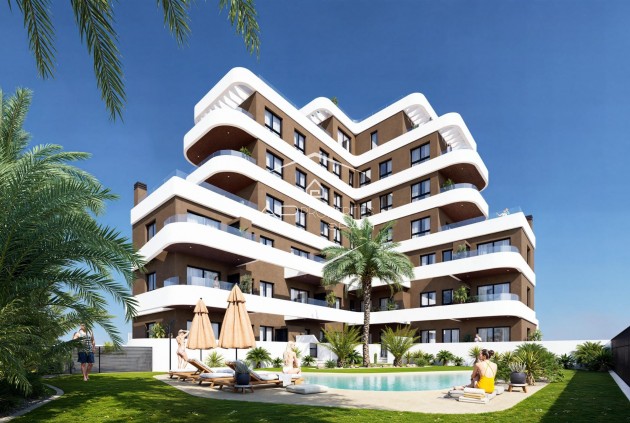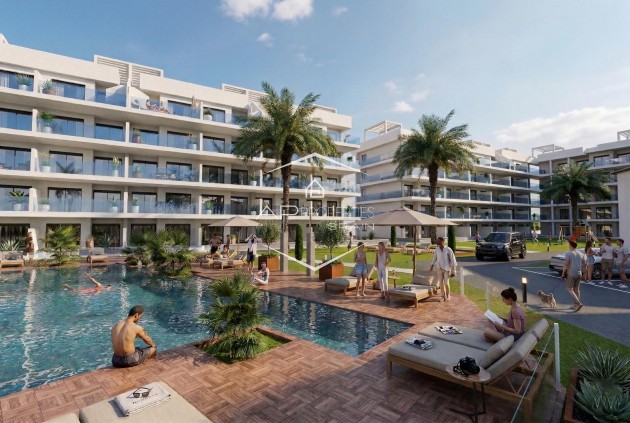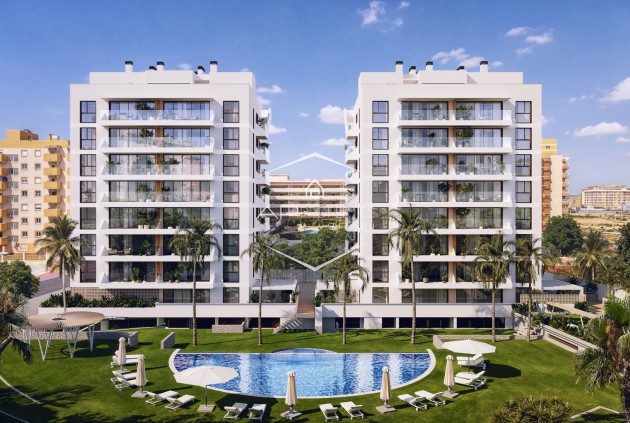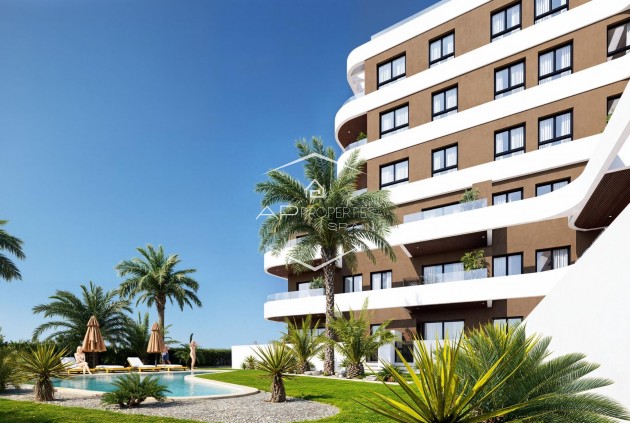





Guardamar Del Segura Property: 2026 Market Guide
You're probably looking at the same dilemma most overseas buyers hit sooner or later. You want the coast, but not somewhere that feels overbuilt, noisy, or purely seasonal. You want a place that still feels Spanish, stays practical outside the summer months, and gives you a sensible property decision rather than an emotional mistake.
That's where Guardamar del Segura property starts to stand apart. It appeals to buyers who want beach access and everyday liveability, but who also need to think clearly about budget, resale, rental use, and the difference between one street and the next. In Guardamar, those details matter more than many first-time buyers expect.
Why Choose Guardamar del Segura for Your Spanish Home
A lot of buyers arrive in Costa Blanca thinking they want a standard beachfront apartment. Then they start viewing. One area feels too busy. Another feels too isolated in winter. Another looks attractive in photos but gives very little once you step outside the building. Guardamar often enters the conversation at that point, when the search becomes less about a postcard view and more about quality of life.
Guardamar del Segura has a different rhythm from the larger resort zones. It sits at the mouth of the Segura River on the Mediterranean coast, with beaches, pine forest, wetlands and salt-marsh surroundings that give the town a softer, more natural setting than many heavily urbanised coastal strips. That combination changes how the place feels day to day. You're not choosing only a property. You're choosing how the wider environment supports your routine.
What buyers respond to in practice
For lifestyle buyers, Guardamar works because it offers several versions of coastal living. Some clients want to walk to cafés, shops and the beach without needing a car. Others want a quieter residential base with more modern stock and easier parking. The town can serve both, but not in the same micro-location.
For second-home buyers, it often strikes the right balance between use and upkeep. It's relaxed enough to enjoy as a personal retreat, but active enough to remain relevant when you're not there. That matters if you want flexibility later.
Buyers usually don't regret choosing Guardamar. They regret choosing the wrong part of Guardamar for the way they'll actually use the home.
It suits more than one buyer profile
A Guardamar del Segura property can make sense for several reasons:
- Lifestyle use: You want a home near the sea with established amenities and a real town around it.
- Hybrid ownership: You'll use the property yourself but want the option of rental income when you're away.
- Longer-term positioning: You prefer a coastal municipality that shows signs of maturing rather than one that depends only on headline tourism appeal.
That last point is important. Guardamar isn't just attractive. It's nuanced. The buyers who do well here are the ones who match their purchase to the exact submarket, building type, and ownership plan from the start.
Decoding the Guardamar Property Market in 2026
A buyer viewing two Guardamar properties at the same budget can be looking at very different assets. One may be an older apartment near the beach with strong holiday appeal but clear renovation exposure. The other may be a newer home in a residential pocket with easier year-round use, better parking, and steadier resale interest. That gap matters more in 2026 than it did a few years ago.
Guardamar has moved beyond the stage where buyers could treat it as a simple value play on the southern Costa Blanca. Prices have risen, stock is better understood by overseas buyers, and the premium attached to the right micro-location is now more consistent. Recent pricing snapshots show average property prices at €2,339 per m² in March 2025, rising to around €2,567.61 per m² in 2026, with year-on-year growth of roughly 4.06% in the municipality's average price level. The same source estimates €2,602.85 per m² for houses and €2,780.76 per m² for owner-occupied apartments in the municipality. For international buyers, that is a useful reminder that apartments in prime positions are often the premium product, not the budget option.

What the pricing trend means
Headline growth is only the starting point. The key question is which part of Guardamar is absorbing that demand and which homes are being left behind.
In practice, stronger pricing usually comes from three factors:
- Walkability to the beach, services, and town centre
- Building quality, condition, and renovation burden
- How well the property fits personal use, winter stays, or rental demand
This is why broad municipal averages can mislead. A dated apartment with sea views can still trade below expectations if the block lacks lifts, parking is difficult, or the layout feels compromised. At the same time, a well-renovated apartment in a convenient area can outperform because it suits how many foreign buyers use a Spanish home today. They want low-friction ownership, not just a postcard location.
The spread between submarkets is becoming more important. Beach-adjacent stock, established central apartments, and modern residential developments do not move in parallel. Buyers who understand that early usually make better decisions on both price and holding period.
Seasonality creates demand, but it also exposes weak purchases
Guardamar remains a seasonal municipality, and that has direct consequences for pricing, rental performance, and resale liquidity. The town supports a year-round base, but demand patterns still change sharply between summer and the quieter months. That tends to favour homes that work in more than one season.
A property that feels compelling in July may be far less convincing in November if access is awkward, the terrace gets little winter sun, or daily amenities are not within easy reach. I advise clients to test every shortlist against year-round use, even if they expect mainly summer occupancy. It is one of the simplest ways to avoid overpaying for lifestyle appeal that does not hold up over time.
Strong summer demand does not fix a weak building, a compromised floorplan, or a secondary location.
That is also where Guardamar differs from more one-dimensional resort markets. Buyers are not only paying for proximity to the sea. They are paying for a specific combination of convenience, condition, and flexibility.
Reading the market with a strategic lens
Market averages from different portals and agencies rarely match exactly because the listing mix changes. Prime apartments, new-build resales, older stock, and houses in lower-density areas can all pull the average in different directions. For that reason, broad price-per-square-metre figures are useful for orientation, but not for acquisition strategy.
The better approach is to judge value at micro-market level. Compare beachfront apartments with other beachfront apartments. Compare El Raso homes with similar stock in the same residential segment. Compare older town-centre properties only after adjusting for building quality, outdoor space, and renovation cost. That is how experienced buyers avoid paying a premium for the wrong reasons.
For AP Properties clients, this is usually the point where the search becomes clearer. The question is no longer whether Guardamar is good value in general. It is which slice of Guardamar fits the ownership plan, and which compromises are acceptable before an offer is made.
A Guide to Guardamar's Distinctive Neighbourhoods
Location choice in Guardamar is rarely a simple map exercise. Two homes can be in the same municipality and behave like entirely different assets. That's why local knowledge matters more here than in flatter, more uniform markets.
Recent Costa Blanca South data shows beachfront properties at approximately €2,400 to €4,500 per m², while homes in nearby inland areas can be found for €1,500 to €3,200 per m². That spread is wide enough to change the entire buying strategy.

Beachfront and the promenade area
This is the most obvious draw for overseas buyers. You get direct coastal appeal, easier holiday-rental positioning, and the emotional value of being near the sea every day. For many clients, that walk-to-the-beach convenience is the whole point of buying in Spain.
But the premium isn't just for the view. It's for scarcity, walkability, and resale visibility. If a buyer wants front-line or near-front-line stock, competition tends to stay stronger because there isn't much of it.
The trade-off is straightforward. You pay more, and you need to be selective. Some buildings have excellent positioning but weaker long-term appeal because of age, layout, communal upkeep, or lack of practical features such as storage and parking.
Town centre and central Guardamar
Central Guardamar suits buyers who want the beach nearby but don't need a front-line address. This part of town often works well for year-round living because daily services are easier to reach, and the property mix can be broader.
The centre tends to appeal to:
- Permanent residents who prioritise shops, services and an everyday routine
- Second-home owners who want convenience without the beachfront premium
- Resale buyers looking for established buildings with renovation potential
The key here is street selection. One road can feel lively and practical. The next can feel cramped or overly traffic-led. In central locations, the exact block matters.
El Raso and nearby inland residential zones
El Raso usually attracts buyers who want newer stock, a more residential environment, and a different lifestyle proposition from the town centre. It's often easier to find modern developments, stronger communal facilities, and homes that suit longer stays or repeated seasonal use.
That doesn't mean it's a substitute for beachfront Guardamar. It's a different product. You're typically choosing more space, easier access, and a calmer setting in exchange for not having the beach on your doorstep.
If you won't walk to the beach daily, paying a heavy beach premium often makes little sense.
El Moncayo and Campomar
These areas sit in the middle of many clients' shortlists because they can offer a compromise between coastal access and a quieter residential feel. They tend to suit buyers who want less density than the centre but still want the sea to remain part of daily life.
A simple way to think about the local submarkets is this:
| Area | Best for | Main trade-off |
|---|---|---|
| Beachfront | Holiday use, premium resale, sea-led lifestyle | Highest price sensitivity |
| Town centre | Year-round convenience, mixed use | Street quality varies sharply |
| El Raso | Modern stock, residential feel, easier parking | Less immediate beach walkability |
| El Moncayo and Campomar | Balanced coastal living | Stock quality can vary a lot by property |
The biggest mistake buyers make is trying to compare these areas as if they should deliver the same result. They won't. Each one serves a different ownership model.
Finding Your Perfect Property Type and Price
A couple flies in for three days, asks to see “the best penthouses in Guardamar,” and by the second viewing they are already negotiating against their own brief. They want low maintenance, some winter sun, and the option to rent occasionally, yet they are focusing on a property type before testing whether it fits the way they will use the home.
That is where good buying discipline matters.
In Guardamar, the right property type sits downstream from the ownership plan. A beachfront apartment, an El Raso penthouse, a townhouse near the town centre, and a detached villa may all fall within budget, but they solve very different problems. Buyers who stay clear on use, running costs, and resale audience usually make better decisions than buyers chasing a label.
Apartments and penthouses
For many international clients, apartments remain the most efficient entry into the Guardamar market. They are usually easier to manage from abroad, easier to furnish for mixed personal use and rentals, and easier to resell because the buyer pool is wider. In the beachfront and central zones, that liquidity matters. You are buying into demand that is easier for the next purchaser to understand.
Penthouses can justify a premium, but only when the premium is real. A top-floor unit with privacy, a usable terrace, open orientation, and a well-run community often performs well over time. A “penthouse” with a small exposed terrace, poor wind protection, or no meaningful view can merely be an expensive apartment with a better headline.
This is one of the clearest micro-market differences in Guardamar. Near the beach, terrace quality and walkability can support pricing. In El Raso, buyers often expect larger outside space and newer communal features, so the same premium needs stronger specification behind it.
Townhouses and villas
Townhouses suit buyers who need more internal space but do not want the full workload of a detached house. They often work well for families staying for longer periods, buyers hosting guests, or owners who want separate sleeping and living zones without committing to garden and pool upkeep year-round.
Villas are a different decision. Privacy is better. Outdoor living is better. The sense of control is better too.
So are the responsibilities.
For an overseas owner, villa ownership is rarely just about the purchase price. It also means checking security, maintaining outdoor areas, dealing with irrigation, arranging key holding, and keeping the property in good condition when it sits empty. In the right location, that trade-off is worth it. In the wrong one, it becomes an expensive lifestyle aspiration that gets used less than expected.
Match the asset to the plan
Rental performance in Guardamar varies sharply by property, building, and position, as noted earlier. That is why broad statements about “good yields” are not especially useful here. A plain, well-located apartment with easy beach access or strong day-to-day convenience will often outperform a more dramatic property that is harder to manage, harder to market, or too personalised for the average renter.
I usually ask clients to test each option against four practical filters:
- Personal use: Does it have the orientation, layout, storage, and accessibility you will still value after the first summer?
- Rental use: Would a guest understand the appeal in ten seconds, or does the property need too much explanation?
- Holding period: If you plan to keep it for years, does the location carry the value even if the interior dates?
- Work required: If it needs renovation or furnishing, is the discount large enough to justify the time, cost, and execution risk?
The strongest hybrid purchases in Guardamar are often the least complicated ones. A good apartment in the right pocket of the market usually gives an overseas buyer easier ownership, steadier demand, and a cleaner resale story than a larger property that looks impressive on a viewing day but asks too much of the owner afterward.
That is also where a boutique agency adds value. At AP Properties, the job is not to show every listing in budget. It is to narrow the field to the homes that fit the brief, the submarket, and the financial logic behind the purchase.
Navigating the Spanish Property Buying Process
A typical mistake looks like this. An overseas buyer spends two days viewing, finds a sea-view apartment in central Guardamar, pays a reservation deposit quickly, then discovers the building rules, legal paperwork, or financing terms do not fit the original plan. The process itself is not the problem. The risk comes from committing before the checks are in the right order.
A controlled purchase follows a sequence, and that sequence matters even more in a micro-market like Guardamar. A beachfront apartment, an older town-centre resale, and a newer property in El Raso can each involve different community rules, ownership costs, rental implications, and legal questions. The buying method should reflect the asset you are purchasing, not just the price.

The sequence that keeps buyers safe
The strongest transactions usually follow this order:
- Set the purchase brief before you view
The brief should be precise. Holiday use, full-time living, seasonal rental, or a dual-use plan will each point you toward different parts of Guardamar and different types of stock. This is also the stage to decide what matters more: walkable beach access, newer construction, lower running costs, or easier resale. - View selectively
More viewings do not always produce better decisions. A short, well-filtered shortlist gives cleaner comparisons and exposes trade-offs faster. Buyers choosing between beachfront and El Raso, for example, need to compare ownership reality, not just finishes and terrace size. - Agree the offer and reservation terms carefully
Once a property is chosen, the usual next step is an offer followed by a reservation agreement. That document should state the amount paid, what happens if legal checks raise a serious issue, and the expected timeline to the next contract stage. - Instruct an independent lawyer early
Legal review should start before the transaction progresses too far. Your lawyer should confirm ownership, title status, debts or charges, planning position, community matters where relevant, and whether the property matches what has been marketed.
One principle keeps buyers out of trouble. Do not let the payment schedule run ahead of the legal work.
Documents and practical setup
International buyers will usually need an NIE number, which is the foreigner identification number used in Spain for tax and property transactions. A Spanish bank account is also normally needed so the purchase funds, direct debits, taxes, and ongoing property costs can be managed properly.
The paperwork often includes:
- Passport identification
- Proof of funds or mortgage readiness
- Power of attorney if you will not attend each stage in person
- Clear translations or explanations of key documents before signing
Financing needs to be dealt with early. Mortgage timing, valuation risk, and lender conditions can change the practical value of a deal. A property that looks attractive at the viewing stage can become far less attractive if the finance structure adds delay, cost, or uncertainty.
Contract stage to completion
After the legal checks are satisfied, the next major document is usually the private purchase contract, often called an arras contract. This sets out the agreed price, deposit, deadlines, and conditions before completion.
Completion takes place before a Notary, where the public deed is signed. The notary formalises the transfer. Your lawyer then deals with the post-completion work, which usually includes registration, taxes, and practical ownership changes such as utilities.
A simple working checklist helps keep the transaction under control:
| Stage | What matters most |
|---|---|
| Reservation | Clear deposit terms and a defined timeline |
| Legal review | Ownership, title, debts, permissions, and property status |
| Private contract | Payment schedule, conditions, and completion date |
| Notary signing | Identity checks, funds, and deed accuracy |
| After completion | Registration, taxes, utilities, and handover |
Buyers who want one point of coordination often ask AP Properties Spain to handle the property search, negotiations, communication with the lawyer, and completion support across Costa Blanca. The value is practical. The search, due diligence, and transaction are managed as one process, which reduces avoidable delays and gives an overseas buyer a clearer line of accountability.
Creating Your Turn-Key Dream Home with Renovations
Some of the most interesting Guardamar purchases are not the newest homes. They're the ones with the best position and the wrong presentation.
That's especially true in older coastal buildings and established central locations. A resale apartment may have excellent orientation, strong walkability, and a more desirable street than a newer alternative, but lose buyers because the interiors feel dated. That gap can create opportunity if the structure, community, and location are right.

When renovation makes strategic sense
Renovation works best when the buyer is improving a property that already has the hardest thing to replace, which is the location. You can modernise a kitchen, change flooring, improve lighting, and rework a layout. You can't create beachfront walkability or a better street position after purchase.
This route often suits buyers who want:
- A more personalised home rather than a standard developer finish
- Better value in a prime position
- A turn-key result without compromising on where they live
What doesn't work
Not every renovation candidate is a good buy. If the building has wider structural or communal weaknesses, a beautiful interior won't fix the underlying issue. The same applies if the layout is so compromised that cosmetic improvements can't solve how the home functions.
A successful renovation starts with a sound asset. Finishes come second.
The right team matters here. Buyers need realistic scope, dependable timelines, and proper coordination between design, construction, and final furnishing so the result feels complete rather than half-resolved.
How a Boutique Agency Improves Your Property Search
A buyer flies in for three days, sees ten properties, and leaves more uncertain than when they arrived. The problem usually is not choice. It is context. In Guardamar, a flat near the beach can carry a premium that the building does not justify, while a well-positioned property in El Raso may offer stronger year-round use, easier parking, and a better fit for a buyer who plans to split time between Spain and home.
Good buying decisions in this market come from comparison at street level, building level, and buyer level. Price per square metre matters, but so do orientation, community condition, noise in peak season, rental restrictions, lift access, and how easily the property will sell again in five or ten years.
Portal searches rarely show that. They reduce the decision to photos, asking price, and headline features. An experienced agency filters for the points that affect value and day-to-day ownership, then removes the properties that look attractive online but become weak on inspection.
What This Guidance Changes
The difference shows up in the parts of the purchase where overseas buyers lose time or make expensive assumptions:
- Search focus: view fewer properties, but view the right ones
- Micro-market judgment: compare beachfront, town centre, and El Raso on use case, not image alone
- Pricing discipline: distinguish between an ambitious asking price and a fair one
- Offer strategy: judge when to negotiate firmly and when competition limits room to move
- Process control: keep legal checks, timelines, deposits, and practical arrangements coordinated
- Post-completion support: organise furnishing, key holding, and renovation planning where needed
That joined-up support matters more than access to a long list of listings. For an international client, the essential service is judgment. Which building has held up well. Which street becomes difficult in August. Which “good value” apartment will still feel compromised after purchase. Those are the questions that protect both lifestyle and resale position.
AP Properties Spain works in that boutique format, with multilingual support, coverage across Guardamar's submarkets, and coordination from search through to completion and renovation planning. For buyers managing the process from abroad, that usually means fewer wasted trips, clearer decisions, and a purchase handled with proper control.
If you are considering a Guardamar del Segura property and want clear advice on area selection, property type, or the buying process, speak with AP Properties Spain. They can help you shortlist suitable options, coordinate the legal process, and move from search to completion with a practical plan rather than guesswork.
Share