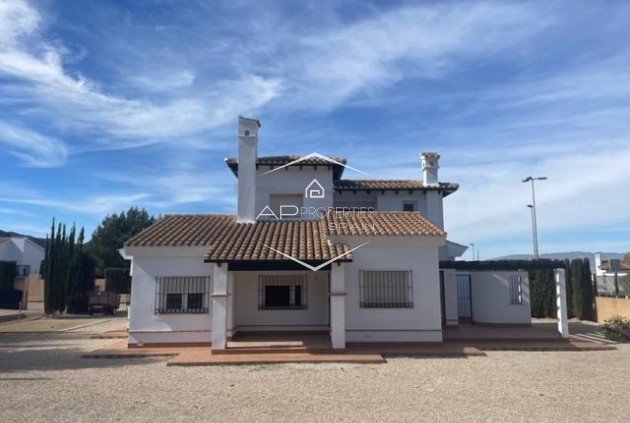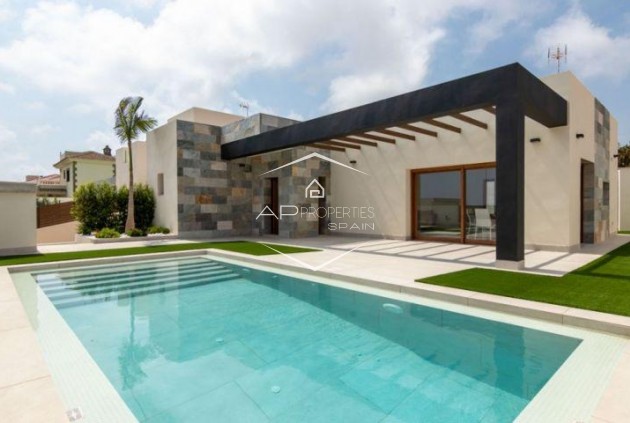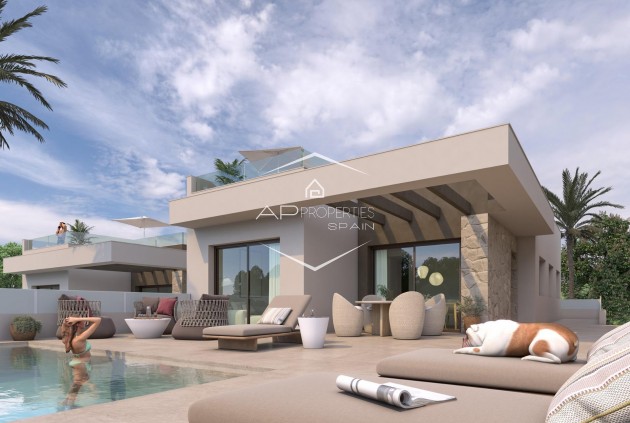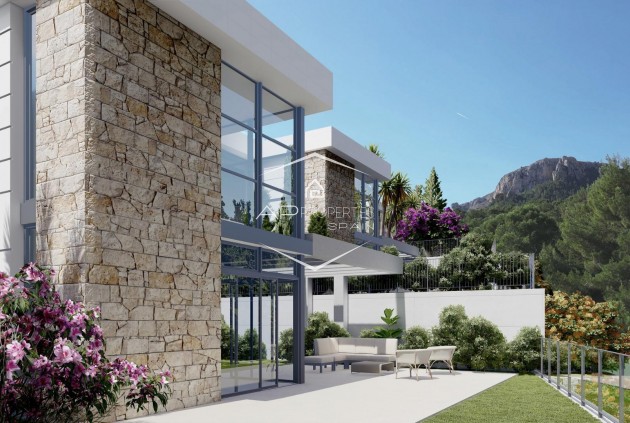






Villa with Pool Costa Blanca: Your 2026 Buyer's Guide
You're probably starting with the same picture most international buyers have in mind. A bright terrace, long lunches outside, a private pool, and the feeling that life on the Costa Blanca will be easier, calmer, and more enjoyable than what you've left behind.
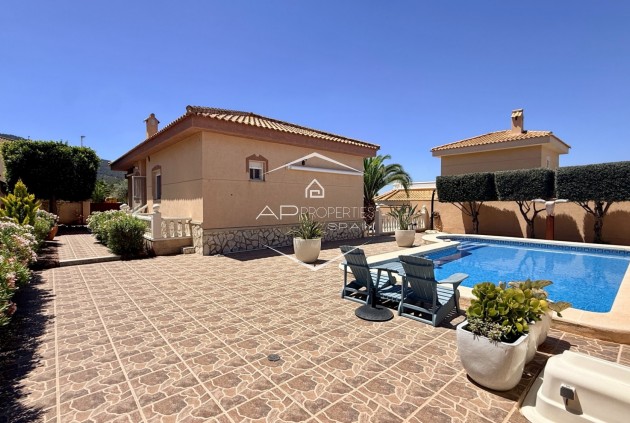
That instinct isn't wrong. A villa with pool on the Costa Blanca can deliver exactly that. But the right purchase rarely comes from falling in love with photographs alone. Buyers who end up happiest usually make a series of practical decisions early: where they want to live, how much maintenance they'll tolerate, whether they need a turnkey home or can handle improvements, and whether the property needs to work as a private retreat, a family base, a holiday rental, or all three.
The Costa Blanca gives you a wide choice. That's the opportunity, and it's also the complication. Sea-view villas, inland villas, modern new builds, established resales, gated communities, large plots, compact plots with strong outdoor design. On paper, many of them look similar. In reality, the differences show up in running costs, privacy, year-round comfort, and resale resilience.
Your Dream of a Spanish Villa with a Pool
A pool changes how a villa is used. It's not just another feature on a listing. It affects the layout of the plot, how you spend time outdoors, how attractive the property feels in summer, and how much maintenance you take on after completion.
For many buyers, the search begins emotionally. They want space, light, privacy, and a place where family and friends will gather. That's why the phrase villa with pool Costa Blanca stays so popular. It captures a lifestyle goal in a few words.
The purchase becomes much easier when that goal is translated into working criteria.
What matters more than the brochure
A polished listing usually highlights the terrace, the pool, and the view. What it often doesn't show is whether the house is comfortable in January, whether the pool area is too exposed to wind, whether the access road is practical year-round, or whether the property will feel manageable when you're not using it full time.
The strongest purchases usually balance five things:
- Location fit: Daily convenience matters more than buyers expect. Shops, airports, healthcare, schools, beaches, and road access all affect long-term satisfaction.
- Property type: A contemporary villa and a traditional resale solve different problems. One may offer efficiency and clean specification. The other may offer character and a better-established setting.
- Real ownership cost: The asking price is only the first figure. Pool upkeep, utilities, tax, and maintenance shape the actual budget.
- Legal clarity: A beautiful house with incomplete paperwork or unresolved planning issues can become an expensive distraction.
- Exit and rental logic: Even if you're buying for lifestyle first, it helps to understand how the property will perform if your plans change later.
Practical rule: Buy the villa you'll still enjoy when the excitement of the viewing trip has worn off.
That means asking less romantic questions early. How much outdoor space will you really use? Do you need a heated pool, or a well-positioned one? Are you paying for indoor square metres you won't occupy, while the terrace and garden do all the work?
Buyers who approach the search this way don't lose the dream. They protect it.
Finding Your Perfect Spot on the Costa Blanca
A buyer lands in Alicante, views a dramatic hillside villa in the north, then spends the next day in a flatter southern area where shops, cafés, and the beach are all five minutes away. Both properties have a pool. The better purchase depends less on the photos and more on how you will use the home in February, in August, and on the weeks when family or guests are not there.

The Costa Blanca has several sub-markets, and the choice between north and south affects more than style. It changes plot shape, privacy, wind exposure, driving time, year-round services, and the ongoing effort of owning a villa with a pool.
Costa Blanca North
North Costa Blanca appeals to buyers who want a more defined coastline, greener scenery, and residential areas with a quieter, higher-end feel. Jávea, Moraira, Altea, and Calpe all differ, but many homes sit on sloping plots with stronger views and more separation from neighbours.
That setting has clear advantages. It can also create practical compromises.
- Views often improve, access often gets harder: A sea-view villa on a hillside can be excellent for privacy and outlook, but steeper drives, more steps, and exposed terraces are common.
- Pool use needs more scrutiny: Plots in higher positions can catch more wind, which affects comfort around the pool and can increase evaporation and heating costs.
- Maintenance is rarely the lowest: Larger retaining walls, terraced gardens, and more complex outdoor layouts usually mean higher upkeep than a simpler flat plot.
North Costa Blanca usually commands stronger pricing in established premium enclaves, especially where sea views, privacy, and larger plots come together. Buyers are often paying not just for the house, but for scarcity and position.
Costa Blanca South
South Costa Blanca tends to be flatter, more convenience-led, and easier to use on a frequent basis. Areas such as Guardamar, Orihuela Costa, and Torrevieja attract buyers who want practical day-to-day living, active communities, and services that remain open beyond the main holiday season.
For many owners, that translates into easier ownership.
- Flatter plots are often simpler to manage: Access is usually easier, outdoor space can be more usable, and pool areas often work better for children, older relatives, or regular visiting guests.
- Year-round living is often more straightforward: Supermarkets, healthcare, restaurants, and road links are commonly closer and more predictable.
- Running costs can be easier to control: A less complicated plot and more sheltered pool area can reduce maintenance time and avoid some of the expense that comes with exposed hillside homes.
The trade-off is character and setting. Some southern urbanisations feel more functional than distinctive, and sea views are less consistent unless you target specific micro-locations.
Buyers often assume the more dramatic location will feel more special long term. In practice, many are happier in the area that makes daily life easier and the pool more usable for more months of the year.
How to choose properly
Start with use, not status. A villa that works for three summer visits may be wrong for longer winter stays if every errand needs a car, the terrace loses sun by mid-afternoon, or the pool sits in a windy position that limits real use.
At AP Properties Spain, we advise clients to test the area around the villa as hard as they test the villa itself. Walk the route to the nearest café or supermarket. Check the road approach after dark. Ask how the area feels outside peak season. Look at where the sun reaches the terrace in cooler months, because that affects whether the pool and outdoor space feel like an asset or just a cost.
This comparison helps narrow the search:
| Priority | Better fit in many northern areas | Better fit in many southern areas |
|---|---|---|
| Sea views | Often stronger | More mixed |
| Flat access | More variable | Often easier |
| Privacy | Often stronger | Depends on urbanisation |
| Walkable convenience | More selective | Often easier to find |
| Simpler pool and garden upkeep | More variable | Often easier on flatter plots |
| Established premium enclaves | Very common | More mixed by area |
The right location is the one that still works after the viewing trip. That means matching the villa, the pool, and the surrounding area to your actual routine, your comfort with maintenance, and the kind of ownership you want year round.
New Build vs Resale Villas Which Is Right for You
A villa can look right on a viewing day and still be wrong for the way you plan to use it. The decision between new build and resale shapes your costs, your workload after completion, and how much of the year the pool area is comfortable to use.
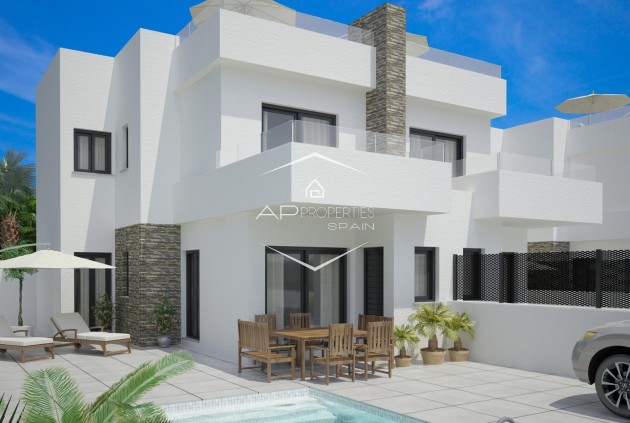
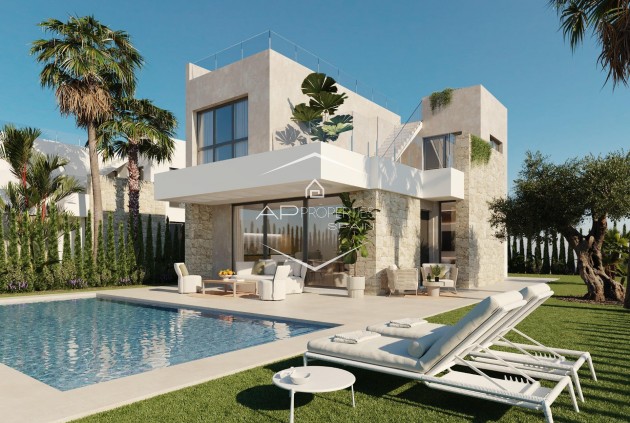
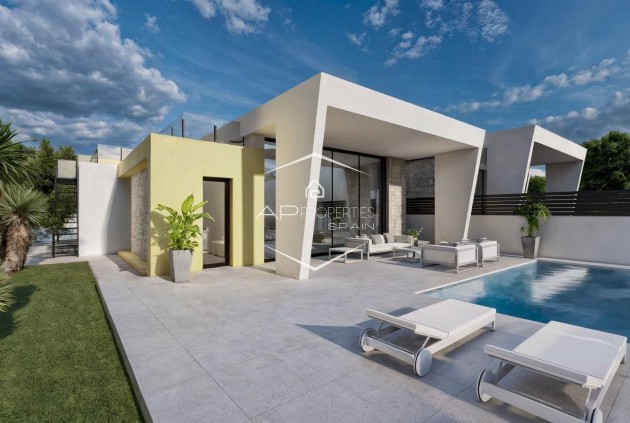
New builds usually suit buyers who want clarity. The layout is more likely to reflect how international owners live now, with open-plan kitchen and living space, better connection to the terrace, and current insulation and climate systems. That often means lower early repair risk and fewer surprise bills in the first years of ownership.
Take as example a villa arranged around a 508 m² plot with 223 m² built area, a 68 m² solarium, 368 m² garden, and a private pool. That balance matters. Many newer homes are designed to push more value into the outside areas, which works well if you will use the terrace, sun deck, and pool for a large part of the year.
There is a trade-off. New build plots can be tighter, planting is immature, and the area around the home may still be settling if the wider development is not fully built out. A house can be technically stronger but feel less private for the first few years.
Resale villas tend to win on plot quality and context. Established streets, taller boundary planting, more natural shade, and a clearer sense of how neighbours use their homes all help a buyer judge the property properly. That matters with a pool villa, because wind exposure, overlooking, and late-day sun affect whether the outside space becomes part of daily life or an expensive feature that gets used in August and little else.
A good resale also shows its history. You can inspect how the pool has aged, whether terraces drain well, how much cracking is cosmetic and how much needs further review, and whether past renovations were done coherently or in stages without a proper plan.
A well-positioned resale villa with a practical pool terrace, good privacy, and sensible winter sun can deliver better day-to-day value than a newer property with sharper finishes but a weaker plot.
New-Build Villa vs. Resale Villa A Quick Comparison
| Factor | New-Build Villa | Resale Villa |
|---|---|---|
| Condition | Usually turnkey | May need updating or repairs |
| Layout | Often open-plan and outdoor-led | Can feel more segmented, sometimes with larger room sizes |
| Energy systems | More likely to include current specification | Varies widely by age and renovation history |
| Location | Can be in expanding areas | Often in established urbanisations |
| Garden character | Usually newly planted | Often more mature and private |
| Customisation | Sometimes possible before completion | Usually improvement-led after purchase |
| Maintenance risk early on | Often lower at first | More dependent on prior upkeep |
| Personality | Clean and contemporary | Often stronger architectural character |
The practical test is simple.
Choose new build if you want a predictable start, modern systems, and fewer immediate decisions on repairs or upgrades.
Choose resale if you are buying for plot, privacy, established surroundings, or a location that would be hard to reproduce today, and you are prepared to assess condition carefully.
At AP Properties Spain, we guide buyers through both routes. The right answer is rarely about appearance alone. It comes down to how much work you want after purchase, how you expect to use the pool and outdoor areas across the seasons, and whether the villa makes financial sense beyond the handover date.
Budgeting for Your Villa Purchase and Ownership
A buyer finds a villa at the top end of their target range, sees a good pool, a clean terrace, and enough outdoor space for family stays. The asking price feels manageable. Six months later, their actual budget is under pressure from purchase taxes, insurance, pool servicing, irrigation repairs, and higher utility use than expected.
That pattern is common on the Costa Blanca. The workable budget is never just the agreed sale price. It is the full cost of buying the property, then owning it comfortably through all seasons.

Start with the right budget range
Pool villas in the better coastal positions sit above the standard residential market. As noted earlier, prices rise quickly once buyers add the features that make a villa work well in practice, such as sea views, a larger plot, better privacy, stronger sun orientation, updated systems, or a pool area that is usable beyond peak summer.
Budgeting mistakes occur when a buyer may stretch for the purchase and leave too little room for taxes, legal costs, setup work, furnishing, and the first year of ownership. In my experience, that creates more stress than paying slightly more for a villa with lower maintenance risk.
Separate acquisition costs from ownership costs
These are two different calculations, and both matter.
At purchase stage, buyers usually need to allow for taxes, legal advice, notary, land registry, and sometimes mortgage costs. The structure changes depending on whether the villa is a new build or a resale, and whether financing is involved.
After completion, the property starts generating its own annual budget. That usually includes:
- Property tax and local charges
- Building and contents insurance
- Utilities, especially electricity and water
- Pool servicing and chemicals
- Garden maintenance and irrigation
- Community fees, if the villa sits within an urbanisation or managed development
- A repair reserve for pumps, filtration equipment, air conditioning, waterproofing, and exterior wear
Buyers who separate these two budgets early make better decisions. They know whether they are buying the right villa, or the maximum villa they can reach on day one.
The pool changes the financial picture
A private pool is one of the main reasons buyers choose a villa over an apartment or townhouse. It also changes the running costs in a way many listings gloss over.
Pool ownership is not just cleaning. The system needs regular attention to water quality, filtration, pumps, pipework, surfaces, and seasonal calibration. If the pool is heated, protected from wind, or designed for shoulder-season use, running costs can rise, but so can the number of months you enjoy it. That is a real trade-off. A cheaper unheated pool may look fine in August and be underused for much of the year.
Gardens create a similar split between appearance and cost. Mature planting gives privacy and character, but it also needs pruning, irrigation management, and periodic replacement. On larger plots, water use and gardener visits can become a meaningful line in the annual budget.
Buy for efficiency, not just headline price
A lower asking price does not always mean lower ownership cost.
An older villa with dated pumps, inefficient air conditioning, poor exterior drainage, and a pool exposed to debris can cost more over time than a better-specified property bought at a higher entry price. The same applies to outdoor design. Large terraces, roof spaces, and decorative water features can look impressive and still create more maintenance than value.
A sound budget should cover four layers:
- Acquisition costs before completion
- Fixed annual costs such as tax and insurance
- Operating costs for utilities, pool care, and garden upkeep
- Reserve funds for replacements and unexpected repairs
At AP Properties Spain, we advise buyers to test the ownership model before they commit emotionally to the villa. If the numbers work in ordinary years, the property is far more likely to remain a pleasure rather than become an expensive obligation.
Essential Property and Pool Inspections
A detached villa should be treated as an asset that needs testing, not a lifestyle product that needs admiring. That applies even more when a private pool is involved.

The house inspection
A standard viewing doesn't tell you enough. You need a technical eye on the structure, moisture risk, drainage, roof condition, joinery, shading, and the quality of past alterations. In Spain, poorly executed updates can look attractive at first glance and become expensive later.
For villas, I'd pay particular attention to:
- Signs of damp or poor waterproofing: Basements, retaining walls, lower ground accommodation, and pool-adjacent structures deserve close inspection.
- Outdoor drainage: Water movement across terraces and gardens affects both comfort and long-term condition.
- Orientation and exposure: A house can have beautiful light and still be too exposed to wind around the pool and main terrace.
- Boundary and plot reality: Confirm that what you think you're buying matches title, plans, and physical layout.
The pool inspection
Many buyers inspect the colour of the water and stop there. That's not enough. A pool should be checked as a mechanical and structural system.
Ask for an informed review of:
- Shell condition: Cracks, movement, and signs of leakage matter.
- Pump and filtration equipment: Age, noise, performance, and service history all affect future spend.
- Heating setup if present: Buyers often want year-round use, but they need to know whether the system is practical, expensive, or underpowered.
- Surrounding surfaces: Slips, drainage, and maintenance wear can be as important as the pool itself.
A pool that looks impressive in a sales brochure may still be awkward to heat, expensive to maintain, or unpleasantly exposed outside peak summer.
Energy systems deserve the same attention
Modern villas increasingly include systems that affect everyday running costs. A Costa Blanca villa listing highlighted 4 kW solar panels, a 250 L aerothermic boiler, and ducted air conditioning with Air Zone, a package that improves comfort and reduces reliance on conventional energy use.
That kind of specification is worth checking in practice, not just in the listing text. Buyers should confirm installation quality, servicing arrangements, warranties where relevant, and whether the systems are correctly sized for the house.
Why this matters beyond due diligence
Inspections create negotiation clarity. They tell you whether a lower agreed price is a saving, or a delayed invoice. They also answer the question many listings ignore: is this a pool villa you'll enjoy across more of the year, or one that only feels right in peak summer?
That difference affects ownership satisfaction more than the brochure photos ever will.
Navigating the Spanish Purchase Process Step by Step
For international buyers, the Spanish process feels intimidating only until it's broken into sequence. Once each stage is clear, the purchase becomes much easier to manage.

The early administrative steps
Before completion can happen smoothly, buyers usually need the basics organised early.
- Obtain your NIE number. This is required for key legal and financial actions in Spain.
- Open a Spanish bank account. It simplifies payments, direct debits, and post-completion property costs.
- Arrange finance if needed. If you're using a mortgage, start early so the property search remains realistic.
- Appoint an independent lawyer. The lawyer's job is to protect your position, verify documentation, and identify legal problems before you're committed.
The contract stage
Once you've chosen a villa, the process usually moves through two important contractual moments.
- Reservation agreement: This normally takes the property off the market while checks begin.
- Private purchase contract, often called contrato de arras: This formalises the transaction terms and sets the path to completion.
At this stage, legal due diligence should be active. Title, charges, permissions, community matters where relevant, and practical property issues all need to be checked before signing the final deed.
Good process management saves more stress than price negotiation ever will.
Completion and aftercare
The final transfer usually happens before a notario, where the public deed is signed and ownership changes formally. After that, the property should be registered correctly and practical matters such as utilities and tax setup should be handled without delay.
A sensible buyer keeps a simple checklist for completion day and beyond:
- Identity and banking documents ready
- Funds transferred in the required form
- Lawyer's final confirmations received
- Utility transfer plan agreed
- Tax and ownership registration tracked after signing
The process isn't difficult when it's organised properly. Problems usually come from rushing reservation, relying on assumptions, or leaving legal review until too late.
Your Villa as a Lifestyle Choice and Smart Investment
A pool villa on the Costa Blanca is often bought for personal use first. That doesn't mean the investment side should be ignored. In many cases, the property works best when it serves both purposes well.
What the demand profile tells you
Holiday-rental demand in the region has a clear preference for larger-format villas. In a Costa Blanca villa dataset, 47% of villas were suitable for groups of up to eight travellers, and 48% had at least four bedrooms. That points to a market that's strongly oriented towards family and group stays.
For buyers, that has a practical implication. A villa with a good pool area, enough bedroom capacity, and strong outdoor living space aligns naturally with the kind of accommodation many visitors look for.
What improves rental resilience
If you may rent the property at times, focus less on gimmicks and more on repeatable usability.
The villas that tend to hold appeal usually offer:
- A location guests can understand easily: Proximity to beaches, restaurants, or essential amenities helps.
- A pool area that functions well: Privacy, sun exposure, and safe circulation matter more than dramatic styling alone.
- Enough sleeping capacity for families and groups: This fits the region's larger-villa demand pattern.
- Manageable maintenance: A villa that's expensive or awkward to run can erode the financial benefit of renting.
Lifestyle quality and investment quality often overlap
The same things that make ownership more enjoyable usually support long-term value. Comfortable outdoor living, sensible energy systems, practical access, and a layout that works for guests all improve the property's overall position.
That's why buyers should think in two directions at once:
- Would I enjoy using this villa regularly?
- Would another buyer or holiday guest understand its value quickly?
When both answers are yes, the property tends to be more resilient.
A good consultancy helps connect those decisions. It's not only about finding a house with a pool. It's about matching location, specification, legal clarity, ownership cost, and likely future appeal so the purchase works in real life, not just on viewing day.
Partnering with AP Properties Spain for Success
Buying a villa with pool on the Costa Blanca is rarely difficult because of one big issue. It becomes difficult when several small issues are missed at once. The area selection is slightly wrong. The pool orientation isn't practical. The running costs weren't thought through. The legal review starts too late. The property looked ideal online but feels inconvenient in person.
That's why experienced local guidance matters. Buyers benefit from someone who can narrow the search properly, challenge weak options early, coordinate the right professionals, and keep the purchase moving in the correct order.
AP Properties Spain is a luxury boutique consultancy founded by Aneta and Patrick in 2021. The firm works across the Costa Blanca with both new-build and resale homes, and it supports buyers through area matching, search, negotiation, legal coordination, and completion. It has also been recognised by Luxury Lifestyle Awards as Best Luxury Boutique Real Estate Consultancy in Costa Blanca for 2024 and 2025.
For international clients, that kind of support is practical rather than abstract. It helps with the details that shape the whole experience: understanding where to buy, assessing whether a property really fits your goals, identifying trade-offs early, and avoiding a purchase that looks right but doesn't live well.
A successful purchase should feel calm by the time you complete. The villa should suit your routine, your budget, and your expectations for the Costa Blanca lifestyle. That outcome doesn't happen by accident. It comes from clear criteria, disciplined checks, and local knowledge applied at the right moment.
If you're looking for a villa with pool on the Costa Blanca and want grounded advice on location, ownership costs, inspections, and the buying process, speak with AP Properties Spain. Their team can help you compare areas, shortlist suitable homes, and move through the purchase with clear local guidance from first search to completion.
Share