





Torrevieja Real Estate: A Complete 2026 Buyer's Guide
A lot of buyers arrive at Torrevieja with the same mixed feeling. They can see the lifestyle clearly enough. Morning coffee on a terrace, a walk by the sea, a second home that's used rather than left empty for most of the year. What they can't always see is whether the market holds real value, or whether it only looks attractive because the prices seem lower than in other coastal hotspots.
That uncertainty is reasonable. International buyers have to judge value, legal process, rental potential, neighbourhood fit, and long-term resale prospects, often in a market that gets oversimplified by generic online guides. Torrevieja is one of the places most affected by that simplification. It's often described as “cheap”, and then dismissed. That misses what matters.
The better way to read Torrevieja real estate is to look at it as a market where relative affordability and real momentum sit together. That combination is rare. If you're buying for lifestyle, it gives you access to the Costa Blanca without stepping straight into the highest price brackets. If you're buying for investment, it creates a more interesting risk-reward profile than many buyers expect.
Your Dream of a Spanish Home Starts in Torrevieja
For many overseas buyers, the search starts long before the first viewing. It starts with tabs open late at night. One apartment near the promenade. One villa slightly inland. One modern penthouse that looks perfect until the running costs raise questions. Then comes the harder part. Which area is pleasant in winter, not just in August? Which streets feel lived in? Which properties are priced attractively for a reason, and which are good value?
Torrevieja works well because it gives buyers several entry points rather than one narrow version of coastal living. Some clients want a lock-up-and-leave apartment near the beach. Others need a quiet residential setting with room for visiting family. Some want a rental asset they can also enjoy themselves. This town can accommodate all three, but only if the search is handled with local judgement rather than postcode-level assumptions.
Why the location resonates with international buyers
Torrevieja has breadth. You can live close to the sea, near busy urban services, or in calmer residential pockets where everyday life feels more settled. That matters for buyers relocating, semi-retiring, or splitting time between Spain and another country. Convenience isn't a luxury in these cases. It's the difference between a property that gets used and one that becomes inconvenient after the first season.
There's also a practical comfort to the market. Buyers who feel priced out of the premium Costa Blanca addresses often find that Torrevieja still offers choice, and not only at the entry level.
Practical rule: A Spanish home only feels like the right purchase when the property, the street, and the ownership structure all make sense together.
What buyers usually need help with
Most mistakes happen before the legal stage. Buyers choose too broadly, view too much, or fixate on photographs without understanding orientation, noise, community rules, refurbishment needs, or future usability.
A disciplined search usually comes down to four filters:
- Lifestyle fit: Are you buying for full-time living, seasonal use, or rental income with personal stays?
- Area logic: Does the neighbourhood support that use case outside peak holiday periods?
- Property reality: Does the home need cosmetic updates, structural work, or administrative regularisation?
- Exit quality: Will the property remain easy to rent or resell when your plans change?
Buy well in Torrevieja, and the town feels accessible, liveable, and commercially sound. Buy casually, and even a pretty property can become a complicated asset.
The Torrevieja Real Estate Market in 2026
A buyer flies in expecting Torrevieja to be the budget option on the Costa Blanca. By the end of the viewing trip, the question usually changes. It is no longer whether the town is cheap. It is whether they are looking at one of the more efficient entry points in the coastal market.
That distinction matters in 2026. Torrevieja still sits below many premium Costa Blanca addresses on price, but price alone no longer explains the market. Appreciation, rental demand, and the depth of the international buyer pool all need to be read together.
According to some market studies the average price for a house in Torrevieja in 2026 is €2,618.94 per square metre, up 9.34% from €2,514.85 per square metre the previous year. The same source lists owner-occupied apartments at €2,718.01 per square metre and places Torrevieja Centro at around €2,000 per square metre, well below premium coastal locations such as Jávea at €3,900/m² and Playa de San Juan at €4,100/m².
A separate reading from Indomio's Torrevieja residential market overview points in the same direction. In January 2026, the average asking price for residential properties for sale in Torrevieja was €2,667 per square metre, representing an 11.26% increase compared with March 2025, when the average stood at €2,397 per square metre.

Why the old narrative no longer holds
Torrevieja is often dismissed as a market people choose only because they cannot justify Alicante city, Moraira, or Jávea. That reading is too shallow. A lower entry point does not mean weak performance. In Torrevieja, it has often meant stronger flexibility on the way in and a broader resale audience on the way out.
This is why experienced buyers stop using the word “cheap” very quickly. They focus on what the price buys them, how easily the property can be used or rented, and whether the town still has room for values to firm.
The price gap with higher-ticket markets is not a weakness by itself. In many cases, it is the reason Torrevieja remains commercially attractive. Buyers can still secure coastal property at a level that leaves room for renovation, furnishing, tax costs, and holding strategy, rather than stretching every euro into the initial purchase.
Affordability with momentum
The more accurate story is that Torrevieja combines accessibility with movement. That is a better investment profile than many buyers expect before they study the numbers properly.
There is also a regional logic behind it. Some main studies note 8–12% annual growth in Alicante in 2024, linked to new-build shortages, limited secondary supply, and rising construction costs post-pandemic. Torrevieja is not a copy of Alicante city, but the same pressures matter. When replacement stock becomes more expensive to deliver, established coastal towns with constant international demand tend to gain support under prices.
That does not mean every apartment in Torrevieja is a strong buy. It means the town should be assessed as a selective growth market, not written off as a discount zone.
What this means in practice for buyers
For private buyers, this market often improves the quality of choice. The same budget that feels restrictive elsewhere can secure a better terrace, a more useful layout, stronger sea proximity, or a building with cleaner community management.
For investors, the trade-off is straightforward:
- Lower relative entry point: Coastal exposure is still available without paying prime-market pricing.
- Clear recent appreciation: Both cited market sources show upward pricing pressure rather than stagnation.
- Broad resale and rental appeal: Torrevieja attracts lifestyle buyers, retirees, seasonal owners, and yield-focused investors.
The market does require discipline. Some stock is dated, some asking prices run ahead of condition, and not every micro-location performs equally well. But that is exactly why Torrevieja deserves serious attention in 2026. It is not only one of the cheaper places to buy on the Costa Blanca. It is one of the few markets where a buyer can still combine sensible entry pricing with visible growth potential.
Finding Your Place Neighbourhoods of Torrevieja
Neighbourhood choice in Torrevieja affects more than daily lifestyle. It changes rental profile, future buyer appeal, noise level, walkability, parking stress, and how much property you can secure for your budget. Two homes with similar interiors can perform very differently because one sits in the right micro-location and the other doesn't.
The most useful way to assess the town is by use case. Not every buyer needs beachfront energy. Not every investor should chase the busiest zone. Some areas work because they're animated. Others work because they're dependable.
La Mata for beach-led living
La Mata appeals to buyers who want a coastal atmosphere that still feels residential. It suits second-home owners who plan to spend time outdoors, walk to the beach, and enjoy a setting that doesn't depend entirely on the summer peak to feel alive.
For investors, La Mata often draws interest because the area is easy to understand. Sea proximity is obvious. Tenant appeal is intuitive. For owner-occupiers, it's attractive when the brief is simple: beach access, practical amenities, and a recognisable holiday-home setting.
Best fit often includes:
- Second-home buyers: They want immediate lifestyle value.
- Lifestyle investors: They care about lettability, but they also want to use the property themselves.
- Buyers avoiding deep urban density: La Mata can feel more open than tighter central pockets.
Playa del Cura for buyers who want the promenade on their doorstep
Some people don't want quiet. They want movement, cafés, a visible seafront, and the convenience of stepping out without needing the car. Playa del Cura is for that buyer.
This area suits those who prioritise centrality over space. Apartments dominate the conversation here, and that comes with trade-offs. You may accept less privacy, smaller terraces, or older buildings in exchange for a highly walkable setting. For holiday use and city-style coastal living, that can be the right decision.
If you love a property near Playa del Cura, check the building as hard as you check the view. In central coastal zones, community condition and lift reliability matter more than brochure language.
Los Balcones for year-round comfort
Los Balcones tends to attract buyers who picture a more settled routine. Families, semi-retired couples, and buyers planning longer stays often look here because they want space, a calmer street pattern, and homes that feel more residential than touristic.
This is often where buyers start looking at bungalows, townhouses, and detached villas rather than compact beach apartments. The question here isn't only “How close am I to the sea?” It's “Can I live well here in November, February, and May?”
Los Balcones often works well for:
- Families: More emphasis on space and routine.
- Retirees: Quieter pace and easier day-to-day living.
- Long-stay buyers: Better suited to extended occupation than a pure holiday zone.
Punta Prima for buyers who think like investors
Punta Prima stands out because it combines recognisable coastal appeal with a strong investment profile. It isn't only a lifestyle address. It's also one of the neighbourhoods that gets discussed repeatedly when rental returns come up.
The attraction is straightforward. Buyers can target a location that remains desirable to both holiday and long-term audiences, depending on the exact property and building.
That doesn't mean every listing in Punta Prima is automatically a good investment. Selection still matters. In practice, the better-performing homes tend to have some combination of modern presentation, easy access, strong terraces, and a building people are happy to rent in.
How to match area to objective
Many poor purchases happen because buyers choose with one logic and expect results from another. They buy a quiet residential home, then hope for beach-led holiday demand. Or they buy in the thick of the action and later realise they wanted peace for six-month stays.
A sharper shortlist starts with one primary objective:
| Priority | Area style that often fits |
|---|---|
| Frequent beach use | La Mata |
| Walk-everywhere convenience | Playa del Cura |
| Full-time or long-stay comfort | Los Balcones |
| Yield-conscious coastal investment | Punta Prima |
The right neighbourhood isn't the one with the best reputation. It's the one that supports how you'll use the property.
A Guide to Property Types and Price Bands
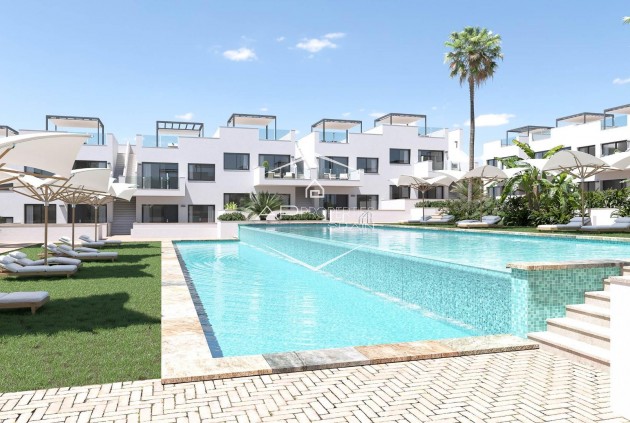
In Torrevieja, the property type often shapes ownership experience more than first-time buyers expect. An apartment close to the sea may look like the easiest option, but community fees, storage limits, and seasonal noise can matter. A villa offers privacy and outside space, yet the maintenance profile is entirely different. The smart purchase is the one whose running reality matches your intentions.
The four property formats buyers compare most
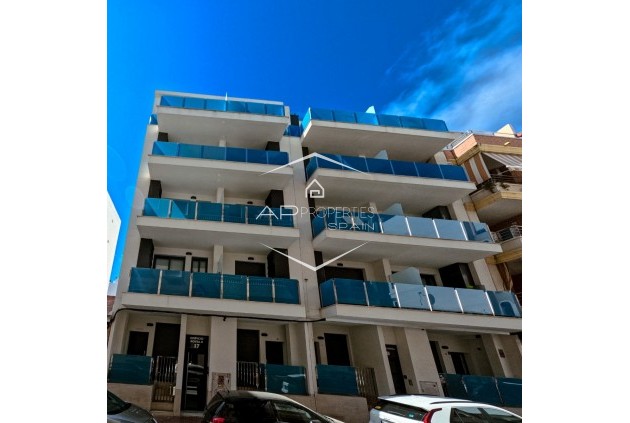
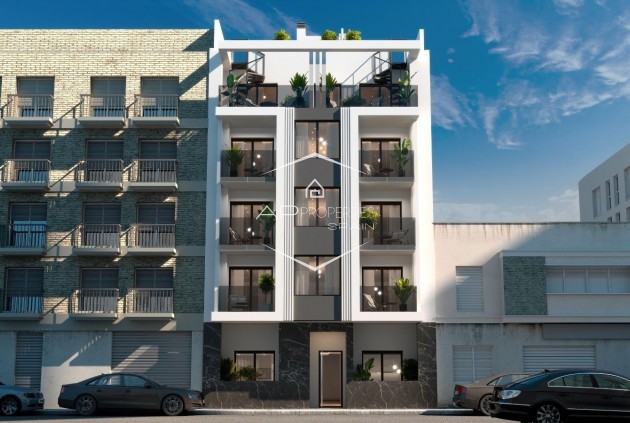
Apartments are the default choice for many overseas buyers. They're usually the easiest to lock up and leave, often sit in walkable zones, and can work well for holiday use or long-term rental. The trade-off is dependence on the building. Lift condition, façade maintenance, and community management aren't side issues.
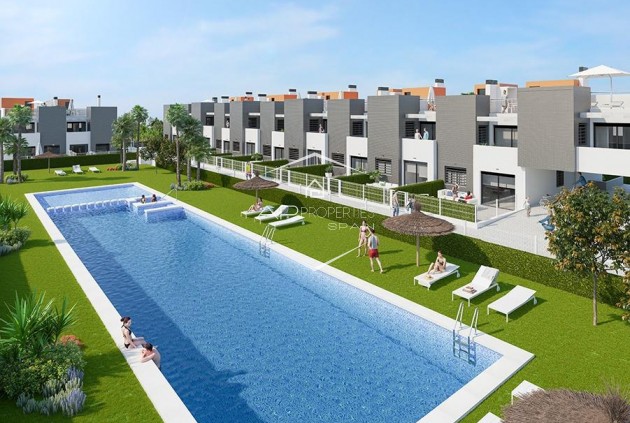
Bungalows sit in a useful middle ground. Buyers often like them because they feel less vertical and more private than apartments, while still remaining manageable. Ground-floor units may offer gardens. Upper-floor units may offer solariums. The exact configuration matters.
Townhouses suit buyers who want more internal space and a more house-like feel without stepping fully into detached-villa maintenance. They can work especially well for families and longer stays.
Villas appeal to buyers who want control, privacy, parking, and outdoor living. They also ask the most of the owner. Pool care, exterior upkeep, and security planning should be considered from the start.
Typical Property Prices in Torrevieja 2026
Because verified market-wide data in this article is given on a price-per-square-metre basis rather than by fixed asking bands for each archetype, the most reliable way to think about price bands is qualitatively. Final pricing depends on location, condition, orientation, outside space, and whether the property is new-build or resale.
| Property Type | Typical Size | Average Price Range | Best For |
|---|---|---|---|
| Apartment | Compact to mid-sized | Broadly lower entry points, especially away from prime seafront positions | Holiday buyers, lock-up-and-leave owners, long-term rental investors |
| Bungalow | Mid-sized with outdoor space | Usually sits between many apartments and villas, depending on terrace or garden quality | Couples, retirees, buyers wanting outside space without full villa upkeep |
| Townhouse | Mid-sized to larger | Often above simpler apartments, with value tied to layout and location | Families, long-stay owners, buyers wanting more rooms |
| Villa | Larger homes with private plots | Typically the highest price band, especially with pool, sea views, or modern finishes | Privacy-focused buyers, luxury second-home owners, high-end investors |
What works and what doesn't
A few practical distinctions save buyers time:
- Apartments work well when the building is sound, the community is organised, and you want ease of ownership.
- Bungalows work well when you value outdoor space but don't want the obligations of a detached home.
- Townhouses work well when internal flexibility matters more than prestige.
- Villas work well when you'll use the home enough to justify the extra maintenance and running attention.
Buy the property type you'll still enjoy managing after the first summer. That's often a better test than asking what looks most attractive in photographs.
The International Buyer's Roadmap to Ownership
Buying in Spain isn't difficult when the transaction is organised properly. What causes trouble is assuming the process is informal because the setting feels relaxed. It isn't. The Spanish system is document-driven, and international buyers need each stage handled in the right order.

Step one to three
- Define the brief clearly
Before any reservation is discussed, narrow the brief by area, property type, intended use, and ownership structure. Joint purchase, company purchase, and inheritance planning all influence the advice you'll need. - Obtain your NIE
The NIE is the foreigner identification number used for legal and fiscal acts in Spain. Without it, the purchase process stalls. Buyers should arrange it early rather than waiting until they've found the perfect property. - Open a Spanish bank account
This is usually practical for deposits, completion funds, utilities, community charges, and tax payments. It also simplifies the post-completion phase.
Step four to six
- Secure legal due diligence
Your solicitor should review the nota simple, verify ownership, check for charges or debts, and confirm the legal situation of the property. If the home has been altered, extended, or enclosed, those changes need scrutiny. A good purchase isn't only about title. It's about whether the property's physical reality matches its legal and administrative record. - Make the offer and sign the preliminary agreement
Once terms are agreed, the buyer normally signs a reservation or contrato de arras. Clarity is essential. Deposit terms, deadlines, included items, and consequences of default must be precise. - Complete before the notary and sign the escritura
Final transfer takes place when the escritura pública is signed before a notary. The notary formalises the deed, but the notary doesn't replace your solicitor. Their roles are different. After completion, the deed is registered and the relevant taxes are paid.
A notary confirms and formalises the act of sale. Your solicitor protects your position before you get there.
Taxes and practical checks
International buyers also need to know whether they're acquiring a resale property, where ITP applies, or a new build, where VAT applies. The exact tax outcome depends on the asset and transaction structure, so this is one of the points where country-of-origin tax advice and Spanish legal advice need to align.
A disciplined buyer also checks the practical side before completion:
- Utility transferability: Electricity and water should be straightforward to change over.
- Community rules: Especially important if you plan to rent the property.
- Contents list: Fixtures, white goods, furniture, and parking storage should be recorded clearly if included.
- Completion mechanics: Power of attorney, translations, and fund timing should be arranged in advance if you won't attend in person.
Where overseas buyers most often slip
The biggest errors are usually avoidable. Buyers rely too heavily on verbal assurances, fail to verify legal status, or underestimate how long administrative steps can take if they start late.
Torrevieja real estate can be bought securely and smoothly by non-residents. The key is to treat the purchase as a formal acquisition, not a holiday-side decision.
Investment Analysis Unlocking Rental Yield and Value
Torrevieja deserves serious attention from investors because the numbers support a case that the market's image still understates. The strength isn't based on prestige branding alone. It comes from the relationship between entry pricing, rental demand, and the ability to buy stock that appeals to a broad occupier base.
According to Costa Blanca area rental analysis published by Investropa, Torrevieja offers an overall average gross rental yield of approximately 6.2% as of early 2026, with Punta Prima reaching up to 6.4%. The same analysis states that long-term rents average around €12 per square metre in Torrevieja, compared with €15 per square metre in premium areas like Alicante. It also notes that a typical 70-square-metre two-bedroom apartment in affordable neighbourhoods such as Torrevieja Centro rents for between €600 and €850 per month.

Why investors keep circling back to this market
A gross yield around 6.2% gets attention on the Costa Blanca because it shows that Torrevieja isn't relying on appreciation alone. Income matters here. The area's appeal comes from a formula investors understand very well:
- Accessible acquisition costs
- Consistent rental demand
- Usable property formats
- Broad audience of tenants and future buyers
That's why the “cheap with no upside” view is so misleading. A market with lower entry prices and active rental demand can outperform a more glamorous address if the maths is cleaner and the demand pool is wider.
Two investment styles that tend to work
The first route is the simpler one. Buy a modern, well-located property that's ready to use. This suits investors who want less friction, fewer surprises, and quicker positioning for long-term occupation or holiday-led use where permitted and appropriate.
The second route is more hands-on. Buy an older property with a strong location but dated presentation, then renovate intelligently. This approach can work very well in Torrevieja because buyers and tenants respond strongly to homes that feel fresh, efficient, and easy to occupy.
What doesn't work is superficial upgrading without strategy. New tiles and fashionable lighting won't fix a bad layout, weak building, poor orientation, or an inconvenient location.
Renovation creates value when it solves practical problems. It doesn't create value simply because money was spent.
How to judge an investment property properly
Smart investors don't stop at asking yield. They look at the property's resilience.
A useful checklist includes:
- Rental audience: Who is the likely tenant or guest, and why would they choose this exact location?
- Building quality: A weak community can drag down even a good apartment.
- Exit market: Would another investor buy it later, or only an emotional end user?
- Upgrade logic: If work is needed, will the finished product be clearly better than nearby competing stock?
Torrevieja real estate works best for investors who buy with discipline. The market gives room for yield and room for value creation, but not every listing deserves the same confidence.
Begin Your Journey with AP Properties Spain
A good Torrevieja purchase usually comes from seeing the market clearly. That means ignoring the old shorthand and paying attention to what matters. This is a town where affordability hasn't excluded appreciation, where rental yield remains attractive, and where neighbourhood selection can materially change both lifestyle and return.
For international buyers, that mix is powerful. You can pursue a practical second home, a retirement base, a long-stay residence, or a yield-driven acquisition without being pushed immediately into the highest Costa Blanca price brackets. But the opportunity only becomes secure when the search, due diligence, negotiation, and completion are handled with care.
The buyers who do best here are rarely the ones who move fastest without support. They're the ones who narrow their brief properly, compare areas objectively, and understand the difference between a property that looks appealing and one that stands up commercially and legally.

AP Properties Spain operates from La Romana, Alicante, Costa Blanca, and works with buyers who want that process managed at a higher level. The firm is a boutique consultancy founded by Aneta and Patrick, with multilingual support for international clients purchasing across the Costa Blanca and beyond. It was recognised by Luxury Lifestyle Awards as Best Luxury Boutique Real Estate Consultancy in Costa Blanca for 2024 and 2025. That matters because many overseas buyers don't need more listings. They need better judgement, cleaner coordination, and a more discreet, personalized buying experience.
For buyers considering Torrevieja real estate, that kind of guidance is often the difference between a pleasant transaction and a strategically strong one.
If you're ready to discuss your plans for AP Properties Spain, arrange a private consultation and get personalized guidance on neighbourhood selection, acquisition strategy, legal coordination, and the right Torrevieja property for your lifestyle or investment goals.
Share