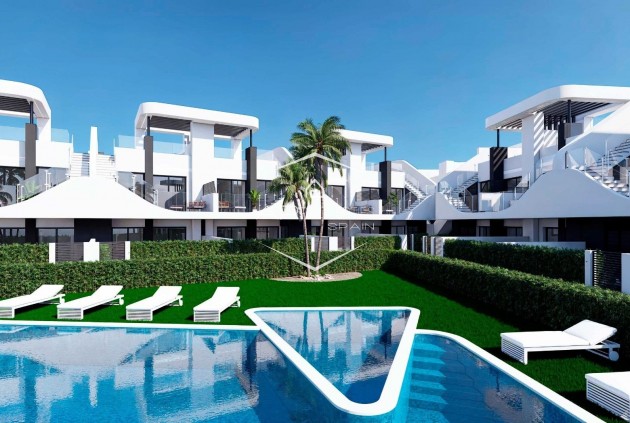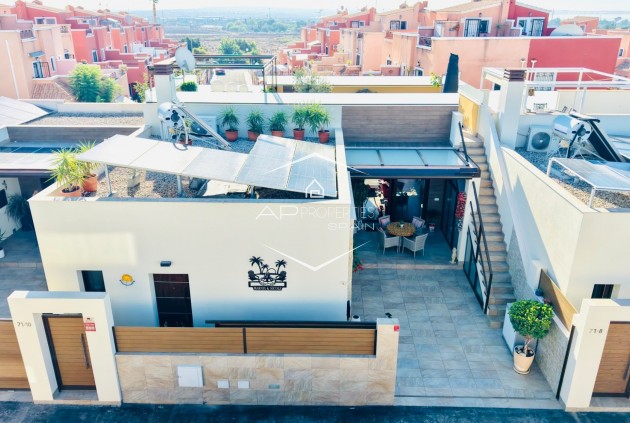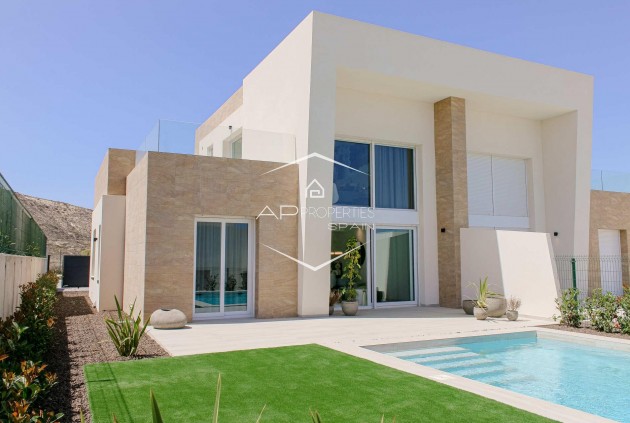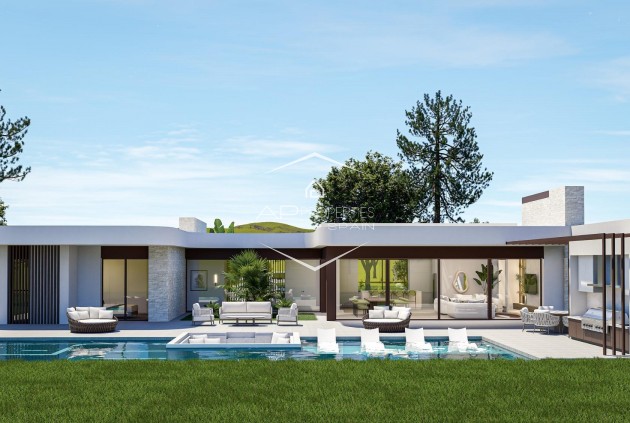






Find Your Perfect Homes from Home: Costa Blanca 2026 Guide
Find Your Perfect Homes from Home: Costa Blanca 2026 Guide
You're probably somewhere between excitement and overload right now. You can already see the terrace, the morning light, the first coffee outside, and the relief of having your own place in Spain. At the same time, you're trying to make decisions that carry real financial and personal weight, often from another country, in another language, and with a market that looks simple on the surface but rarely is.
That's where most second-home buyers get stuck. They search for a property, but what they want is a life that feels easy when they arrive. They don't want a house that photographs well. They want one of those real homes from home that works in January as well as August, feels comfortable within hours of landing, and doesn't create a list of problems every time they lock the door to leave.
On the Costa Blanca, and from our base in La Romana, Alicante, that difference matters. The right property isn't just about square metres, style, or distance to the sea. It's about sunlight at the right time of day, shelter from the wind, practical storage, trusted local support, and a setup that still feels calm when you're managing it remotely.
Crafting Your Spanish Dream Home
Most buyers begin with an image. A white villa, a shaded naya, a pool, maybe a sea glimpse or a full open view. That image is useful, but it isn't enough to choose well.
A successful second home starts with a different question. How do you want to live when you're here? The answer changes everything. A couple who want long winter stays need a different property from a family coming over school holidays. Someone planning quiet months of reading and walking near inland villages won't judge a home the same way as a buyer who wants to entertain guests every other weekend.
Start with routines, not brochures
The best decisions usually come from ordinary details:
- Arrival pattern: Will you arrive late at night and want a turnkey apartment, or do you enjoy the slower rhythm of a villa and garden?
- Length of stay: Weekend use, seasonal use, and semi-permanent use all place different demands on layout, storage, maintenance, and comfort.
- Who uses it: Children, grandchildren, older parents, pets, and visiting friends all affect stairs, bedroom placement, bathrooms, and outdoor safety.
- How much management you want: Some owners enjoy organising local trades. Others want everything prepared before they step off the plane.
When buyers skip this stage, they often purchase for aspiration alone. That's when the terrace is beautiful but too exposed, the guest space is generous but the kitchen is cramped, or the location feels lively in summer and tiring the rest of the year.
Practical rule: Choose for the life you'll actually live in the property, not the life a holiday advert suggests.
What makes a property feel like yours
A home from home has to remove friction. That means practical comfort as much as aesthetics. Good access from the airport matters. So does nearby parking, sensible storage for suitcases and golf clubs, reliable internet, and enough shade to make outdoor living pleasant rather than punishing.
It also helps to think in layers:
| Layer | What to decide early |
|---|---|
| Location | Coast, town, village edge, or inland setting |
| Property type | Apartment, villa, bungalow, townhouse, finca |
| Use | Private retreat, family base, mixed personal and rental use |
| Management | Lock-up-and-leave simplicity or hands-on ownership |
A property can be luxurious and still fail at daily living. I've seen buyers choose dramatic views over convenience, then realise six months later that they rarely use half the home because the flow doesn't suit them. The reverse also happens. A less flashy property, chosen carefully, becomes the one everyone wants to return to because it works well.
That's the standard worth aiming for.
Defining Your Dream Beyond the Sea View
You arrive for a midday viewing in February. The terrace is bright, the water is sparkling, and the first reaction is yes. Then you return in August and find the outside seating too hot to use before sunset, the evening breeze stronger than expected, and the sound from the road carrying farther after dark. That is the difference between buying a view and choosing a home you will enjoy in every season.
On the Costa Blanca, this is often where expensive mistakes begin. Buyers focus on the horizon because it is immediate and emotional. Daily comfort is quieter. It sits in orientation, shelter, privacy, background noise, and how the property behaves when you are living there for three weeks rather than staying for a long weekend.
Research on orientation, wind exposure, and noise patterns in coastal homes found that many buyers prioritise sea views before checking how a property handles sun, prevailing winds, and evening sound, while requests for wind rose assessments have risen sharply in recent years and many listings still understate night-time noise exposure.

The view is only one part of comfort
Micro-climate matters more than many international buyers expect. Two villas can be ten minutes apart and feel completely different in practice. One catches the wind and loses the terrace by late afternoon. The other sits in a more protected pocket and stays usable for most of the year.
I advise clients to test a home as if they already own it. Sit outside in silence. Stand by the pool area for five minutes without talking. Open the bedroom windows. Check where the sun lands at breakfast and where the shade appears at 16:00. A property should support your routine, not ask you to work around its weaknesses.
The right questions are usually practical:
- Where will you sit in July? Full sun looks attractive during a short viewing but often means extra spend on awnings, pergolas, or planting.
- What happens when the wind turns? Some terraces photograph well and remain empty for half the year.
- What do you hear after 22:00? Road noise, restaurants, and wind-driven sound can change the entire feel of a home.
- How does it perform in spring and winter? A second home should feel comfortable beyond peak summer weeks.
How to inspect like a future resident
Treat the viewing as a living test, not a presentation. If the agent only shows the property at its best hour, ask more questions. Good homes hold up outside that narrow window.
A simple comparison helps:
<
tr>
| Feature | Looks good on first viewing | Works well long term |
|---|---|---|
| Terrace | Full sun and open outlook | Balanced sun, privacy, usable shade |
| View | Wide sea panorama | Sea or mountain view, with shelter and quiet |
| Setting | Near seasonal hotspots | Good access without constant disturbance |
| Orientation | Bright at noon | Pleasant across breakfast, afternoon, and evening |
There is always a trade-off. A higher plot may get the stronger view and more wind. A tucked-away position may lose some drama but gain privacy and year-round comfort. Frontline can feel special for short stays. A slightly recessed property often works better for owners who plan to return often, host family, or spend time here outside summer.
The second homes that become genuine homes from home usually share the same strengths. They are easy to inhabit. Light is right for the way you live. Outdoor space is usable, not decorative. The setting feels calm enough to return to, and practical enough to leave in trusted hands when you are away.
Navigating the Purchase Path with Confidence
You find the right property on Monday, fly home on Tuesday, and by Friday the pressure starts. The seller wants a quick reservation. The bank says the mortgage should be fine. The agent sends documents in Spanish. This is the point where good purchases stay on track, and expensive mistakes usually begin.
The buying process in Spain works well when it is handled in order. I advise clients to treat it as a controlled sequence, not a rush to secure keys. That matters even more in an active market. In Alicante, property prices rose by 15.9% in 2025, reaching an average of €2,457 per square metre, while the broader Valencian Community saw an 18% increase, according to Costa Blanca price reporting for 2025. Strong demand makes speed tempting. Proper checks still matter more than speed.

The first documents that matter
For international buyers, the NIE number usually comes first. You need it to buy, to connect utilities, and to deal with tax administration after completion. If you leave it too late, it can slow everything else down.
Your independent lawyer comes next. Choose that lawyer before you sign anything with financial commitment attached. A careful legal review should cover title, outstanding debts or charges, planning status, community rules and costs where relevant, and whether the registered property matches the built reality. On the Costa Blanca, that last point matters more than many overseas buyers expect, especially with villas that have had extensions, terraces enclosed, or storage rooms converted over time.
The notary has a different role. The notary prepares and formalises the public deed. The notary does not carry out due diligence on your behalf or advise you on whether the property suits your long-term plans.
That distinction catches buyers out.
What the sequence usually looks like
The path is straightforward when each stage is handled in the right order:
- Reservation and offer You agree the headline terms and, in many cases, pay a reservation deposit to take the property off the market for a defined period. Before that payment is made, check who holds the funds, on what terms they are refundable, and what paperwork the seller must provide.
- Legal review and finance Your lawyer checks the property and the seller's documentation. If you need a mortgage, this is also the point to move from informal conversations with lenders to a real application with full paperwork. A bank saying your profile looks good is not the same as mortgage approval.
- Arras contract This private contract sets out price, timings, penalties, and the conditions for completion. It is one of the most important documents in the transaction because it allocates risk. If deadlines are unrealistic or clauses are vague, problems start here.
- Completion before notary The deed is signed, the balance is paid, and ownership transfers. Buyers often focus on this as the main event. In practice, it is the outcome of the work done earlier.
- Post-completion administration Registration, taxes, utility changes, direct debits, insurance, and community notifications follow. For a second home, this stage matters because it sets up how easily the property can be used and managed from abroad.
Taxes, mortgages, and timing
Budgeting needs to be clear from the start. Buyers should know early whether the purchase falls under ITP or VAT, because the answer depends on what you are buying and from whom. New-build and resale purchases do not carry the same tax treatment, and that affects the true acquisition cost, not just the headline price.
Mortgage timing also needs realism. Non-resident finance is available, but lenders want clean documentation, proof of income, asset information, and time for valuation. Delays usually come from missing papers, funds that are not easy to trace, or buyers committing to a completion date before the bank has caught up.
I also tell clients to look past the purchase itself. A home from home needs to work after completion, not only on signing day. That means checking practical points during the legal and financial stage, such as who will hold keys, whether the community permits the use you have in mind, how utilities will be billed while you are away, and whether the property is easy to insure if it sits vacant for part of the year. These details rarely stop a sale. They often decide whether ownership feels easy or burdensome six months later.
A few habits make the process safer and calmer:
- Prepare identification early: Keep passport copies, proof of address, source-of-funds documents, and tax paperwork ready in one file.
- Keep communication tight: One clear chain between buyer, lawyer, bank, agent, and seller prevents confusion and missed deadlines.
- Budget for full acquisition costs: Price, taxes, legal fees, notary costs, registration, mortgage expenses where applicable, and early setup costs all need to be counted.
- Question urgent deadlines: A fast completion can be fine. It can also hide unresolved issues.
Handled properly, the Spanish purchase path is orderly and predictable. Trouble usually comes from haste, assumptions, or relying on the wrong person for the wrong job.
Transforming a House into Your Haven
Completion day often ends with a quiet walk through the property. The legal work is finished, the keys are in hand, and the house still feels slightly anonymous. That is the point where many second-home buyers realise the actual project is only beginning. Buying well matters. Living well in the property, across different seasons and from another country, matters just as much.
In Spain, that question comes up often because second-home ownership is part of the market itself. According to CaixaBank Research on second homes in Spain, Spain has 3.7 million second homes, representing 14.6% of the housing stock, 11.7% of households own one for personal use, and Alicante province contains 326,705 second homes. The difference between a property that sits unused for long periods and one that draws you back usually comes down to the decisions made in the first few months.

Start with comfort, not decoration
Owners who furnish every room in one rush often spend heavily and still end up with a home that feels staged rather than lived in. I advise clients to begin with the spaces that affect the first 48 hours of every stay. Sleep well, shower properly, make coffee easily, sit comfortably. Get those right and the property starts working for you straight away.
That usually means focusing in this order:
- Bedroom first: a proper mattress, blackout blinds or shutters where morning light is strong, bedside lighting, and wardrobes that do not force guests to live from a suitcase
- Kitchen second: enough equipment for a normal week, not a holiday brochure photo shoot
- Living area third: seating placed for conversation, reading, and winter evenings, not only to face a television or frame the view
On the Costa Blanca, climate changes these choices. A sea-view apartment in Moraira, an inland villa near Jalón, and a north-facing property in Altea will all live differently. Some homes take the afternoon sun hard. Others stay cooler but feel damp in winter. That affects fabrics, paint, window treatments, outdoor seating, and even where you place wardrobes. Buyers who ignore the micro-climate usually correct it later at greater cost.
Give the home some Spanish logic
The best homes from home do not try to recreate London, Amsterdam, or Stockholm in the middle of Alicante province. They borrow from local materials and daily habits, then add the personal items that make the place recognisable as yours.
A sensible mix usually looks like this:
| Approach | Best for | Watch For |
|---|---|---|
| Furniture packs | Fast setup after completion | Often too generic, and quality varies sharply |
| Local sourcing | Better fit for the climate and regional character | Requires time, measurements, and someone local to receive deliveries |
| Shipping personal items | Familiarity and emotional continuity | Transport costs, customs practicalities, and pieces that do not suit the room or weather |
I usually suggest one or two pieces with personal meaning, then build the rest around how the property will be used. A beautiful dining table is wasted if the terrace is where every meal happens. Oversized indoor sofas often disappoint in bright coastal homes where lighter, breathable materials feel better for nine months of the year.
A second home feels settled when you can arrive late, open one suitcase, and live normally from the first night.
Set the house up for real life
Utilities and setup details decide how the first stay feels. Owners tend to remember the view and the finishes. They remember the weak Wi-Fi, the confusing hot water system, and the missing bedside plugs even more.
Prepare the property to support an unplanned arrival in any month, not just a summer holiday. That standard is higher, and it prevents many of the small frustrations that make a house feel temporary.
Check for these early:
- Internet that has been tested on site, not just ordered
- Climate control you understand, including heating for winter stays and dehumidification where needed
- Lighting in practical places, especially entrances, bathrooms, bedside areas, and outdoor access points
- A stocked basics cupboard, so the first evening does not begin with a supermarket run
- Linen, towels, and storage planned properly, not left as an afterthought
- Clearly labelled keys, remotes, and shut-off points, so anyone using the home knows how it works
This stage is also where trade-offs become clear. Full turnkey furnishing is quicker, but it can flatten the personality out of the property. A slower, more customized approach usually produces a better result, but it needs local oversight and patience. The right choice depends on whether you want immediate use, design individuality, or a careful balance of both.
Once the house supports your habits, suits the local climate, and feels familiar on arrival, it stops behaving like a recent purchase. It starts acting like your place in Spain.
Managing Your Property from Afar
You land in Alicante on a winter evening, drive straight to the house, and expect to settle in within minutes. Instead, the alarm code has changed, the gate sticks from lack of use, there is condensation on one bedroom wall, and nobody has checked the post for three weeks. Remote ownership becomes stressful for one reason. Small preventable issues pile up when nobody is responsible for the whole property.
That is why I advise clients to set up management before they complete, not after the first problem. A second home on the Costa Blanca needs more than occasional help from a neighbour or a cleaner with a spare key. It needs a routine that reflects how the house sits through the year, including humid coastal periods, storms, long gaps between visits, and the practical reality that you may need the property prepared at short notice.
Security is often the first weak point. A guidance on protecting second homes in Costa Blanca reports that 57% of Costa Blanca second-home owners lack safety protocols for squatter prevention, up from 34% in 2022, and that 61% of “smart choice” buyers now target inland properties for more space, better value, and lower crime risk.

A well-managed property looks lived in, checked, and cared for. That matters. Empty homes advertise their own vulnerability, especially if shutters stay closed for weeks, the garden starts to dry out, or exterior lighting stops working.
The most reliable setup usually includes:
- Key holding with written procedures, so one trusted local contact can authorise access and respond quickly
- Scheduled inspections, with checks for leaks, humidity, electrical faults, pest signs, storm damage, and attempted entry
- Visible exterior maintenance, including garden care, pool servicing, terrace cleaning, and working lights
- Remote monitoring, such as alarm alerts, leak sensors, camera coverage where appropriate, and climate notifications
- Arrival preparation, so the house is aired, cleaned, stocked, and functioning before you land
The biggest mistake is fragmented responsibility. One supplier handles the pool, another the garden, another the alarm, and nobody notices that the irrigation has failed behind the guest wing or that a small roof issue is staining a ceiling. A single coordinator, whether a management company or a highly organised local representative, reduces that risk because one person is connecting the details and reporting back clearly.
This is also where location affects ownership more than many buyers expect. Some coastal homes need closer monitoring because of salt exposure, stronger humidity shifts, denser urban settings, or higher seasonal turnover nearby. Certain inland properties are easier to lock up and leave for longer periods, but the trade-off may be longer call-out times for contractors or less immediate access to specialist services. The right choice depends on how often you visit, whether you lend the property to family, and how hands-on you want to be from abroad.
Keep the system simple enough to use. I usually recommend a clear checklist covering inspections, weather response, key control, utility monitoring, supplier contacts, and pre-arrival preparation. If the process relies on favours and memory, it will fail at the least convenient moment.
The Turnkey Finish Renovations and Staging
Some properties are ready from day one. Others need one decisive round of work before they become the right long-term choice. Buyers sometimes hesitate here because they imagine renovation as disruption. In practice, the right improvements often solve the exact issues that stop a second home from feeling complete.
The useful way to judge renovation is simple. Don't ask whether a property is perfect today. Ask whether it can become right with focused, well-managed work.
Improve flow before you add decoration
A home can look attractive and still function badly. Older villas may have enclosed kitchens that disconnect daily life from the terrace. Apartments can have tired bathrooms, weak lighting plans, or storage that doesn't support longer stays. Outdoor spaces may have a pool but nowhere comfortable to eat, cook, or sit in shade.
The strongest turnkey upgrades usually target use rather than appearance alone:
- Kitchen modernisation: Better flow, more storage, easier entertaining
- Bathroom refits: Cleaner lines, simpler maintenance, improved comfort
- Outdoor living areas: Pergolas, outdoor kitchens, dining zones, built-in seating
- Layout adjustments: Opening circulation between kitchen, dining, and terrace
Staging helps owners as much as future guests
People often think of staging only in sales terms. It's more useful than that. Thoughtful staging helps you test how the property should live. It forces decisions about furniture scale, movement through rooms, lighting warmth, and whether each area has a clear purpose.
That matters even more if the property will have mixed use. In 2024, rental prices in Costa Blanca increased by an average of 4.3%, while demand for holiday homes drove a 3.9% rise in overall market activity. Stronger presentation and more practical layouts can support both owner enjoyment and broader appeal.
Think in terms of arrival readiness
A successful turnkey finish means the owner lands in Alicante, opens the front door, and starts living. No waiting for trades. No half-finished list. No temporary furniture that drags on for months.
A useful decision filter is this:
| Upgrade type | Best reason to do it |
|---|---|
| Renovation | Fixes a structural or layout issue that affects daily living |
| Restyling | Improves atmosphere, comfort, and cohesion |
| Staging | Clarifies room purpose and lifts overall feel |
| Outdoor upgrade | Expands the property's real living space |
Good renovation work doesn't just make a property newer. It makes ownership easier.
The best homes from home rarely happen by accident. They come from a chain of smart decisions, made in the right order. Buy for comfort rather than marketing appeal. Set up the house around how you'll live. Protect it properly when you're away. Then finish it so that every arrival feels simple.
If you're looking for a second home in Costa Blanca and want expert help from first shortlist to finished, ready-to-enjoy living, AP Properties Spain offers discreet, end-to-end guidance designed for international buyers. Whether you're searching around La Romana, Alicante, the wider Costa Blanca, or nearby Costa Cálida, their team can help you find, secure, and shape a property that feels like home from the moment you arrive.
Share