





A Guide to Long Term Rentals in Calpe
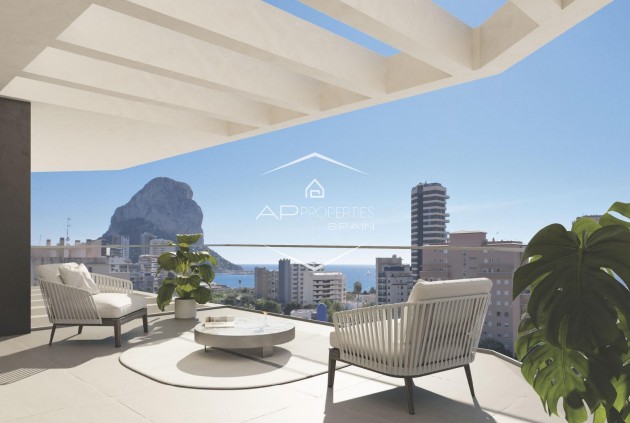
Finding a long-term rental in Calpe is about more than just signing a lease; it’s your ticket to a life bathed in Mediterranean sun, surrounded by incredible natural beauty and a buzzing international community. The rental market here is definitely competitive—expats and retirees have discovered this gem on the Costa Blanca—but landing a home means waking up to views of the iconic Peñón de Ifach rock and settling into a relaxed, year-round holiday lifestyle.
Why Calpe Is Your Ideal Long Term Home

Calpe is far more than just a picture-perfect holiday spot. It's a top-tier destination for anyone looking to plant roots and embrace a richer way of life on Spain's Costa Blanca.
Imagine your day starting not with a frantic commute, but with a quiet stroll along the Arenal-Bol promenade before grabbing a coffee in the charming Old Town. It’s this unique mix of breathtaking scenery and modern convenience that pulls in a diverse crowd of expats, digital nomads, and retirees from all over the world.
This intense demand makes the hunt for long term rentals in Calpe feel a bit like a sport, but the prize is well worth it. The town’s real draw isn't just the landscape; it’s a lifestyle that puts well-being, community, and genuine connection first.
A Thriving and In-Demand Market
The secret’s out: Calpe offers an exceptional quality of life, and that has sent its rental market soaring. Rents have jumped by nearly 16% in just the last year, a figure that leaves the regional average in the dust.
This spike is a direct result of people from all over the globe wanting a piece of its pristine beaches, relaxed vibe, and that majestic Peñón de Ifach. To get the full context, it’s worth exploring the broader Costa Blanca rental market trends.
Think of this guide as your insider's playbook for navigating this fast-moving market, giving you the local know-how to find and lock down your perfect Spanish home.
Calpe's magic is its ability to feel like a timeless coastal village and a modern, well-equipped town all at once. You get excellent healthcare, international schools, and high-speed internet, all in a place that encourages you to slow down and breathe.
More Than Just a Place to Live
Choosing a long term rental in Calpe means you’re not just getting a set of keys; you’re stepping into a lifestyle packed with culture, nature, and a real sense of community. The town has something for everyone:
- Active Outdoor Living: With over 300 days of sunshine a year, life here is lived outdoors. Whether you're hiking the trails of the Peñón de Ifach, cycling the stunning coastal routes, or hitting the water for some sailing, the opportunities are endless.
- Vibrant Local Culture: Calpe holds onto its authentic Spanish soul, especially in the historic Old Town. You’ll find traditional fiestas, bustling weekly markets, and a food scene that’s simply incredible. Enjoy fresh-off-the-boat seafood at the port or discover hidden tapas bars tucked away on cobbled streets.
- A Welcoming International Community: Thanks to a large and established expat population, Calpe is incredibly welcoming to newcomers. This creates a ready-made support network, making it easy to forge friendships, join social clubs, and feel right at home from day one.
Getting to Grips with the Calpe Rental Market
If you want to find a great long term rental in Calpe, you first need to understand what makes the local market tick. Think of it like learning the currents before you set sail—knowing what drives supply and demand gives you a massive advantage. Calpe isn't just another sleepy Spanish town; it’s a premier international destination, and that status shapes everything about its rental scene.
The core dynamic is pretty straightforward: huge demand is constantly clashing with a limited supply of year-round homes. Every year, a new wave of expats, digital nomads, and retirees are drawn to Calpe's incredible lifestyle, creating a deep and competitive pool of people all looking for a place to live. This isn’t a market where you can casually browse for weeks on end. The best properties are often gone in a matter of days.
What really squeezes the market is the town’s booming tourism industry. Many property owners can make far more money from short-term holiday lets in the summer than they can from a standard 12-month lease. This simple economic fact pulls a huge number of apartments and villas out of the long-term market, especially from May to October, making things even tighter for those of us looking for a permanent home.
The High Season vs. Low Season Rhythm
You absolutely have to get in sync with the local seasonal rhythm. The rental market in Calpe basically runs on a two-speed clock, and each season has its own distinct personality.
- High Season (May to September): During these months, the town's focus shifts almost entirely to high-priced holiday rentals. The supply of long-term properties dries up, and landlords are much less likely to sign a year-long contract when they can potentially earn a full year's rent in just a few peak summer months.
- Low Season (October to April): This is your golden window of opportunity. As the tourist crowds head home, landlords who prefer the stability and lower hassle of a year-round tenant start putting their properties on the market. You'll see a real spike in available long term rentals in Calpe during this period, making it the perfect time to begin your search.
Landlord expectations here are shaped by this dual market. They're often looking for tenants who can offer solid financial guarantees because, in their minds, they're giving up the higher (though less reliable) income from holidaymakers. A well-prepared application showing you're financially stable isn't just a nice-to-have; it's essential.
Seeing Things from the Landlord's Point of View
To really stand out from the crowd, you need to put yourself in a Calpe landlord's shoes. They're typically weighing two options: the high-reward, high-hassle world of holiday lets versus the steady, lower-maintenance income from a long-term tenant. Your job is to present yourself as the most attractive, reliable, and hassle-free choice.
At the end of the day, landlords prioritise tenants who are stable and show a clear commitment to looking after the property. They want peace of mind—reassurance that their investment will be respected and the rent will land in their bank account on time, every single month.
This means getting your paperwork in perfect order isn't just helpful—it’s non-negotiable. A complete file with your proof of income, your Spanish NIE number, and glowing references sends a powerful signal that you're a serious, organised applicant. In a competitive market, presenting a professional and complete application is often the single thing that puts you ahead of everyone else vying for that perfect seaside apartment.
Finding Your Perfect Calpe Neighbourhood
Choosing the right place to live in Calpe is about so much more than the four walls of your apartment or villa. It’s about finding a corner of this beautiful town that just clicks with your lifestyle. Each neighbourhood has its own rhythm, its own personality, and picking the right one is like choosing the perfect soundtrack for your new life in Spain—it sets the tone for everything.
Are you picturing yourself waking up to the gentle sound of waves, with the promenade right on your doorstep? Or maybe the idea of getting lost in charming, cobbled streets and finding the best local tapas bars is more your speed. Perhaps you’re dreaming of a quiet villa with a sweeping sea view, offering a real sense of peace. Calpe has all of this and more.
Think of this guide as your local compass, here to point you toward the area that will feel most like home. We’ll go beyond the basic descriptions to give you a genuine feel for what it’s like to actually live in each of Calpe's most popular spots.
First, it helps to understand the big picture. This visual summary breaks down the key drivers of Calpe’s rental market, which affects prices and availability everywhere in town.

As you can see, the constant pressure from high demand and a limited supply of homes is a major factor, made even more intense by the town's booming holiday rental scene.
Playa de la Fossa: The Energetic Beachfront
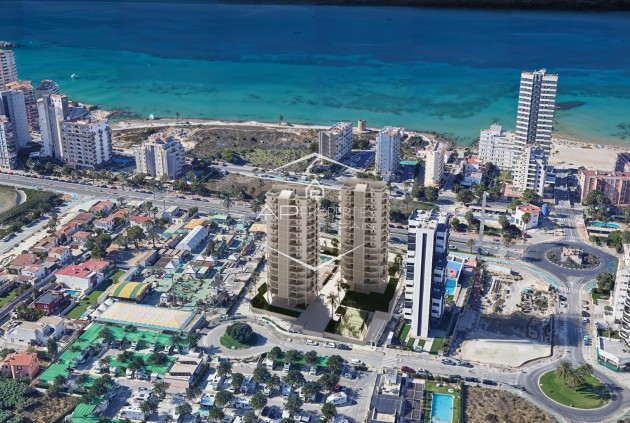
If you want to be right in the thick of it, Playa de la Fossa is your spot. This area buzzes with an infectious energy, especially from spring through to autumn. The long, sandy beach is lined with modern apartment buildings, many with knockout views of the Mediterranean and the iconic Peñón de Ifach.
Living here means you have a seemingly endless choice of restaurants, cafés, and shops just steps away. It’s perfect for active people who love a vibrant social scene and the sheer convenience of having everything within a short walk. The long term rentals in Calpe here are mostly modern apartments, ideal for a "lock-up-and-leave" lifestyle.
The Old Town: Authentic Spanish Charm
For those craving a more traditional, authentic experience, Calpe's Old Town (Casco Antiguo) feels like a world away from the bustling beachfront. Here, you'll wander through charming, narrow streets, past colourful, historic buildings, and feel a real sense of local community.
Life in the Old Town moves at a gentler pace. It’s the kind of place where you get to know the owner of the local bakery by name and can enjoy a glass of wine at a family-run tapas bar just around the corner. Properties are typically renovated townhouses or character-filled apartments, each offering a truly unique living experience. It's a fantastic choice for anyone looking to properly immerse themselves in Spanish culture.
Maryvilla: Tranquil Vistas and Villa Living
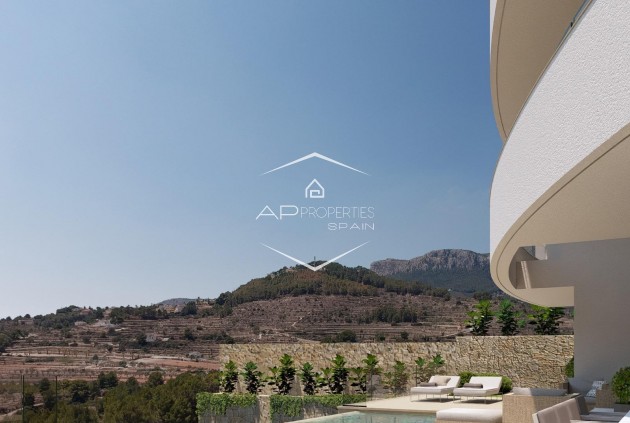
Perched on the hillsides overlooking Calpe, Maryvilla offers a completely different vibe. This residential area is known for its spacious villas, many boasting private pools and absolutely breathtaking panoramic sea views. It provides a sense of peace and privacy that’s hard to come by closer to the town centre.
This neighbourhood is perfect for anyone who puts a premium on space, quiet, and a connection with nature. You'll almost certainly need a car to pop to the shops or the beach, but the trade-off is an unmatched sense of serenity and some of the best views on the entire Costa Blanca.
Finding your perfect neighbourhood is really a process of self-discovery. Ask yourself: what does a perfect day look like for me? Does it start with a swim in the sea, a coffee in a historic plaza, or simply watching the sunrise from my own private terrace? Your answer will point you in the right direction.
To help you weigh up these fantastic options, we've put together a quick comparison table. It gives you an at-a-glance look at what each neighbourhood truly offers.
Calpe Neighbourhoods at a Glance
| Neighbourhood | Best For | Average Monthly Rent (2-Bed) | Key Highlights |
|---|---|---|---|
| Playa de la Fossa | Beach lovers & Socialites | €900 – €1,250 | Energetic, modern, convenient, sea views, bustling promenade |
| The Old Town | Culture enthusiasts | €750 – €1,000 | Authentic, charming, historic, community-focused, walkable |
| Maryvilla | Peace-seekers & Families | €1,100 – €1,800+ | Tranquil, private, spacious villas, stunning panoramic views |
Each of these areas provides a distinct way to experience life in Calpe. Whether you're drawn to the lively coast, the historic heart, or the peaceful hills, your ideal home is waiting.
Navigating Spanish Rental Contracts and Laws
Stepping into the legal side of renting in Spain can feel a bit daunting, but it’s far more straightforward than you might think. The key document you'll be working with is the ‘contrato de arrendamiento’ (rental agreement). Think of this contract not as a hurdle, but as a clear roadmap that lays out the journey for both you and the landlord.
The entire system for long term rentals in Calpe, and right across Spain, is built on a law called the LAU (Ley de Arrendamientos Urbanos), or the Urban Leases Act. This law is your friend—it’s designed to give tenants stability and protection by setting out clear rights and responsibilities that can’t be watered down in an individual contract. Getting to grips with the basics will let you sign on the dotted line with total confidence.
Decoding the Rental Agreement
At its core, a Spanish rental contract is there to protect both sides. It makes everything official: the rent, how long you’ll be staying, and the rules for using the property. While contracts can have small differences, they all have to follow the national rules set by the LAU. Let’s break down the most important bits you’ll come across.
The first big concept to understand is the minimum lease term. Under current Spanish law, long-term rental contracts give tenants the right to stay for a minimum of five years (or seven if the landlord is a company). Even if your contract says it's for just one year, you have the legal right to renew it annually up to that five-year mark. The landlord has to honour these renewals, which gives you fantastic security in your home.
Key Takeaway: The five-year rule is a cornerstone of tenant protection in Spain. It gives you stability and stops landlords from ending your lease early without a very good, legally defined reason.
Understanding the Financials: Deposits and Guarantees
When you’re ready to secure a property, you’ll need to cover some upfront costs, mostly centred around deposits. It’s really important to know what each one is for, as they serve different purposes and are handled differently. It helps to think of them as different types of insurance for the landlord.
The most important one is the ‘fianza’, which is a mandatory one-month security deposit. This isn't just cash you hand over to the landlord. By law, they must lodge this money with a regional government body. This keeps your funds safe with a neutral third party, ready to be returned to you when you move out, as long as the property is in good shape.
Landlords often ask for extra protection, especially from international renters who don't have a Spanish credit history. These are called ‘garantías adicionales’ (additional guarantees).
- Additional Deposit: A landlord can legally request up to two extra months' rent as an additional deposit. This amount they hold onto directly.
- Bank Guarantee (Aval Bancario): This is a formal promise from a Spanish bank to cover your rent if you can't pay. It can be complicated and expensive to set up, so it's less common.
- Rental Default Insurance: Some landlords take out insurance against non-payment and will ask you to prove you qualify for it as a condition for renting the property.
Your Rights and Responsibilities as a Tenant
Once you’ve moved into your new Calpe home, you have a clear set of rights and obligations defined by the LAU. Knowing where you stand helps prevent any misunderstandings and keeps things positive with your landlord.
One of the most common questions is about repairs. The rule of thumb is simple: the landlord is responsible for major repairs needed to keep the property liveable (like a broken boiler or a leaking roof). As the tenant, you’re responsible for small fixes from everyday wear and tear (like changing a lightbulb) and for any damage caused by you or your guests.
Finally, ending your lease correctly is vital. After the first six months, you can leave the property by giving your landlord 30 days' written notice. But be careful—your contract might have a penalty clause if you leave before the first full year is up. Always read that section carefully before you sign.
A Winning Strategy for Your Rental Search
Finding the perfect long-term rental in a hot market like Calpe isn’t just about luck. It’s about having a smart, organised plan. Think of it less like a casual browse and more like a well-executed campaign. If you get your strategy and documents sorted out ahead of time, you can pounce when you find the right home, putting you miles ahead of the competition.
This is your playbook for securing one of the most sought-after long term rentals in Calpe. We'll cover where to look, what you absolutely must have ready, and how to present yourself as the kind of tenant landlords are hoping to find.
Where to Focus Your Search Efforts
Your hunt for the perfect home will likely take you down a few key avenues, and each has its own quirks. The best approach is to combine them all—it gives you the broadest view of what's out there and seriously boosts your chances of uncovering a hidden gem.
- Online Property Portals: Websites like Idealista and Fotocasa are the big players in Spain, no question. They have massive lists of properties, but things move at lightning speed. Your best bet is to set up alerts for your exact criteria. That way, you get a notification the second a matching property goes live.
- Local Real Estate Agencies: This is where you get a real edge. Teaming up with a specialist local agency means you often hear about properties before they even hit the big websites. These agents live and breathe Calpe; they know the neighbourhoods, the buildings, and the local market inside and out. They become your advocate, handling the Spanish-language negotiations and making sure every legal detail is buttoned up.
- Community and Social Media Groups: Don't overlook expat forums and Calpe-specific Facebook groups. You can sometimes find private listings straight from landlords, which might save you on agency fees. It’s a more informal route, but be careful. Always insist on a proper, legally sound rental contract to protect yourself.
The most effective strategy is a mix of all three. Use the big portals to get a feel for the market and for those instant alerts, but really invest in building a relationship with a trusted local agency like AP Properties Spain. That's how you get access to the best listings and expert guidance.
Preparing Your Essential Documents
In a fast-moving market like Calpe's, being ready is your superpower. Landlords and agents will always lean towards applicants who have all their paperwork in order from the get-go. Turning up with a complete file shows you're serious, organised, and financially solid.
Before you even book your first viewing, get these documents together:
- NIE (Número de Identificación de Extranjero): This is your foreigner's identification number in Spain, and it is 100% non-negotiable. You simply cannot sign a legal rental contract without one.
- Proof of Solvency: Landlords need to know you can reliably pay the rent each month. This can be shown with:
- A permanent work contract (contrato de trabajo indefinido)
- Your last few payslips (últimas nóminas)
- Your most recent tax return
- A formal letter from your employer confirming your role and salary
- Spanish Bank Account: Absolutely essential. This is how you'll set up direct debits for your rent and utilities.
- References: A positive letter from a previous landlord is a powerful tool. It’s solid proof that you're a responsible and respectful tenant.
Crafting a Standout Application
When you find a place you love, the goal is to make your application the obvious choice. Treat it like your "rental CV"—it needs to look professional, be complete, and tell a compelling story.
You want to paint a clear picture of yourself as a stable and reliable tenant. It might sound small, but a short, polite cover letter can make a huge difference. Just introduce yourself, briefly explain why you're moving to Calpe, and state that you're looking for a long-term home. It adds a personal touch that agents and landlords really appreciate.
Make sure all your documents are scanned clearly and compiled into a single, organised file before you send them off. This tiny bit of effort shows professionalism and makes the agent's life easier. In a market where decisions are made in a heartbeat, a polished, complete application is often the very thing that secures you your dream home.
Your Smooth Move to Calpe

You’ve signed the lease and the keys are finally in your hand. Congratulations! Now for the final leg of the journey: moving in. This isn’t just about unpacking boxes; it’s about formally taking possession of your new home and making sure everything is documented properly.
Think of this as the final handshake of your rental agreement. A methodical approach here protects your deposit and sets you up for a completely stress-free tenancy from day one.
The Crucial First Steps
Before you even think about where the sofa goes, there are a few key tasks that will lay the groundwork for a smooth rental experience. These steps are standard practice for long-term rentals in Calpe and are absolutely essential for safeguarding your interests.
The very first thing you should do, ideally with your landlord or agent present, is a detailed property inventory. In Spain, this is known as an ‘inventario’. This is far more than a simple list of furniture; it’s a comprehensive record of the property's condition right at the start of your tenancy.
The 'inventario' is your most important piece of evidence when you eventually move out. A detailed, photo-supported inventory agreed upon at the start prevents nearly all potential disputes over the security deposit later on.
During this walk-through, be meticulous. Note down every single scratch, scuff mark, or pre-existing issue, no matter how minor it seems. Your future self will thank you for it.
- Take timestamped photos and videos of every room, paying close attention to any existing damage.
- Test all the appliances—the oven, washing machine, air conditioning—to confirm they’re in good working order.
- Check all fixtures, from taps and light fittings to window locks and shutters.
This documentation, once signed by both you and the landlord, becomes an official part of your lease. It's your undisputed proof of the property’s initial state.
Handling Utilities and Settling In
With the inventory signed off, your next job is to get the utilities transferred into your name. In Spain, tenants are almost always responsible for their own electricity (luz) and water (agua). Your landlord or agent will give you the details of the current suppliers.
To make the switch, you'll need your NIE and your Spanish bank account details. It's also a very good idea to take meter readings on your first day. Snap a photo and send it to the landlord to ensure you’re only billed for what you actually use. This simple act prevents any mix-ups over bills from previous tenants.
Finally, take a moment to familiarise yourself with the community rules ('normas de la comunidad'). These often cover things like pool hours, noise levels, and rubbish disposal. Understanding these small details from the start helps you integrate smoothly into your new building and neighbourhood.
By handling these logistics efficiently, you can quickly move past the admin and get on with the best part: enjoying your new life in Calpe.
Of course. Here is the rewritten section, crafted to match the human, expert tone of the provided examples.
Common Questions About Renting in Calpe
When you're navigating the rental market in a new country, it's natural to have a few questions. To make sure you feel completely prepared, we've put together clear, straightforward answers to the queries we hear most often from people looking for long term rentals in Calpe.
Think of this as your quick guide to handling the practical side of things with confidence. We'll cover the essentials, from paperwork to upfront payments, so you can move forward without any nagging doubts.
Do I Really Need an NIE and a Spanish Bank Account?
Yes, absolutely. For nearly every landlord and agency in Spain, these two things are non-negotiable. Your Número de Identificación de Extranjero (NIE) is your official tax ID number, and you legally cannot sign a rental contract without one.
A Spanish bank account is just as crucial for paying your rent and sorting out utilities like electricity and water. Our best advice? Start the NIE application process as early as you can—it’s the key that unlocks almost every official transaction here.
Are Landlords in Calpe Pet-Friendly?
It’s a bit of a mixed bag. Spain is generally a nation of animal lovers, but the final say always comes down to the individual property owner. You’ll often find that landlords with newly renovated or fully furnished apartments are a bit more hesitant to allow pets.
The best approach is to be completely transparent from your very first message. Being upfront about your furry family members saves everyone a lot of time. This is where a good local agent really shines; they’ll know which listings are pet-friendly from the start and can help you handle any special contract clauses or requests for an extra deposit.
It's wise to budget for a significant initial payment. A common amount to have ready is the equivalent of three months' rent, which typically covers your first month, the legal deposit, and agency fees.
What Are the Typical Upfront Costs?
When you find the right place, be ready for a substantial initial payment. It usually breaks down into three key parts:
- First Month's Rent: Paid in advance directly to the landlord.
- Security Deposit ('Fianza'): This is a one-month deposit that, by law, must be lodged with a regional government body.
- Agency Fee: This is typically one month's rent plus VAT (21%), paid to the agency for their services in finding and securing the property for you.
For tenants without a local work history, some landlords might also request an additional guarantee ('garantía adicional'), which could be another one or two months' rent.
Who Is Responsible for Community Fees and Bills?
As the tenant, you'll almost always be responsible for paying for utilities based on your usage. This means electricity, water, gas, and internet are on you. The landlord, on the other hand, usually covers the property tax (known as IBI) and the community fees ('gastos de comunidad').
That said, it is absolutely vital to double-check your contract before you sign anything. Make sure every financial responsibility is clearly laid out in writing to prevent any surprises or misunderstandings down the line.
Navigating the Calpe rental market is so much easier when you have an expert by your side. At AP Properties Spain, we offer personalised help to find and secure your perfect long-term rental, ensuring the whole process is smooth and transparent. Explore our services and discover your ideal Calpe home today.
Share