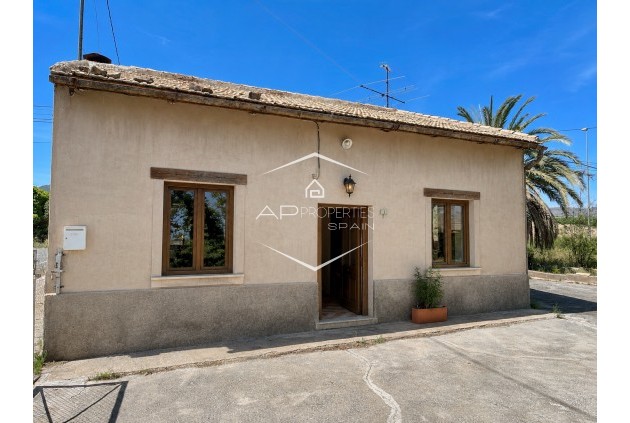






Villa For Sale La Romana, Alicante: Your 2026 Guide
You’re probably doing what most international buyers do at the start. Saving listings, comparing photos, wondering whether inland Alicante gives you better value than the coast, and trying to work out whether a villa for sale la romana, alicante is a smart move or a romantic distraction.
In practice, La Romana is often where those two things meet. It gives buyers the slower rhythm, open views and village feel they came to Spain for, without forcing them into the inflated pricing and year-round bustle that can come with the better-known coastal addresses. The right purchase here isn’t only about square metres or finishes. It’s about buying into a way of living that still feels Spanish, grounded and manageable.
Discovering Your Dream Villa in La Romana
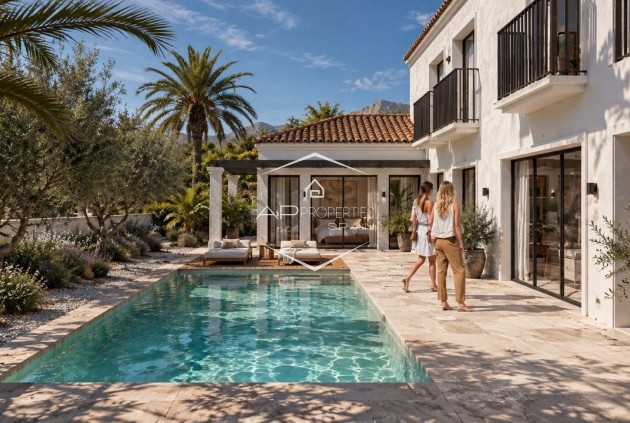
A search for a villa in Spain usually starts with a mental picture. White walls. Terracotta tones. A shaded terrace. Enough land to breathe, but not so much that the property becomes a burden. In La Romana, that picture tends to become more realistic very quickly because the area still feels lived in, not staged for tourism.

Why La Romana draws serious buyers
La Romana sits inland in Alicante province, in the Valencian Community. That matters. You’re not buying into a resort strip. You’re buying into an established village setting with vineyards, countryside, and a daily pace that appeals to buyers who want authenticity rather than passing novelty.
That inland position changes the decision in useful ways:
- You get space more naturally. Buyers who want a detached villa, countryside views or room for outdoor living often find inland options easier to align with their priorities.
- The environment feels calmer. There’s less noise, less seasonal churn and less pressure to compromise to secure a coastal postcode.
- The lifestyle is more rooted. Shops, cafés, local routines and village life are part of the attraction, not background decoration.
Buyers often arrive looking for a house and end up choosing a setting. In La Romana, the setting is usually the deciding factor.
What the dream looks like in real life
A good villa for sale la romana, alicante doesn’t promise fantasy. It offers a practical Mediterranean life. Morning coffee outdoors. A market run that feels local rather than curated for visitors. Evenings that are quiet enough to hear the countryside. Easy drives to larger centres when you need services, shopping or a change of pace.
That’s also why first-time buyers need more than listings. They need context. A polished online advert won’t tell you whether a property’s orientation works well in summer, whether the approach road suits regular use, or whether a finca’s charm will turn into a renovation project you didn’t plan for.
The first question worth asking
Before discussing bedrooms, pools or finishes, ask this: do you want a house near the Costa Blanca, or do you want a life in Spain that still feels personal? La Romana tends to suit the second buyer.
The La Romana Property Market at a Glance
A buyer flies in expecting to compromise somewhere. Usually on plot size, privacy, or budget. In La Romana, the first surprise is that those trade-offs are often less severe than they would be in the better-known coastal markets.
Current La Romana property listings on thinkSPAIN show 307 houses and apartments for sale, an average sale price of €345,000, and an average price per square metre of approximately €1,867. The same listing data also notes that asking prices in La Romana are often 40-50% below premium coastal villas.
That does not mean every property is good value. It means buyers can enter the market with more room to choose carefully.
What those figures mean in practice
First, there is enough stock to compare properly. That matters, especially for international buyers who may only have a few viewing days and need to sort genuine opportunities from attractive photography.
Second, La Romana sits in a pricing bracket where lifestyle and financial discipline can still work together. Buyers are not paying a heavy premium to be attached to a coastal postcode. In practical terms, the same budget often stretches to a larger plot, a better outdoor layout, or a villa with fewer immediate compromises.
I often advise clients to treat inland value with some discipline. Lower headline pricing can tempt buyers into properties that look impressive on paper but are harder to own well. A large plot may sound appealing until you price irrigation, pool maintenance, boundary work, and regular upkeep from abroad.
Where smart buyers stay focused
The better question is not, "How much house can I buy?" It is, "Which property will serve the way I plan to live?"
| Priority | What usually works in La Romana | What often doesn't |
|---|---|---|
| Holiday use | A manageable villa with straightforward access and limited maintenance | A very remote house with ongoing supervision needs |
| Full-time living | Good orientation, year-round comfort, and sensible access to services | A property chosen mainly for views, with weak day-to-day practicality |
| Resale strength | Broad buyer appeal, sensible running costs, and a clear layout | A highly personalised property with expensive quirks |
Local guidance is essential. AP Properties Spain helps buyers look past asking prices and assess the points that affect ownership after completion, such as access, orientation, maintenance load, and resale position.
Why this market appeals to international buyers
La Romana tends to attract buyers who want space and calm, but still want to stay within reach of Alicante, the airport, and the coast. That buyer profile is important. It supports a market shaped by liveability rather than short-term hype.
For a first purchase in Spain, that usually creates a better margin for decision-making. There is choice, pricing is more grounded, and the lifestyle case is strong enough to support the investment.
Typical Villa Styles and Investment Levels
A buyer lands in La Romana expecting to choose on looks alone. By the second day of viewings, the decision is usually about lifestyle fit, running costs, and how much work they want after completion. That is the point at which villa styles start to matter in a practical way.
La Romana offers enough variety to suit very different briefs. Current La Romana villa listings on Kyero show a broad pool of resale and country properties, with a smaller top end of new-build stock. In that same market view, high-end new-builds start from €343,741, according to Kyero listings. Kyero also notes a 15-20% year-on-year price appreciation trend in inland Alicante new-builds from 2023-2026.
For international buyers, I usually frame the choice in three groups. Each one solves a different problem.
| Villa Type | Description | Typical Price Range |
|---|---|---|
| Traditional country finca | Older character property, often with land, mature planting and a more rustic layout | Varies by condition and setting |
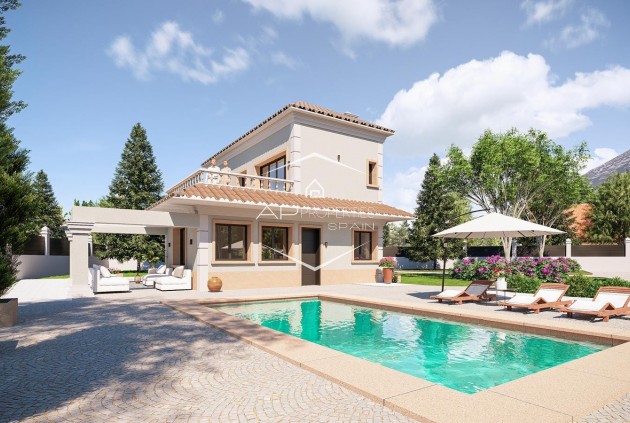
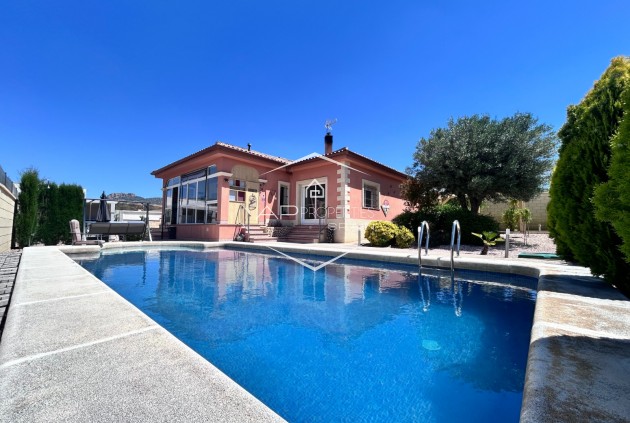
| Modern resale villa | More contemporary home with established garden, existing pool and immediate usability | Varies by specification and location |
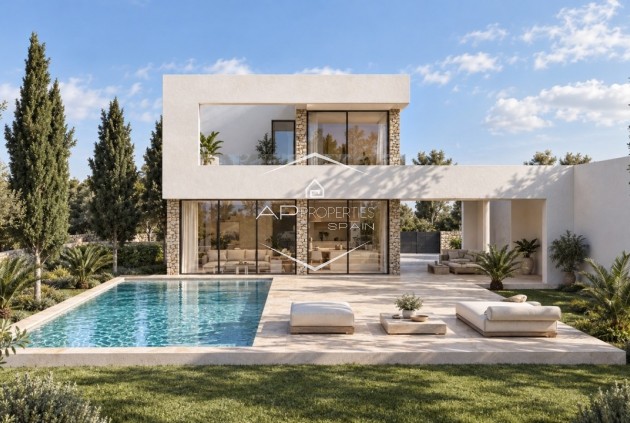
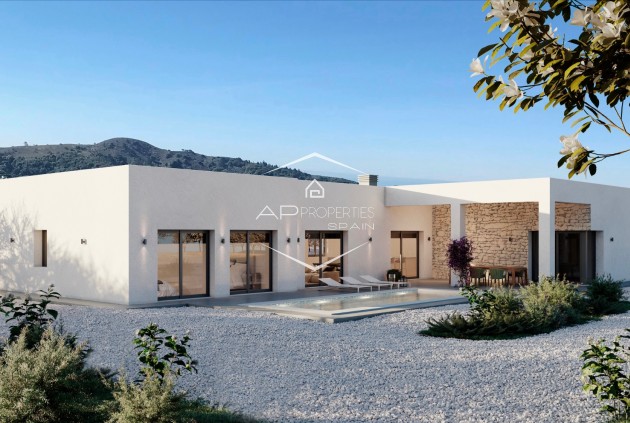
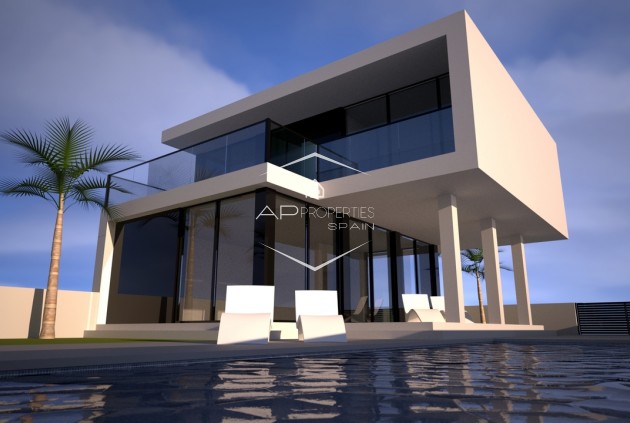
| New-build luxury villa | Clean lines, modern systems, efficient layouts and minimal initial work | From €343,741 |
Traditional country fincas
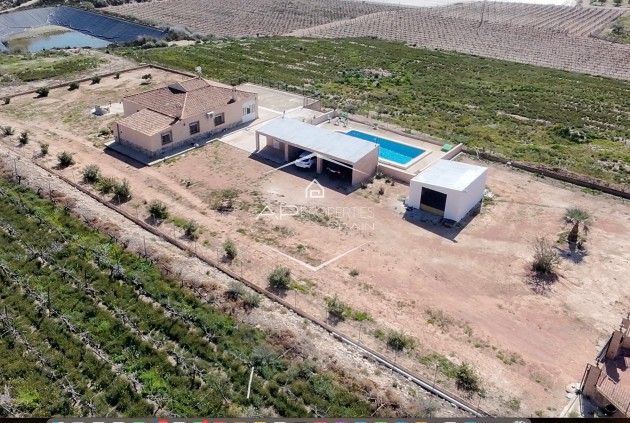
These properties attract buyers who want atmosphere and a stronger connection to the land. In La Romana, that often means generous plots, older planting, shaded terraces, and layouts shaped by how houses were lived in decades ago rather than by modern open-plan expectations.
That charm has a cost. Finicas can involve uneven room flow, lower insulation standards, dated electrics, and outdoor areas that need ongoing attention. The upside is character and individuality. The trade-off is that ownership tends to be more hands-on, especially for buyers who are not in Spain year-round.
Modern resale villas
This is often the most commercially sensible segment. You are buying a house with a track record. You can assess the garden, the boundaries, the approach road, the pool area, and the way the home sits on the plot.
That visibility reduces risk.
A good resale villa in La Romana often gives buyers the best balance between immediate use and future improvement. Cosmetic updates, energy upgrades, outdoor kitchens, or better landscaping can add value without turning the purchase into a full project. AP Properties Spain regularly helps buyers spot which resales are well positioned and which only photograph well.
New-build villas
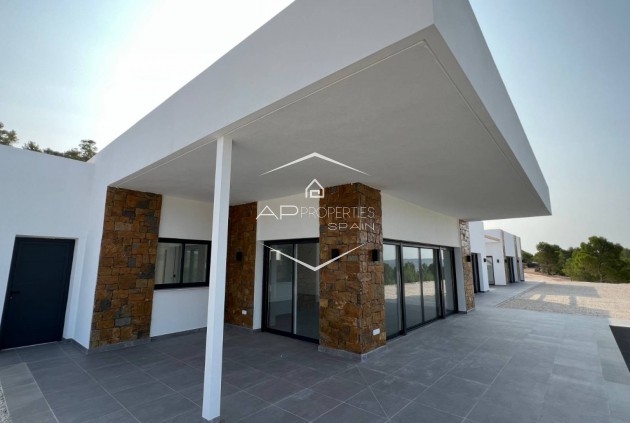
New-builds suit buyers who want clarity from day one. Layouts are usually more efficient, finishes are current, and maintenance in the early years is lighter. For overseas clients, that simplicity has real value.
The strongest purchases in this category are not always the most dramatic ones. Orientation, privacy, sensible outdoor living space, and year-round comfort matter more than fashionable design touches that age quickly. In an inland market like La Romana, a well-planned new-build can also hold broader resale appeal because it meets the expectations of both lifestyle buyers and investors looking for easy ownership.
Choosing the right segment
To choose the right segment, ask more specific questions than "Which villa do I like most?"
- How much post-completion work are you prepared to manage?
- Will the property be used for holidays, long stays, or full-time living?
- Do you want character that may require adaptation, or convenience that works immediately?
- Is your priority stable enjoyment, capital growth, or a mix of both?
Buyers usually make better decisions once they match the property type to the way they will use it. In La Romana, that approach nearly always leads to a stronger purchase than choosing on style alone.
Embracing the Inland Costa Blanca Lifestyle
La Romana works best for buyers who want their days to feel anchored. That’s its primary appeal. Not spectacle. Rhythm.
The village and its surroundings offer a version of Costa Blanca life that feels more settled than seasonal. You notice it in the way mornings begin more peacefully, in the ease of local errands, and in how countryside, vineyards and village life sit naturally together instead of competing for attention.

Daily life that feels sustainable
For many international buyers, inland living answers a problem they only discover after visiting busier coastal zones. Holiday energy is enjoyable in short bursts, but it doesn’t always translate into the kind of environment people want for regular life.
La Romana tends to suit buyers who value:
- A real community rather than an area designed mainly for turnover
- Local food culture shaped by countryside produce, vineyards and regional habits
- Space to host well without feeling packed into a dense urban setting
- A calmer social rhythm that still leaves room for beaches, golf, restaurants and city access when wanted
The balance that matters
The inland setting doesn’t mean isolation. It means separation from noise. That distinction is important. Buyers can enjoy the village atmosphere and still plan beach days, airport transfers, wider shopping trips or golf outings without feeling cut off from the rest of the Costa Blanca.
That balance often becomes more valuable after purchase than before it. People think they’re buying views and sunshine. In reality, they stay because the area is comfortable to live in week after week.
A good inland purchase should feel peaceful on an ordinary Tuesday, not only impressive on a viewing day.
Who usually feels at home here
La Romana often suits three kinds of buyer especially well:
- Relocators who want Spain to feel like a home base, not a holiday set.
- Second-home owners who want privacy, outdoor living and a stronger sense of place.
- Lifestyle investors who understand that enjoyment and long-term appeal can sit together.
The village won’t suit everyone. Buyers who want to step out directly into a marina setting or a dense international social scene may feel more comfortable elsewhere. But for clients who want authenticity with access, La Romana is often the place where the search starts to make practical sense.
A Step-by-Step Guide to Buying Your Villa
You view a villa in La Romana at 11am, love the terrace by noon, and by evening you are already picturing family lunches under the pergola. That is the moment discipline matters most. In Spanish property, good outcomes usually come from getting the order right. Expensive mistakes usually come from rushing a decision before the legal and practical checks are fully clear.

For international buyers, La Romana is often a straightforward market to buy in, but it is not a market to treat casually. Inland villas can involve larger plots, older boundaries, outbuildings, pools, water deposits, or past alterations that need proper verification. None of that should put a buyer off. It means each stage needs to be handled in the right sequence.
Start with budget and buying criteria
Set two budgets, not one. The first is your purchase price. The second is your all-in budget, including taxes, legal fees, notary costs, registration, bank charges, insurance, furnishing, and any immediate works after completion.
Then define what the property has to do for you in real life. A villa for full-time living should be assessed differently from a lock-up-and-leave holiday home. Buyers often begin with broad preferences, then realise that road access, sun orientation, pool exposure, and day-to-day maintenance matter more than a dramatic first impression.
A practical starting framework looks like this:
- Property use. Full-time living, part-time use, or investment-led ownership.
- Property type. Finca, resale villa, new-build, or plot.
- Must-have features. Access, layout, privacy, pool, walkability, orientation, land size.
- Deal-breakers. Too remote, too much work, poor road approach, or an awkward internal layout.
That clarity saves time and protects judgment.
Viewings and offer stage
A good viewing in La Romana should test how the house works, not just how it photographs. Check the approach road, parking, boundary definition, neighbouring plots, water and electricity arrangements, storage, and how much garden and pool upkeep the property will require. A large plot can feel appealing on a first visit. It can also become a burden if the owner only plans to use the villa for a few weeks at a time.
Ask direct questions. Has anything been extended or enclosed? Who maintains the pool and land? How far is the nearest daily shopping? Is the outdoor kitchen or guest casita included in the title and sale details?
When the right property appears, the offer should reflect three things. Condition, legal confidence, and current market position. Price matters, but certainty matters too, especially in a market where the best inland homes can attract committed cash buyers.
Make an offer on a villa you understand clearly, not one you still need explained to you.
Legal checks before commitment
This is the stage that protects the purchase.
An independent local lawyer should confirm ownership, title status, debts or charges, planning position, cadastral details, and whether the villa matches the legal description being sold. That review is especially important in inland areas, where a property may include additions made over time such as covered terraces, summer kitchens, garages, pool houses, or perimeter walls.
Finance also needs to be lined up early. If you are using a mortgage, the bank timeline and the legal timeline need to move together. If they do not, buyers can find themselves under contract pressure before the funding is fully ready.
NIE and Spanish bank account
International buyers need an NIE, the foreigner identification number used for property purchases and tax matters in Spain. A Spanish bank account is also normally required for the purchase itself and for ongoing payments such as utilities, local taxes, and community charges if they apply.
Handled early, this is routine.
Left until the contract deadline, it becomes an avoidable source of stress.
Reservation and private contract
Once the seller accepts the offer and the early checks are satisfactory, the transaction usually moves to a reservation agreement and then a private purchase contract. The wording matters. The deposit terms, completion date, included items, legal description, and any conditions attached to the sale all need to match what has been agreed.
In this context, experienced coordination makes a visible difference. International buyers are often dealing with translation issues, unfamiliar contract structure, and different expectations around timing. A clear paper trail prevents confusion later.
A well-prepared file at this stage should include:
- Identity documents in the correct form
- Proof of funds or mortgage readiness
- Accurate property description matching the agreed sale
- Completion timetable confirmed by all parties
- Lawyer review before any signature or deposit release
Completion at the notary
Completion takes place when the Escritura Pública is signed before a notary and the balance of funds is paid. That formalises the transfer in the Spanish system.
International buyers sometimes assume the notary is there to check everything on their behalf. That is not the notary's role. The notary records and formalises the act of sale. Your lawyer checks that the transaction is safe before you get to that table.
After completion
Collecting the keys is only part of the handover. Ownership also means post-completion registration, tax processing, utility transfers, insurance setup, and making sure the practical side of the property is ready for use. For overseas owners, this stage often decides whether the first year of ownership feels well managed or unnecessarily complicated.
In La Romana, that matters more than many buyers expect. A villa here is rarely just a transaction. It is a base for longer stays, family use, future retirement planning, or a more permanent move into inland Costa Blanca life. Buying well means making sure the property works legally, financially, and day to day from the start.
Renovation Potential and Turn-Key Solutions
A La Romana viewing often ends with a practical question. Do you want to start enjoying the house this season, or are you prepared to spend the first year making it your own?
That decision shapes budget, timeline and stress level more than many international buyers expect. In this part of inland Alicante, older villas and fincas can offer better plots, mature landscaping and more character. Newer turn-key homes usually offer cleaner paperwork, lower early maintenance risk and a faster route to occupancy. A custom build can deliver exactly the right layout, but it demands patience and disciplined project control.
Renovation versus ready-to-use
Older properties usually reward buyers who can see past presentation. A dated kitchen, tired bathrooms or poor exterior finishes may be fixable. Drainage, access, structural movement, septic systems and power supply need a much colder assessment. In La Romana, I advise clients to separate cosmetic work from infrastructure work immediately. One is a design exercise. The other can change the economics of the purchase.
A turn-key villa gives a different kind of value. You pay for convenience, specification and immediate use. For overseas buyers who want a reliable base for holidays, remote work or a staged move to Spain, that premium is often justified.
Here is the practical comparison:
| Route | Usually suits | Main caution |
|---|---|---|
| Renovation | Buyers who want character and can manage a project | Hidden works can widen the budget and delay use |
| Turn-key | Buyers who want immediate occupation and fewer early decisions | the asking price often includes a convenience premium |
| Custom build | Buyers with clear design priorities and time to manage the process | Plot status, permissions and build delivery need close checking |
The custom build option
Land can be attractive in La Romana, especially for buyers who want privacy, a specific layout or a long-term lifestyle base rather than a standard resale product. The legal position has to be checked first. Building on rustic land requires a minimum plot of 10,000 m2.
Those figures are not a promise of outcome. They are a reminder that land purchases in this area live or die on details. Water connection, electricity, road access, topography, planning status and realistic build costs all need checking before the land has any real value to you as a buyer.
AP Properties Spain helps international clients test those points early, before a plot starts to look more straightforward on paper than it will be in practice.
Buying land can work well in La Romana. It works best when the legal position, build brief and resale logic are clear from the start.
Which route works best
For a first purchase in Spain, a good resale villa or a properly specified turn-key property is usually the lower-risk route. It lets buyers settle into the area, understand how they use the home, and make future upgrades from a position of experience.
Renovation and custom build still make sense for the right buyer. They require more tolerance for delay, more decision-making, and closer supervision on the ground. In La Romana, the best choice is rarely the most ambitious one. It is the one that fits how you plan to live.
Finding and Securing Your Property with Expert Help
A successful purchase in La Romana usually comes down to judgement in small moments. Which villa is charming but impractical. Which one is priced fairly but presented poorly. Which one needs negotiation, and which one needs speed.
That’s why viewings should be methodical. In older properties, check whether the atmosphere you love is supported by a layout you can live with. In newer villas, look past styling and examine orientation, privacy, outdoor usability and the relationship between indoor and outdoor space.
What to focus on during viewings
- Access and setting. A villa can feel idyllic until you realise the road, approach or location doesn’t suit regular use.
- Plot usability. Land sounds attractive, but awkward gradients or fragmented outdoor areas can limit enjoyment.
- House flow. A home that photographs well may still live badly.
- Future appeal. Even if you’re buying for yourself, think about resale logic from the start.
Why experienced guidance matters
International buyers usually don’t struggle because they lack enthusiasm. They struggle because Spanish transactions involve local nuance, legal sequencing and practical realities that aren’t obvious from abroad.
The right adviser helps you filter stock, test assumptions, coordinate specialists and keep the deal moving without cutting corners. That matters in La Romana because many purchases are lifestyle-led. Buyers can get attached quickly. Good guidance keeps the process calm and evidence-based.
If you’re serious about finding the right villa for sale la romana, alicante, start with a clear brief and local representation that can protect your time as well as your money.
If you're ready to move from browsing to buying, speak with AP Properties Spain for a personalised consultation on villas, fincas, plots and turn-key opportunities in La Romana, Alicante. A well-managed purchase starts with the right shortlist, the right due diligence and the right local guidance.
Share